
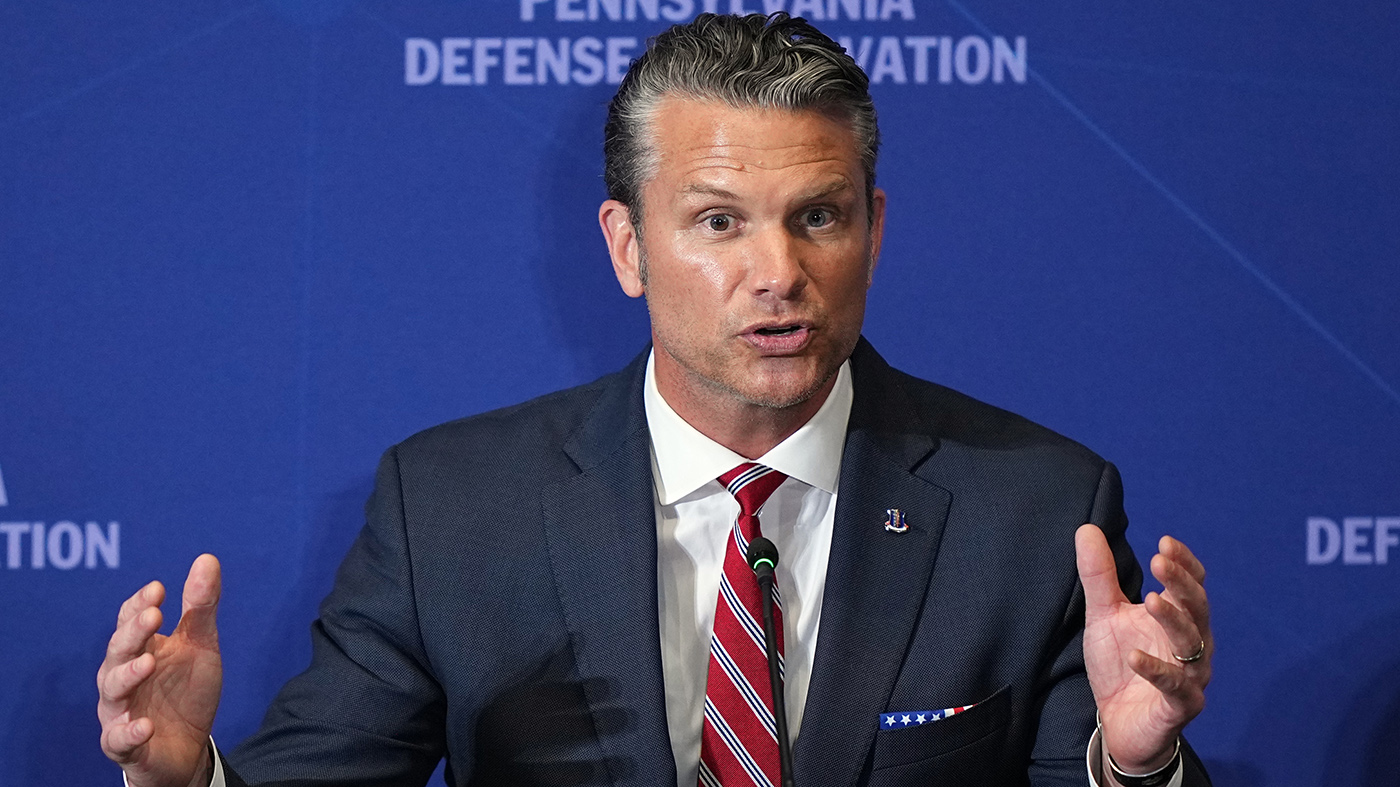
Defense Secretary Pete Hegseth addressed the Pennsylvania Defense and Innovation Summit on July 15, 2026, at the United States Army War College. In a recent legal development, a panel of three federal judges affirmed the Pentagon’s policy that requires journalists to have government escorts within the building. This decision overrules a prior ruling by a lower court judge.
In their Thursday evening order, two judges from the U.S. Court of Appeals for the D.C. Circuit argued that the Department of Defense is likely to prove that the escort requirement does not constitute illegal retaliation under the First Amendment. The ruling negatively impacts a lawsuit filed by The New York Times, which claimed that the policy undermines press freedom.
The policy emerged after The Times convinced a judge to block stringent credentialing rules for defense reporters in March. The appeal on that ruling continues. According to the complaint, the escort policy limits journalistic freedom by preventing spontaneous interactions with Pentagon personnel.
Pentagon officials argue the changes are essential for preventing classified information leaks and safeguarding national security. The panel’s decision reverses a June ruling by District Court Judge Paul L. Friedman, who had halted the escort requirement, deeming it a misinterpretation of the First Amendment.
The New York Times expressed disappointment with the decision but appreciated the swift appeal process, anticipating further litigation on the issue’s merits. This development is the latest in ongoing tensions between Pentagon authorities and journalists during the second Trump administration.
Traditionally, reporters could access public areas of the Pentagon for briefings and interviews. Last October, many journalists surrendered their press passes and refused to comply with a new policy. This policy required pledges not to seek unauthorized material—even if unclassified—under the threat of credential revocation.