
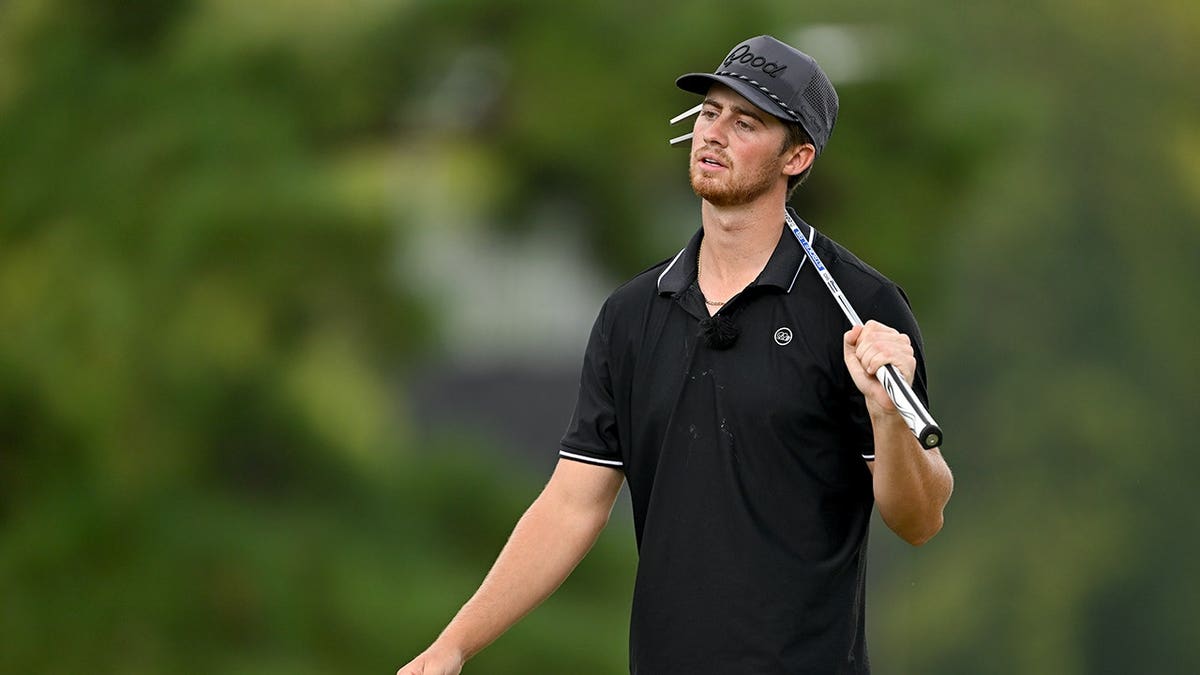
In recent days, the YouTube channel Good Good Golf has faced substantial backlash due to its involvement in a controversial advertisement made to promote Callaway’s new driver. Once viewed as a major brand among young golf enthusiasts, Good Good’s image has been tarnished by an ad intended to parody the movie “Obsession.” It depicted Garrett Clark, a prominent figure in the channel, shoving a woman, Alexis Miestowski, to the ground with the words “do not touch my new driver.” The ad faced immediate criticism for its poor taste and was promptly taken down.
Following the release of the ad, fans criticized Good Good for promoting violence against women. Responding to the uproar, Good Good issued a statement expressing regret and affirming that such actions do not represent their values. “We posted a video to our channels that ultimately depicted actions that are not aligned with our values as a brand,” the statement read. “We have since taken that content down. And sincerely apologize. Good Good has always stood for making the game of golf more inclusive to all.”
Initially, Callaway distanced itself from the controversy by expressing disappointment in the video. However, in a late-night statement, Callaway admitted to approving the video’s release, heightening the scrutiny surrounding the incident.
The fallout from the ad extended beyond mere apologies. The debut of “Big Break X Good Good,” a show scheduled to air on Golf Channel, faced delays when title sponsor Golf Galaxy requested the removal of its name from the program. Furthermore, Front Office Sports reported that Dick’s Sporting Goods, Golf Galaxy, and the PGA Tour Superstore had pulled Good Good merchandise from their shelves. Rumors also suggested that the Good Good Championship at Omni Barton Creek Resort could be canceled. PGA Tour CEO Brian Rolapp voiced his disappointment in Good Good’s initial response, citing a disconnect with PGA Tour values.
Rolapp labeled the situation as “fluid,” acknowledging recent positive developments while reserving judgment on future actions. “We were disappointed at first. It sounds like in the last 24 hours they’ve made some progress. We’ll continue to monitor the situation,” Rolapp stated.
The controversy raised questions regarding the broader implications of the ad. While the ad was universally criticized, discussions arose about whether the response, including merchandise removal and sponsorship cancellations, reflected an overreaction resembling “cancel culture.” Such measures imply endorsing domestic violence when, as Clark noted in a video, the ad did not actually depict violence but attempted a parody. Clark accepted responsibility, apologized, and clarified the process behind the ad’s creation.
Despite the controversy, Good Good Golf’s influence remains intact with its substantial online following. Critics argue that the punitive measures should not equate to permanently ostracizing the group, especially when considering its role in attracting new audiences to golf. Some question the absence of repercussions for Callaway, given their involvement in greenlighting the ad.
Ian Miller, a writer at OutKick, poses significant questions surrounding the incident’s consequences and the performative nature of responses. As the situation progresses, it underscores the delicate balance between accountability and excessive corporate reactions.