
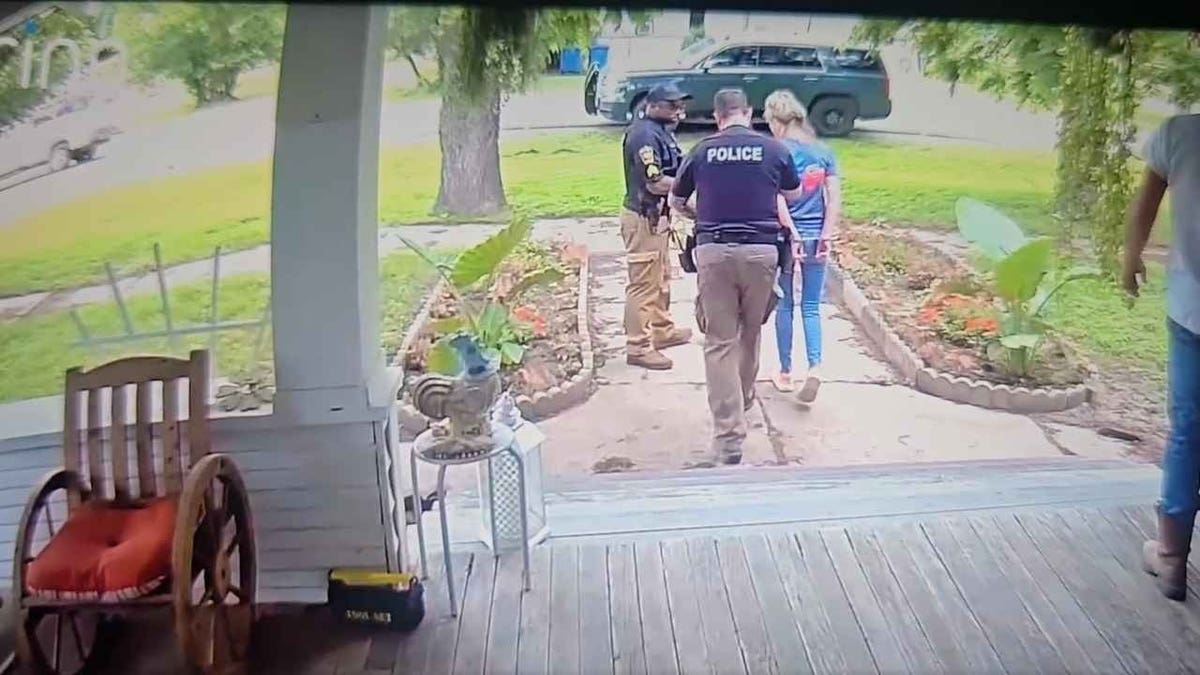
The unfolding drama in Trinidad, Texas began when Jennifer Combs, a Texas resident, was apprehended by police while using Facebook to share concerns over discolored water. She faced a felony charge for false alarm or report and spent 23 hours in jail. However, a grand jury in Henderson County chose not to indict her, leading Combs to file a federal lawsuit accusing political retaliation.
Recent developments continued the controversy as another individual was arrested after protesting. This protestor, Winston Noles, stood outside Trinidad City Hall with critical signage targeting local law enforcement. Former Judge Shellena Bivens intervened in this case by dismissing charges against Noles due to insufficient evidence. Tragically, Bivens faced termination from her judicial position a week later.
In an intriguing turn, Bivens alleged Charles Gregory, Trinidad’s police chief during Combs’ arrest, vowed retribution against her following Combs’ Facebook post. Gregory disputed these claims, maintaining Combs’ post incited fear and panic.
The scrutiny deepened when Henderson County District Judge R. Scott McKee reviewed the warrant connected to Combs’ case. McKee questioned the officers’ reliability and completeness of their information, urging more transparency in future warrant submissions.
State investigators also identified Trinidad’s water system violations. Findings from the Texas Commission on Environmental Quality highlighted issues like inadequacies in chlorine and iron levels and sampling concerns. These reports resonate with community grievances over water quality.
Compounding the situation, a local family reported their daughter sustained skin burns presumably linked to the water. Medical assessments pointed to possible chemical burns, though direct causation remains unverified. Their legal considerations further emphasize the system’s deficiencies.
Further complications arose as Trinidad’s City Hall staff resigned en masse, evoking operational concerns within the city. The Texas Rangers have since launched an investigation, yet specifics remain undisclosed. Combs criticized Facebook’s role, accusing mass reporting of her post by local group members leading to its removal. This deletion underscored concerns about preserving evidence and free speech rights.
The situation illuminates broader implications of social media’s impact and local government responses. Arrests over critical discourse risk chilling effects on community transparency and engagement. The events invite reflection on safe avenues for expressing public concerns.