
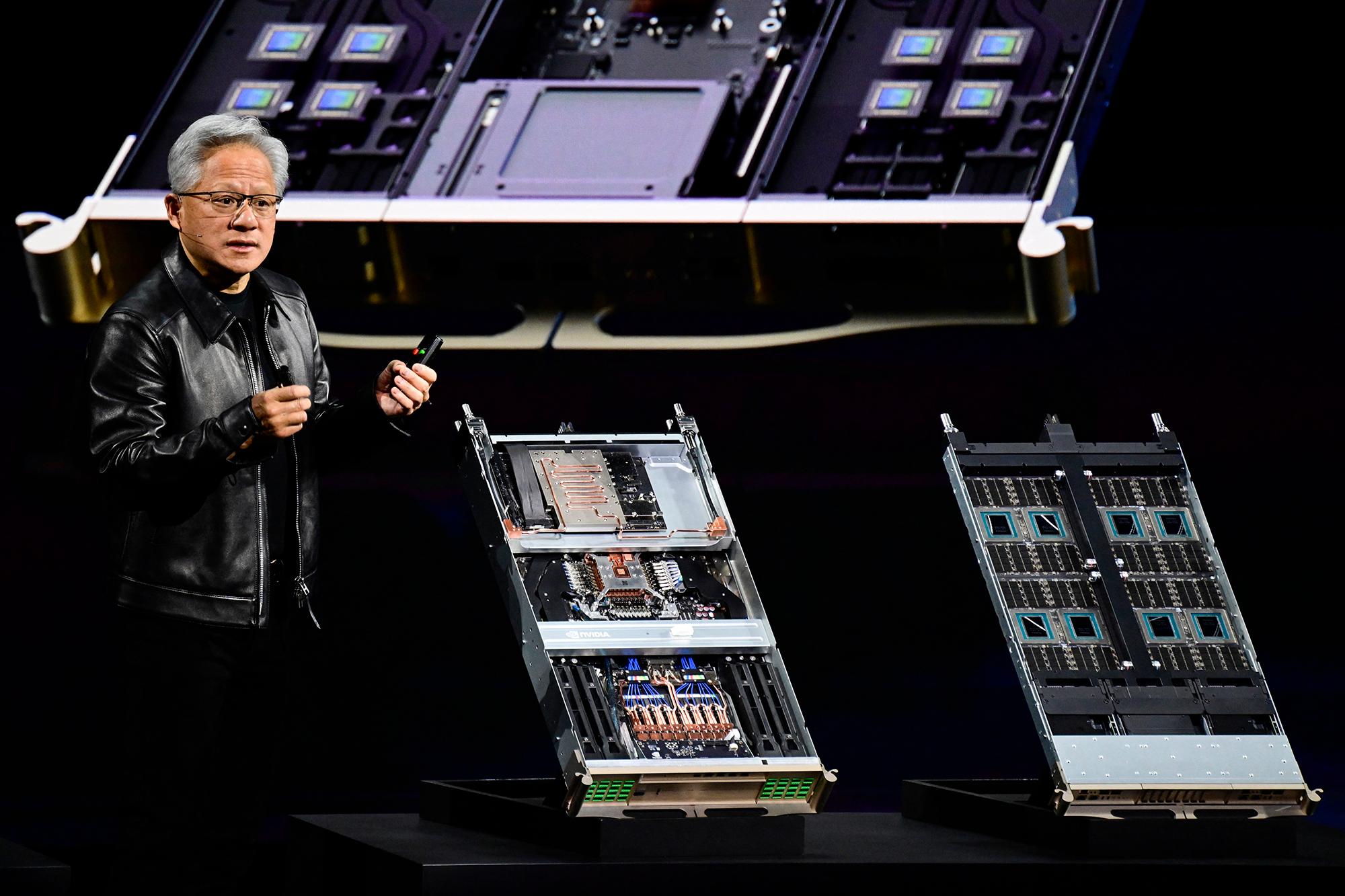
Jensen Huang, co-founder, President, and CEO of Nvidia, recently delivered his keynote speech during the Nvidia GTC Berlin 2026 Artificial Intelligence conference. However, controversies surrounding his personal life have overshadowed this event. Reports indicate that the Chinese government targeted Huang in a ‘honeypot’ operation to gain an edge in the AI race.
Huang has admitted to an affair with Alice Huang, with surveillance suggesting she passed information to Chinese authorities. This raises national security concerns, and authorities are urged to investigate thoroughly and take retaliatory measures against China if necessary.
Nvidia is a critical player in the AI industry, valued at $4.5 trillion. Huang’s leadership is fundamental to the company’s success. Despite this, political tensions could jeopardize his position. Some in the Democratic Party aim to use these developments to leverage anti-AI sentiments and impose stricter regulations on AI development, which may give China a competitive advantage.
Sen. Bernie Sanders initially proposed government control over AI firms but is now focusing on legislation to slow AI advancements. This aligns with ongoing critiques from Democrats targeting data centers, claiming excessive power and water usage.
The Huang scandal is likely to be exploited for further political maneuvers, with figures like Sen. Chris Coons demanding investigations into AI industry ties with the Trump administration.
Although Nvidia’s board expressed confidence in their security, the nature of information shared remains unclear. Huang’s advocacy for easing AI trade restrictions with China highlights his influence on US export policies.
The situation echoes previous cases of Chinese espionage targeting US figures. The potential fallout from Huang’s situation could harm the AI industry, potentially advancing China’s technological ambitions. While critics like Bernie Sanders may view this as a positive, the broader implications for technological progress are concerning.
Addressing Jensen Huang’s actions and responding to China’s tactics is crucial. Nonetheless, leveraging this affair to undermine US AI development efforts is counterproductive. Advancing AI capabilities remains vital to national interests and future progress.