
Ten years ago, Britain made the historic decision to leave the European Union, a move known as Brexit. This political shift has led to ongoing instability, marked recently by the resignation of the country’s sixth prime minister since Brexit.
I recall explaining Brexit to my then-seven-year-old daughter, who was confused about Britain’s departure from Europe. She asked, “Where do they want to go? Africa?”
The political upheaval in Britain continues. Keir Starmer, who achieved a significant electoral victory less than two years ago, has resigned. He lost the confidence of voters and many within his party.
His successor is expected to be a charismatic, popular figure from a humble northern English background. But these qualities may not be enough to address the deeper economic issues exacerbated by Brexit.
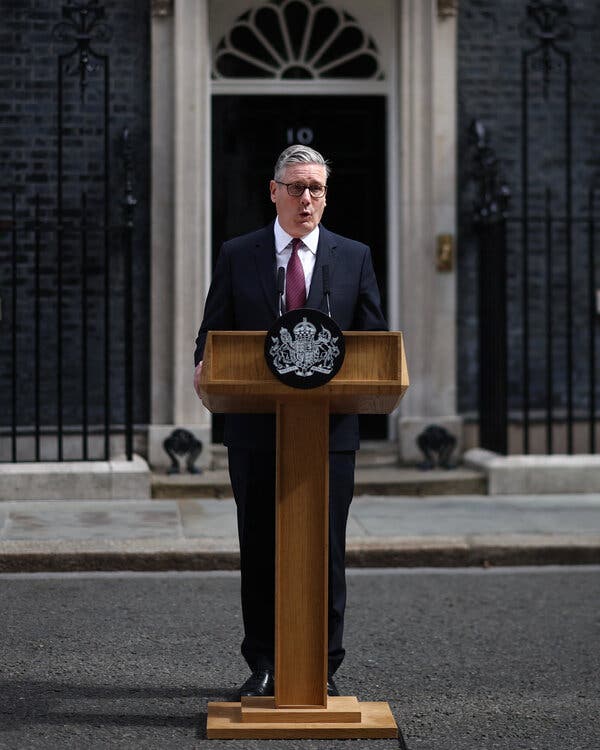
Image: Keir Starmer during his resignation speech. Credit: Henry Nicholls/Agence France-Presse – Getty Images
Ten Years, Six Prime Ministers
The rise of the right-wing populist Reform UK party, led by Brexit architect Nigel Farage, has dramatically impacted British politics. Over a year ago, Reform UK overtook the ruling Labour Party in opinion polls and subsequently defeated Labour in local elections across England.
The pressure on Starmer to resign has been relentless, culminating in his decision to step down on Monday. This marks a significant fall for a politician whose party won one of the largest postwar parliamentary majorities just two years ago.