
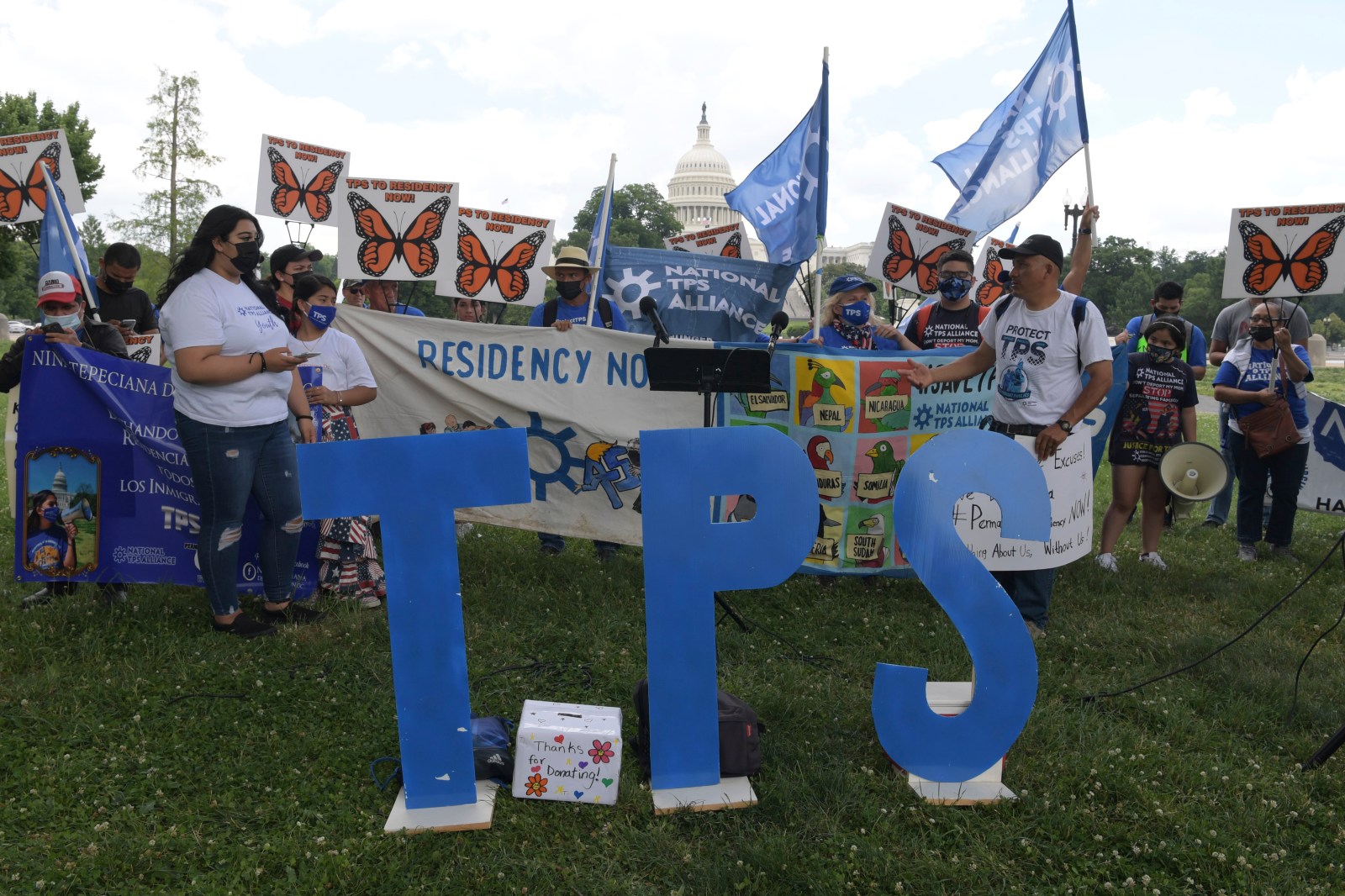
The Department of Homeland Security under the Trump administration is facing criticism from within its party. This relates to handling Temporary Protected Status (TPS) for 350,000 Haitians and 6,000 Syrians. The Supreme Court ruled in a 6-3 decision that the courts cannot review the DHS secretary’s decision to end TPS designations. Justice Samuel Alito wrote for the majority, while Justice Elena Kagan, dissenting, cautioned that TPS holders could soon face deportation.
Two days after the ruling, DHS Secretary Markwayne Mullin explained the next steps on CNN’s State of the Union. When asked by host Jake Tapper if all TPS holders would be deported, Mullin said alternatives would be available. Options include applying for temporary visas or permanent residence. Additionally, DHS would provide a plane ticket and approximately $2,100 for resettlement in their home country.
‘Backdoor amnesty’ is the term used by critics, indicating a temporary status morphing into a de facto permanent status, without an official legislative vote for amnesty. Conservatives reacted to Mullin’s interview, emphasizing the need for TPS holders to be made aware they would lack legal status.
Conservative figures like Laura Ingraham and commentator Nick Sortor swiftly criticized Mullin’s approach. By Sunday, Mullin sought to clarify his stance, stating TPS is temporary and accusing Democrats of trying to create permanent amnesty. He specified non-legal residents had two choices: accept financial support to return home or face removal.
The notion of ‘backdoor amnesty’ has been a conservative talking point, with lawmakers like Rep. Brandon Gill arguing it as a tool used to increase immigration. DHS’s decision, according to critics, undermines its stance that TPS should not become permanent.
While some immigration analysts challenge the notion, noting TPS holders can apply for other statuses, approval isn’t guaranteed. DHS argues the stipend offer could cut deportation costs significantly. Yet, concerns persist that combining a stipend with visa applications allows for quasi-permanence against stated policy aims.
Geoff Pipoly of BCLP highlighted the difficulties of transitioning to permanent status and refuted claims of re-entry post-deportation, citing legal constraints. Additionally, Pipoly stressed the limited feasibility of obtaining asylum, considering recent administrative changes.
The political battle continues against a backdrop of expiring work authorizations for Haitian and Syrian TPS holders, irrespective of how current controversies play out.