
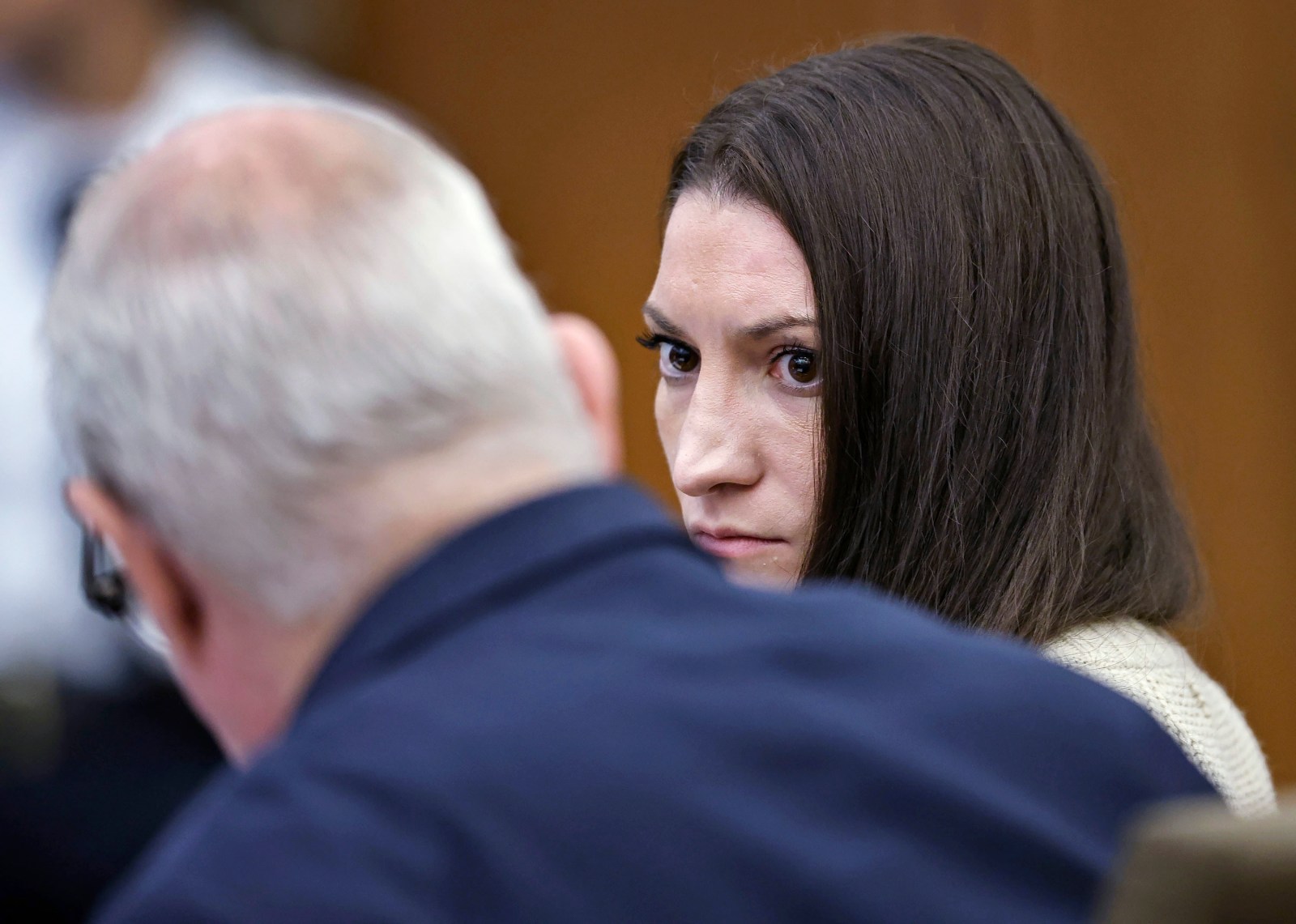
Heated Courtroom Battle in Clancy Trial
The final stretch of Lindsay Clancy’s murder trial intensified as defense attorney Kevin Reddington challenged prosecution psychiatrist Dr. Avram Mack’s conclusion that Clancy was severely depressed, but not psychotic when she killed her three children.
Prosecutors aimed to dismantle the defense’s argument that Clancy experienced postpartum psychosis, including a command hallucination, making her not criminally responsible for the killings. Mack, who stated Clancy suffered from major depressive disorder but not psychosis, emphasized that psychosis does not necessarily prevent someone from distinguishing right from wrong.
Reddington targeted Mack’s qualifications and previous testimony, citing cases where his opinions were questioned. The discussion shifted to postpartum psychosis, with Reddington challenging Mack’s understanding of this condition.
Religious Question Leads to Drama
Dr. Kirk Heilbrun, another prosecution expert, testified Clancy was suffering from bipolar II disorder, contradicting Mack’s diagnosis of major depressive disorder. Heilbrun rejected the defense’s theory of psychosis and argued Clancy aimed to prevent her children’s suffering if she died.
Defense attorney Reddington objected to Heilbrun’s testimony involving Clancy’s Catholic faith, accusing the prosecution of misconduct and requesting a mistrial. Judge William Sullivan denied the mistrial but ordered jurors to disregarded the religious testimony.
Medication Effects Questioned
Edward L. Jones III raised the possibility that psychiatric medications contributed to Clancy’s mental state change. He drew parallels to David Crespi’s case, suggesting antidepressants may have affected behavior.
Clancy’s prescribed medication history included Zoloft, Prozac, and others, with FDA reports not conclusively establishing causation but warranting scrutiny. Jones argues the medication’s role should be considered alongside psychiatric diagnoses.
The Trial’s Conclusion
The trial is nearing its end. Closing arguments are anticipated Wednesday, with the jury having to decide if Clancy’s actions were due to a psychotic break or a comprehensible suicidal crisis. The case is set to go to the jury after final testimonies.