
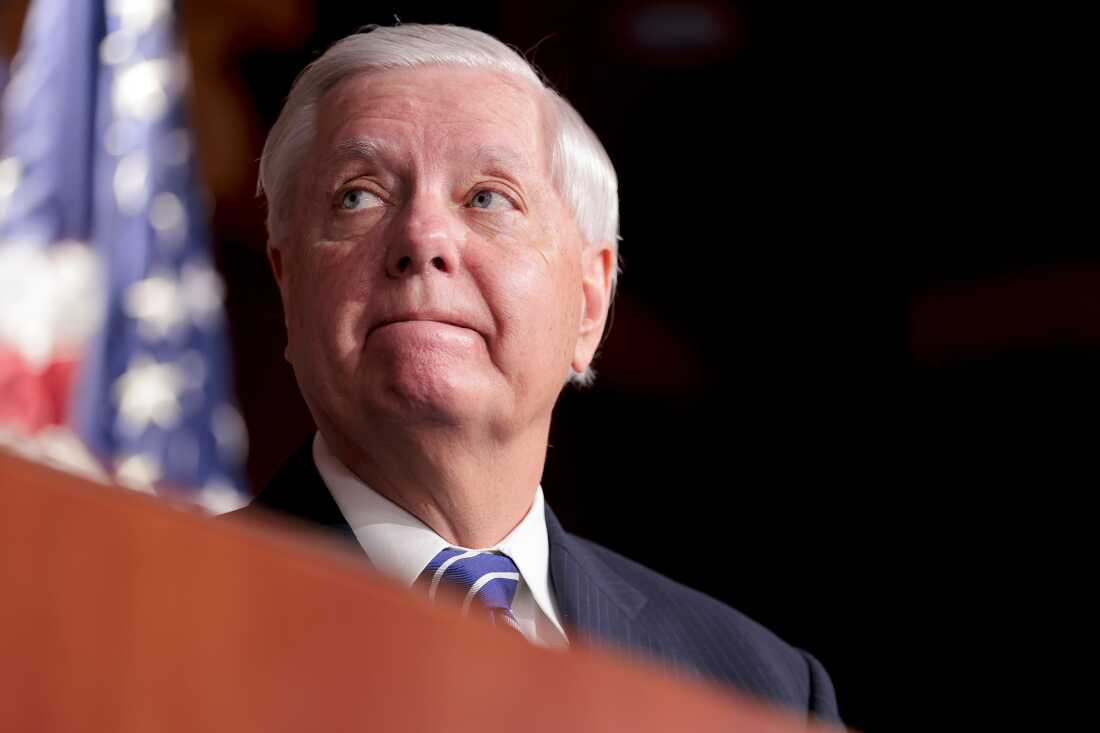
The Senate has approved a bipartisan bill aimed at imposing new sanctions on Russia. This legislation, strongly supported by the late Lindsey Graham, a South Carolina Republican, passed with an overwhelming vote of 86 to 11. This effort seeks to undermine the Russian economy as a response to the ongoing conflict in Ukraine that erupted when Russia invaded in 2022.
The proposed sanctions target leading Russian figures and countries purchasing oil and natural gas from Russia. It permits the President to impose tariffs of up to 100% on major Russian energy importers like China and India. The bill also includes an extension of sanctions against Iran.
Lindsey Graham had been an ardent advocate for these sanctions before his sudden death at age 71. He had met with Ukrainian President Volodymyr Zelenskyy and secured an understanding with the White House to back the bill. In tribute, his Senate colleagues have proposed naming the legislation after him.
“My late brother Lindsey was a foreign policy and national security expert. He was also a peacemaker who was determined to bring an end to the conflict in Ukraine,” stated Sen. Darline Graham from the Senate floor prior to the vote.
Graham concluded his tenure, passing his responsibilities to his sister, Darline Graham, after his passing. She emphasized the bill’s importance, noting, “The war against Ukraine is primarily funded by the revenue Russia rakes in from energy sales. Without these profits, the ability to fund the war would be crippled. This legislation hits Putin where it hurts.”
The bill must now move to the House for approval before it reaches President Trump, who has indicated support. House Speaker Mike Johnson also endorses the bill. However, the margin will be tight as some House Democrats have expressed concern over granting new tariff powers to the President.