
Concerns about the New World screwworm are intensifying as state and federal officials confirm new cases and escalate efforts to control the parasite’s spread. Unlike a virus, screwworm is a parasitic fly whose larvae consume living tissue, mainly affecting livestock and other animals.
State officials reported a screwworm case in a goat in Gillespie County, Texas. Earlier in the day, cases emerged in a calf in La Salle County, Texas, and a dog in Lea County, New Mexico. Authorities are aggressively working to halt the spread. Dr. Lewis R. “Bud” Dinges, Executive Director of the Texas Animal Health Commission, stated, “Teams are on the ground in infested zones, conducting active animal surveillance, establishing checkpoints, connecting with landowners and producers for sterile fly release locations, conducting ground and aerial release of sterile flies, and educating animal owners and the public on the pest and how to prevent the spread.”
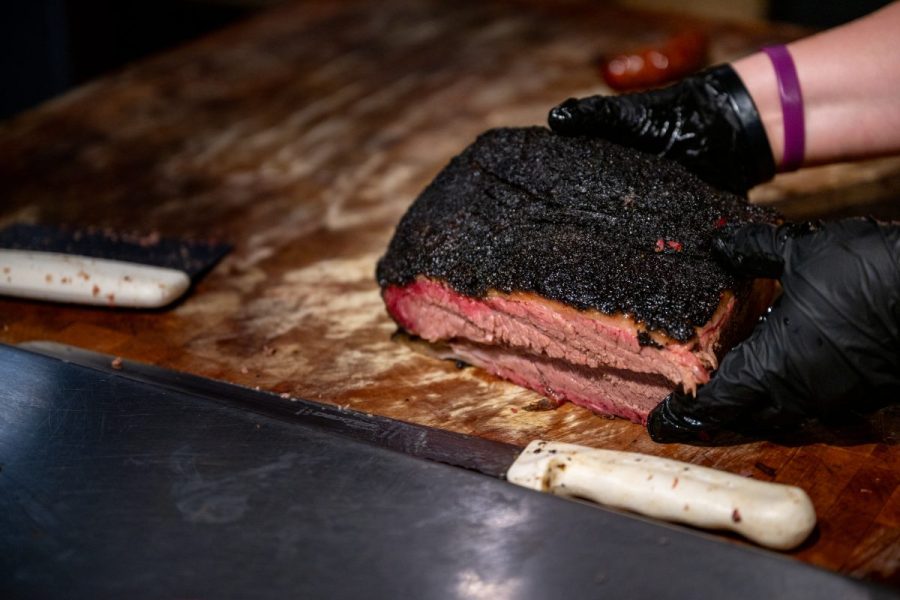
The Texas cattle and beef industry, already facing high prices and tight supply, is increasingly concerned about the new cases. At County Line Barbecue, a popular dish remains brisket, but owner Skeeter Miller notes the rising costs. To adapt, the restaurant has modified its menu. Miller explains, “What we have to do is kind of work with our menu a little bit, like creating different platters where everybody gets a good taste of something.”
According to the U.S. Department of Agriculture, wholesale brisket prices have surged. In 2021, a pound cost between $2.40 and $3.00, but by 2025, prices ranged from about $5.75 to $7.00 per pound.
Emily Williams Knight, president and CEO of the Texas Restaurant Association, highlighted the impact of beef demand on supply. She remarked, “I think it’s important people know that unlike when we’ve had a chicken wing crisis or an egg crisis, replenishing the beef herd takes a long time.” She noted the ongoing pressure on restaurants due to increased beef demand and limited supply. “Barbecue in Texas is part of our culture,” Knight said, stressing the cultural and economic dependency on beef.
With confirmed screwworm cases in Texas, the industry’s challenges grow. For seasoned operators like Miller, it’s another hurdle in an industry accustomed to crises. “I’ve seen mad cow, I’ve seen bird flu, I’ve seen just about everything,” Miller shared. “It’s an issue. We want to assure customers of a good experience while serving the best beef possible.”
During a briefing, officials urged ranchers and livestock owners to report suspected screwworm cases immediately. Early reporting is crucial for prioritizing resources, including the limited sterile flies available for pest control. Rapid action is essential for effective containment.
Copyright 2026 Nexstar Media Inc. All rights reserved. This content may not be published, broadcast, rewritten, or redistributed.