
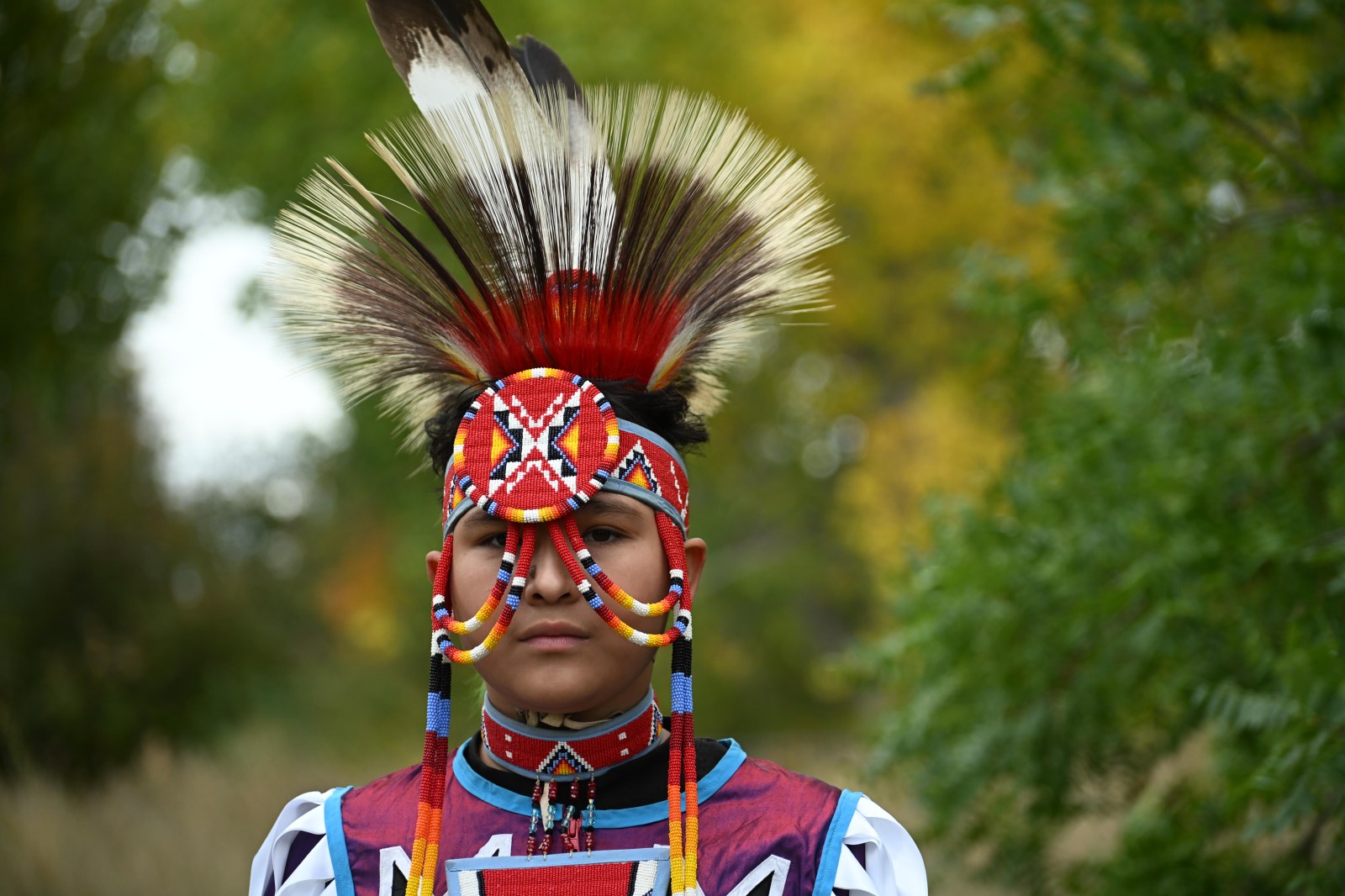
Each year, the second Monday of October sees different names attached to the day, varying by location across the United States. Whether marking Columbus Day or Indigenous Peoples’ Day, states remain divided on their observance choices.
In 2020, the day in question was Monday, October 12. Columbus Day continues to hold its place among federal holidays. Yet more states are opting to recognize Indigenous Peoples’ Day, aiming to honor Native Americans.
Research from the Pew Research Center shows that 30 states and three U.S. territories recognize Columbus Day at some level. However, only 20 states and two territories treat it as a paid day off for state employees. Conversely, 17 states and Washington, D.C., observe Indigenous Peoples’ Day. Five states acknowledge it along with Columbus Day, awarding a paid holiday to their workers: Montana, Nebraska, Ohio, Pennsylvania, and Rhode Island.
“The name of the October holiday is a piece of a larger conversation about how the U.S. reflects on its history. Columbus Day remains a federal holiday, but a growing movement among states sees recognition of Indigenous peoples either alongside Columbus or in his stead.”
Is Indigenous Peoples’ Day a Federal Holiday?
As of now, Indigenous Peoples’ Day lacks status as a federal holiday, contrary to Columbus Day. The law specifies the second Monday of October as Columbus Day.
President Joe Biden made history in 2021 by becoming the first president to issue a proclamation for Indigenous Peoples’ Day. This act did not alter the federal holiday’s name or supplant Columbus Day. In his words: “On Indigenous Peoples’ Day, our Nation celebrates the invaluable contributions and resilience of Indigenous peoples, recognizes their inherent sovereignty, and commits to honoring the Federal Government’s trust and treaty obligations to Tribal Nations.”
Meanwhile, President Donald Trump celebrated Columbus Day in his own proclamation, commending Columbus for his courage, describing it as paving the way for freedom and American heritage, and pledging to protect his history.
Which States Observe Indigenous Peoples’ Day?
Seventeen states alongside Washington, D.C., observe Indigenous Peoples on this October date in various forms.
Indigenous observance alongside Columbus Day:
- Montana
- Nebraska
- Ohio
- Pennsylvania
- Rhode Island
Alabama further observes American Indian Heritage Day along with Columbus Day.
Indigenous holiday instead of Columbus Day:
- Maine
- New Mexico
- South Dakota (Native American Day)
- Vermont
The transition by Maine, New Mexico, and Vermont to recognize Indigenous Peoples’ Day occurred in 2019, while South Dakota took the initiative in 1990.
States with unpaid Indigenous observance:
- Alaska
- California
- Hawaii
- Minnesota
- Oklahoma
- Oregon
- Wisconsin
Which States Continue to Observe Columbus Day?
Columbus Day still holds official recognition within 30 states and several U.S. territories, with 20 states offering a paid day off for state employees.
Overlap exists. States such as Alabama, Montana, Nebraska, Ohio, Pennsylvania, and Rhode Island maintain Columbus Day while acknowledging Indigenous observance.
The topic remains contentious. Supporters of Columbus Day emphasize its importance to Italian American culture. Advocates for Indigenous Peoples’ Day argue it recognizes the Indigenous peoples’ experiences and impacts of colonization.
“The most American thing about America is American Indians,” stated Paul Chaat Smith of the Smithsonian’s National Museum of the American Indian.
When Was Indigenous Peoples’ Day Established?
The history behind Indigenous Peoples’ Day spans decades.
In 1977, an international conference in Geneva addressed Indigenous populations, discussing the possibility of replacing Columbus Day. South Dakota made an early step in 1990, renaming it Native American Day. Berkeley, California followed in 1992, timing its recognition to coincide with 500 years since Columbus’ arrival.
This momentum reached national levels when Biden acknowledged Indigenous Peoples’ Day through proclamation in 2021.
Are Banks, Schools Open on Indigenous Peoples’ Day?
Due to Columbus Day’s federal status, federal offices close, as does the U.S. Postal Service.
The Federal Reserve Banks will also shut down, influencing banking operations. However, individual institutions may decide branch opening hours.
School closings don’t adhere to a national mandate. Schools’ operational status on this holiday varies according to state and local calendars. Private businesses may set their own schedules.
What Happens Next?
Federal offices will continue honoring Columbus Day. The debate surrounding the holiday is set to persist.
While states may alter their observance calendars, Columbus Day maintains its official standing in federal law. Trump’s statement asserts America’s indebtedness to Columbus and promises to preserve his legacy.