
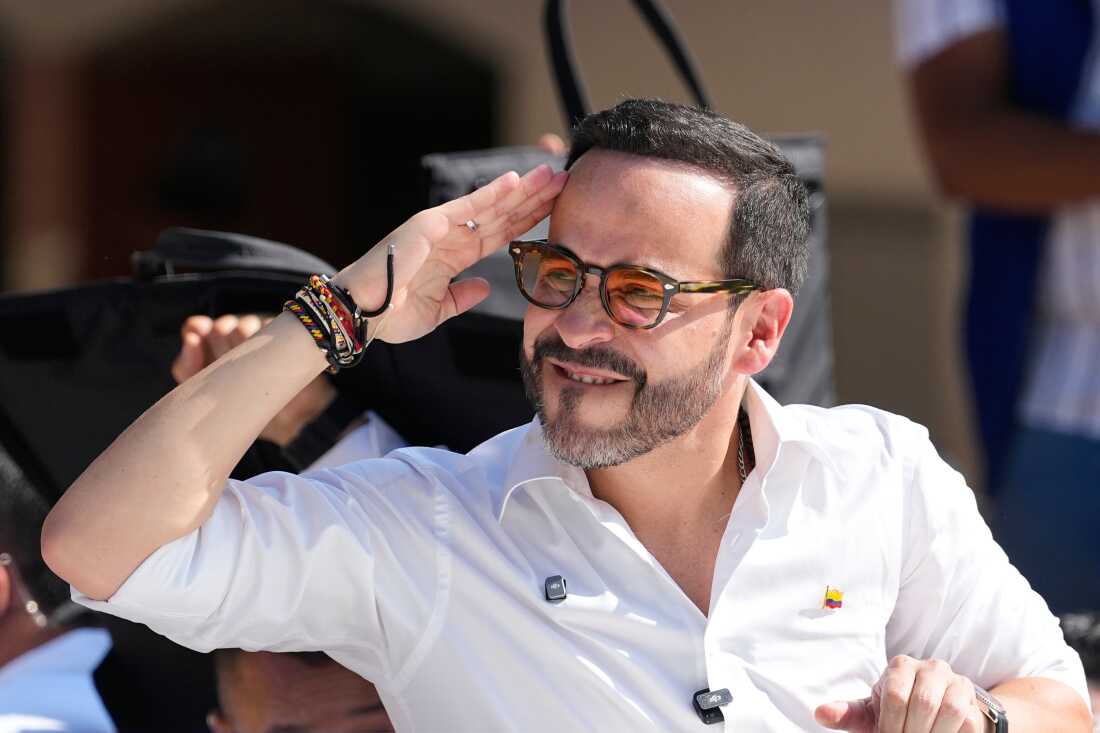
Abelardo de la Espriella, a tough-on-crime candidate, leads Colombia’s presidential race after the first voting round. He will compete against Iván Cepeda, an ally of the outgoing President Gustavo Petro, in a runoff election slated for June. Cepeda has questioned the vote accuracy, alleging possible manipulation.
Election Results and Allegations
Neither candidate secured a majority, triggering a second voting phase. With 99.98% votes counted, de la Espriella garnered 44% while Cepeda received 41%. Cepeda and Petro have cast doubts on the results, alleging foreign interference without evidence. Cepeda awaits election authority reviews before accepting results, acknowledging the likelihood of a second round.
Contrasting Campaign Promises
Cepeda, a progressive senator, aims to continue Petro’s “total peace” strategy by negotiating with guerrillas and gangs. He previously led in polls but lost ground to de la Espriella, who promises a crackdown on armed groups. The runoff may challenge Cepeda, as de la Espriella could consolidate conservative support.
De La Espriella’s Stance
Nicknamed “The Tiger,” de la Espriella casts himself as a supportive ally of U.S. President Donald Trump. He calls for U.S. and democratic monitoring of the runoff while pledging a tough approach to crime.
Regional Implications
Latin American voters are increasingly favoring security-focused leaders over progressive solutions to systemic issues like youth unemployment and corruption. This trend is influenced by U.S. pressure on Latin America to tackle crime.
The election highlights two divergent paths for Colombia’s peace future. Cepeda’s continuation of Petro’s agenda contrasts with de la Espriella’s hardline approach, resembling El Salvador’s President Bukele’s anti-gang policies.
Public Sentiment
The election is viewed as a referendum on Petro’s legacy, ten years after Colombia’s historic FARC peace pact. Renewed violence during peace talks and campaign events heightens the stakes. For example, Miguel Uribe Turbay, a 39-year-old candidate, was fatally shot during a political rally last June.
Some voters, like Maria Eugenia, prioritize security over the human cost of confrontations with criminal groups. She blames unchecked rural violence for supporting de la Espriella.
Conversely, voters like sociologist Juan Acevedo oppose de la Espriella’s military-style tactics, advocating instead for continued progressive efforts. Acevedo calls for improved balance between peace negotiations and control over armed groups.
Ultimately, voters must choose between maintaining Petro’s progressive policies or reverting to more militaristic solutions. This decision will impact Colombia’s strategy in addressing longstanding violence.