
The final days of negotiations over the “Protect College Sports Act” between the SEC and Big Ten were tense as senators prepared the legislation for a vote. These talks involved not only senators but also the White House and various college athletic conferences, all racing against time to find common ground.
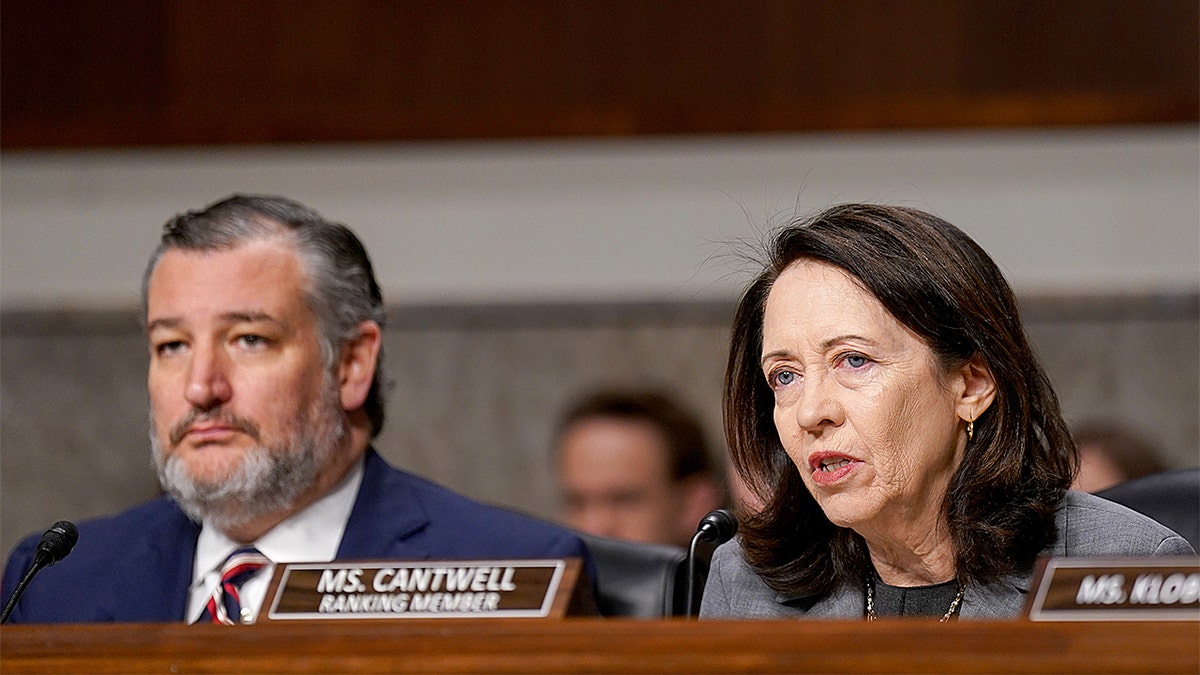
Significant time constraints and intense discussions marked the last five months. The pressure was on as lawmakers, including Senator Ted Cruz (R-Texas) and Senator Maria Cantwell (D-Wash.), worked to present a bipartisan bill that could unite the involved parties.
Now progress can be made in protecting women and Olympic athletes, moving this legislation closer to the President’s desk,said Senator Maria Cantwell to OutKick-Fox News Digital.
Senator Eric Schmitt (R-MO) echoed her sentiments, emphasizing the chaos in college sports due to unlimited transfers and lack of eligibility rules. He, along with Senators Cruz and Cantwell, established common-sense regulations to protect future athletes and ensure revenue generation for universities. Schmitt urged Senate colleagues to pass the bill to sustain college sports.
Big Ten Commissioner Tony Petitti and SEC Commissioner Greg Sankey were in regular communication. The Big Ten convened at 1 p.m. ET on Thursday, with the SEC, Big 12, and ACC following at 4 p.m. ET. The involvement of high-level officials underlines the significance of this effort in college athletics.
A White House official confirmed President Trump’s active engagement with the negotiations, stressing his desire to save college sports. Committee members like New York Yankees president Randy Levine and Texas Tech booster Cody Campbell supported these efforts.
As Congress approached its summer recess, time was running out. Senate Majority Leader John Thune’s comments about time shortages pushed parties to finalize support for the bill, leading to lobbying efforts across states.
On Friday, collaborative efforts paid off. SEC and Big Ten commissioners addressed reporters, highlighting the importance of timely discussions and support for the legislation.
This is not easy. While athletics are crucial, we must consider everything happening on campuses,said a Power-4 school president. With classes starting soon, the urgency is high to maintain college athletics’ financial and public engagement benefits.
Key provisions in the bill target NIL deals, eligibility rules, and penalties for tampering. It also establishes guidelines for schools and conferences, aiming for a refined regulatory framework.
Senator John Thune needed to file for cloture to ensure a vote the following week. Key negotiation points included:
- Multimedia Rights deals within the cap
- Attestation process for sponsor agreements
- Antitrust exemptions related to eligibility rules
- Penalties for tampering
- A $22.5 million retention pool
- Caps with stricter NIL guidelines
- Limits on conference memberships
Communication between senators and conference leaders remained crucial for moving forward. Senator Eric Schmitt’s ongoing discussions with SEC Commissioner Sankey showcased efforts to resolve outstanding issues before the vote.
The White House, led by President Trump, hosted a roundtable on college sports, discussing potential antitrust exemptions crucial for upcoming legislative action.
The time for action is critical as Congress approaches recess. Without resolution, relevance could fade. The Protect College Sports Act, once considered unlikely, appears poised for Senate action, reflecting the complex negotiations behind it.