
The unveiling of the preseason Coaches Poll signals that college football season is on the horizon. The recent discussions have centered on the SEC and Big Ten’s rivalry, fueled by the Indiana Hoosiers’ triumph in the National Championship following a perfect 16-0 season. This scenario unfolded soon after Texas head coach Steve Sarkisian’s assertion that undefeated teams were obsolete in the NIL era.
The 2026 season presents new challenges. The transfer portal and NIL make it difficult to assess team strength yearly. This season, with coaching upheavals at leading programs, might be especially complex.
“College football returns after months of legal challenges, NIL issues, and congressional debates.”
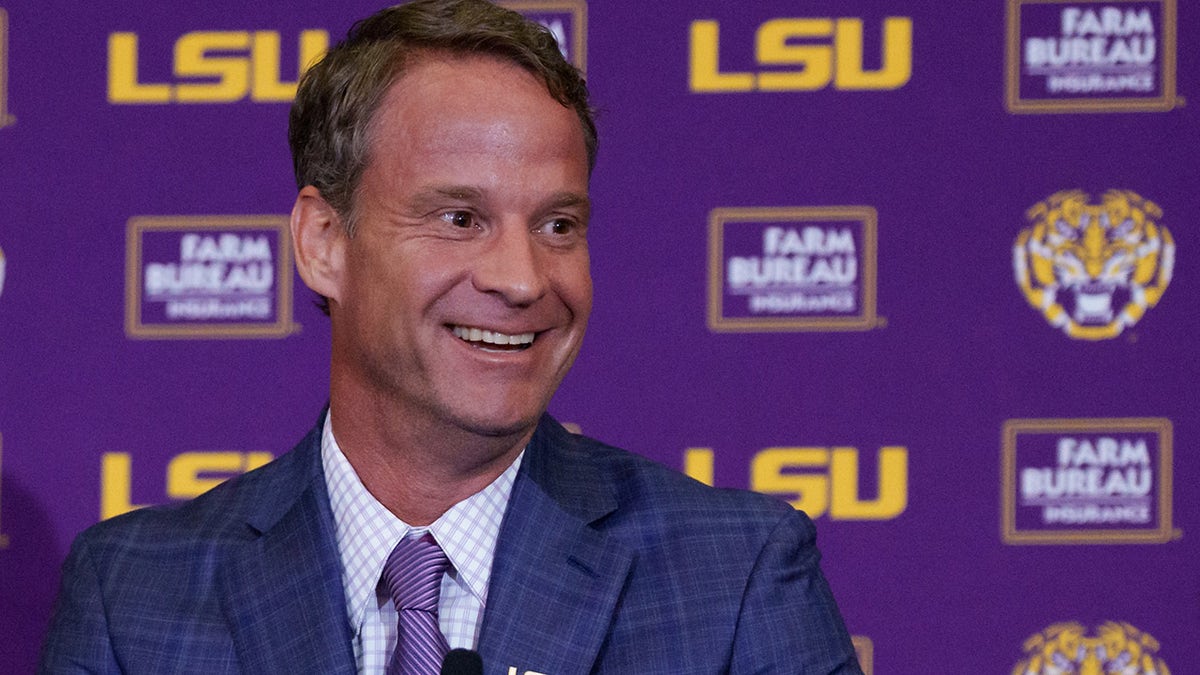
New leadership has emerged at several programs. Lane Kiffin left Ole Miss for LSU, while Pete Golding took charge in Oxford. Jon Sumrall is the new head coach for the Florida Gators. Auburn welcomed Alex Golesh from USF. Matt Campbell replaced James Franklin at Penn State. Kyle Whittingham departed Utah for the Michigan Wolverines, troubled by Sherrone Moore’s exit. Morgan Scalley leads in Salt Lake, with Bob Chesney joining UCLA to revive the team.
How well did the coaches, or rather their staff voting in the poll, assess these changes for 2026? They fared reasonably well, possibly due to a blend of human intuition and analytics.
Comparing the Coaches Poll judgments with analytical ranking systems shows some accuracy. These systems, which evaluate offensive, defensive, and special teams efficiency, often depict a team’s real potential more accurately than human perception. While voters value wins and losses, understanding performance quality is crucial.
Rankings vs. Performance
Teams’ efficiencies can sometimes contradict poll placements. For instance, LSU might generate significant yardage offensively and defensively, but critical errors like fumbles near the goal might misrepresent their true performance in traditional assessments.
“Despite a solid defense, LSU’s late-game errors might overshadow efficiency.”
Testing these preseason listings against SP+, created by Bill Connelly and hosted by ESPN, reveals insights. SP+ uses metrics from prior years, returning talent, and recruitment results for rankings. The alignment between Coaches Poll and SP+ for top teams like Ohio State, Oregon, and Georgia shows some parallel. Although human rankings often echo historical biases, analytic systems sometimes foretell future successes or shortcomings.
Human Bias and Analytical Discrepancies
Polls display biases, especially toward notable programs. In 2025, SEC teams like Florida and LSU experienced high initial rankings that failed to match field outcomes. For 2026, Oklahoma and Ole Miss reflect similar discrepancies in their Coaches Poll rankings compared to analytic-based rankings, with a higher human assessment.
On the flip side, analytics convey that coaches might undervalue teams like LSU and Tennessee. LSU’s expected gains from transfers and quarterback depth rank them higher in SP+ than in human polls. Tennessee also sees an underrepresentation, with strong past performances underappreciated by human voters.
Promising Programs and Surprises
Texas Tech’s transformation due to strategic NIL use highlights another aspect. Ranked seventh by SP+, yet 12th in the poll, Texas Tech demonstrates effective program enhancement through recruitment and transfers.
Houston’s ranking inconsistency provides an intriguing tale. While listed lower by SP+, their poll position sets up a significant upcoming matchup with Texas Tech, promising a test of methodologies and expectations.
Overall, while not flawless, the Coaches Poll aligns closely enough with analytical expectations, indicating proficient application of subjective and objective criteria. For fans and teams ranked lower, surprises remain possible, echoing Indiana’s unexpected triumph last season.
Article by Ian Miller, OutKick contributor.