
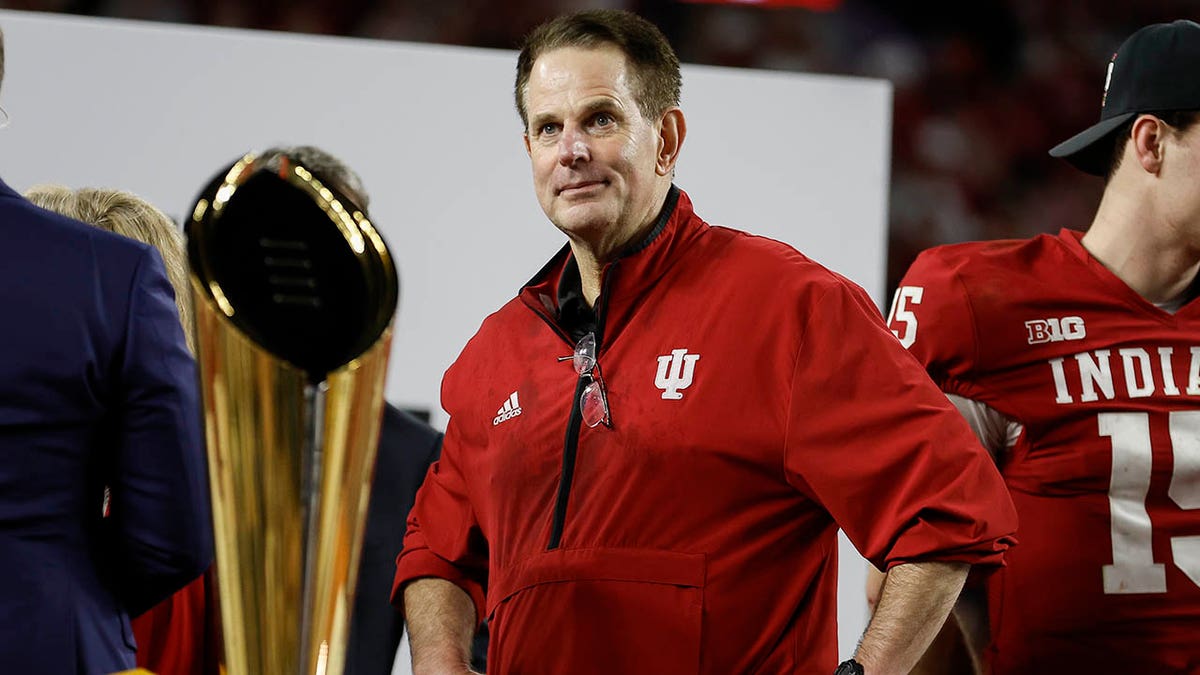
The task of the College Football Playoff selection committee is demanding. With the current setup, only 12 teams qualify for the playoffs, making it a key measure of a program’s success. Coaching changes often hinge on playoff involvement. Conferences vie for recognition based on appearances in these games.
The committee must navigate competing priorities, ensuring some parties feel overlooked. There’s always a 13th team missing out, or a major school believing they were unfairly excluded. Conferences push for more of their teams, while smaller schools claim they deserve a spot despite playing weaker schedules.
“The choices made spark disagreement and debate,” explained one observer. “Bias and mistakes can arise due to human evaluation.”
Transparency in the committee’s decision-making process is a common complaint. Although members discuss factors like strength of schedule, it’s unclear how these are evaluated. Are they relying on advanced analytics or subjective assessments?
Recently, the committee introduced a new metric: strength of conference. Heather Dinich from ESPN reported that this data point will aid in comparing teams within the same league, considering the schedule strength of conference opponents.
“The new metric aims to separate teams with similar records using the strength of their league opponents,” stated Dinich.
This development prompts further questions. How are strong opponents identified? Are win-loss records or ranked poll appearances used? Or is it based on computer-driven analysis? These details remain undisclosed.
Many fans approach evaluations differently. Some focus on wins and losses or head-to-head results. Others consider ranked wins, though these can be misleading. For example, LSU’s win over Texas A&M is counted as ranked, despite the Aggies not being a top team. Analytics-driven systems, which are more objective, might be preferable.
The end goal should be to minimize bias and evaluate teams based on combined metrics. This would reduce reliance on subjective polls. The outcome remains uncertain and the debate will likely continue for months.