
Weakened Restrictions on Methane Emissions
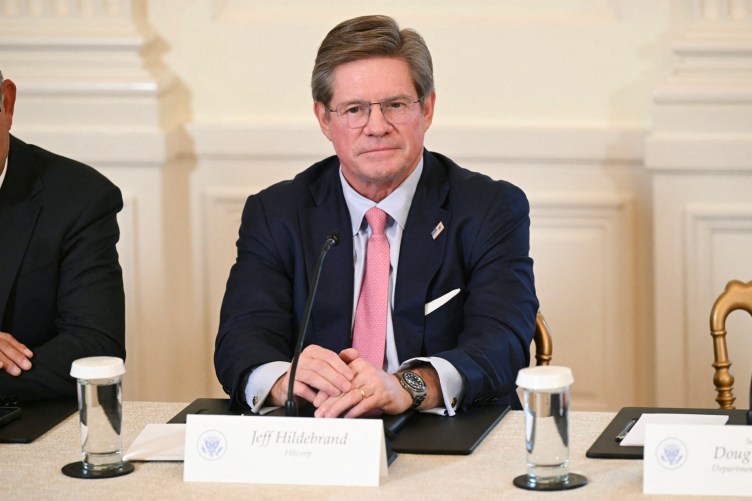
The Environmental Protection Agency (EPA) under President Donald Trump is taking steps to weaken regulations on oil and gas wells. These regulations currently limit methane emissions from wells that produce minimal energy but release significant amounts of methane, a potent greenhouse gas. This move benefits oil billionaire Jeffery Hildebrand, a major donor to Trump, while society grapples with the environmental costs.
Involvement of Influential Figures
A former lobbyist for Hildebrand is now rewriting the EPA’s methane rules and has solicited advice from oil industry groups financially backed by Hildebrand. This points to an influence campaign that affects environmental policy and the rules governing methane emissions.
Meeting of Oil Executives
In January, a Gulfstream G600 jet landed at Dulles airport, carrying Hildebrand, who was summoned to the White House. By the afternoon, he was part of a group of energy executives seated in the East Room three seats away from President Trump, who called for investments in Venezuela’s oil sector. While other executives expressed concerns, Hildebrand committed to rebuilding Venezuela’s infrastructure, despite his operations being primarily domestic.
Hilcorp’s Methane Emissions
Hilcorp, founded by Hildebrand, specializes in acquiring aging ‘stripper wells’ that produce minimal output and are notorious for methane emissions. Recent studies reveal these wells contribute significantly to methane leaks due to low monitoring and maintenance. Despite their minor role in energy production, these wells disproportionately impact climate change through emissions.
Inspections Reveal Leaks
Last August, investigators from Earthworks visited a Hilcorp well in New Mexico and identified methane leaks using infrared cameras. Despite claims of compliance, the site showed signs of gas venting, highlighting discrepancies between company reports and actual emissions.
Industry Practices and Environmental Risks
The oil and gas industry operates extensive, long-standing wells, many left to self-regulate. Several valves and fittings are prone to leaks, and methane is often vented directly into the atmosphere, contributing significantly to global temperature increases since the Industrial Revolution.
Opportunities for Reduction
Cutting methane emissions presents a unique opportunity to counter climate change. Methane breaks down faster in the atmosphere than carbon dioxide, providing a swift potential payoff from reduced releases. The technology needed to curb these emissions from oil and gas operations is affordable and effective.
Hildebrand’s Profile and Business Strategy
Jeffery Hildebrand, owner of Hilcorp, amassed wealth by acquiring neglected oil assets, utilizing aggressive cost-cutting and resource optimization strategies. Despite issues like frequent environmental violations, Hildebrand has maintained a low profile, focusing on business expansion and political influence, rather than active public discourse on climate change.
Political Contributions and Influence
Faced with increased regulatory costs under the Biden administration, Hildebrand bolstered his political contributions, supporting Trump’s campaigns against climate regulations. Hildebrand’s donations have won him political favor and influenced shifts in environmental policies, affecting rules on methane emissions.
Trump Administration’s Policy Rollbacks
Efforts to roll back stringent methane regulations began with appointments and influence from industry groups. A former Hilcorp lobbyist now positioned at the EPA suggests exemptions for stripper wells, a proposal heavily favored by Hildebrand. This opens a discourse on the future of environmental regulation in the oil sector.
Potential Legislative Changes
Congress members, with input from industry associations, are proposing legislation to permanently exempt stripper wells from EPA emissions rules. This reflects an ongoing challenge between maintaining industry interests and addressing global climate impacts.