
China’s Control Over Conversations About Mao Zedong
China’s Communist Party is sensitive about how Mao Zedong is discussed. This sensitivity surfaced when French soccer player Kylian Mbappé and his club, Real Madrid, faced backlash after comments made by Mbappé about Mao. The player and the club issued apologies to avoid financial consequences in China.
Mbappé’s comment unknowingly upset the Chinese public as he referenced Mao in an old interview. The response highlighted Mao’s complicated legacy in China, where he remains a historical figure half a century after his death. The incident underscored the Chinese market’s influence over Western companies.
“We take seriously the apology he has made,” said Chinese government spokesperson Guo Jiakun.
Economic Repercussions and Apologies
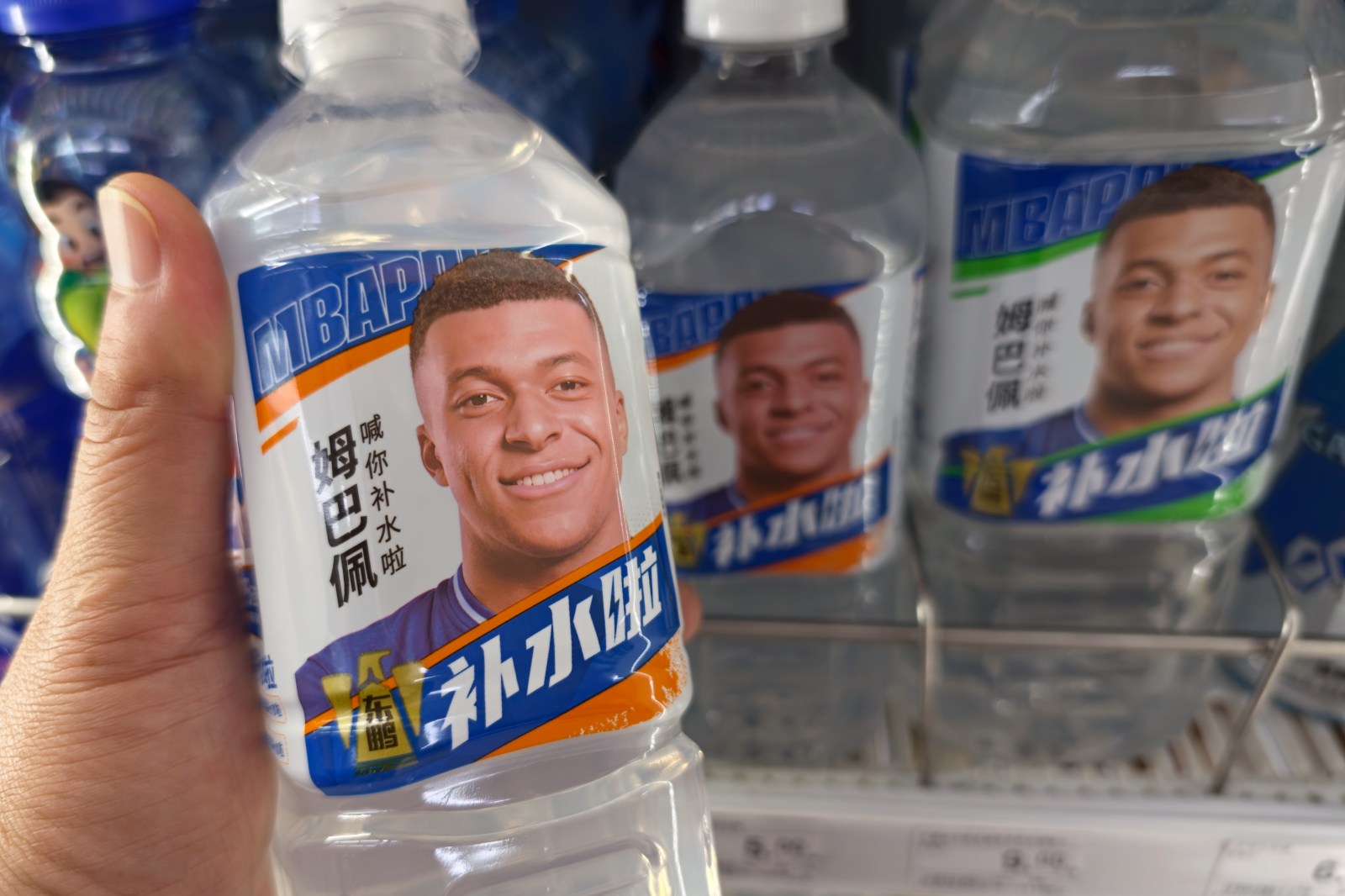
Mbappé experienced immediate consequences for his remarks. At least three Chinese companies canceled agreements with him, affecting his income significantly. China provided around $30 million annually from his commercial ventures. A permanent break with the Chinese market could cost him over $100 million.
Real Madrid also felt economic pressure. Up to 15 percent of its international merchandising revenue comes from China. La Liga, Spain’s top soccer league, generates nearly one-third of its income from media rights, with China as a crucial market. These stakes led to swift apologies from Mbappé, La Liga, and Real Madrid.
Historical Examples of China’s Influence
Mbappé’s situation is not unique. In 2018, John Cena apologized to China for calling Taiwan a country, preserving his movie’s financial interests in China. In 2019, James Harden apologized for his general manager’s remarks supporting pro-democracy protests in Hong Kong. Marriott International also apologized for a questionnaire listing Tibet and Taiwan separately from China.
These incidents illustrate China’s monetary influence on Western entities. China’s approach limits public discussions about Mao and emphasizes its control over historical narratives.
The Impact of Censorship
China’s leaders are cautious about Mao’s legacy. While they acknowledge his faults, public debate on these matters is restricted. The Party controls narratives to protect its legitimacy and prevent alternative historical views from gaining traction.
Mbappé’s interview, filmed months earlier, gained attention after a condemnation by Dongqiudi, a Chinese soccer forum. Chinese users reacted with curiosity, utilizing VPNs to learn about Mbappé’s comments. State news outlets have been careful in reporting the incident without fully disclosing his comments.
China’s Strategy and Global Influence
Some within China feel leaders missed a chance to reshape Mao’s image globally. However, China prefers silence over potentially negative discussions. On Weibo, a search for “dictator” showed no results related to Mbappé, while his name revealed criticisms from Chinese media.
Western commentators may discuss Mao, but China controls how he is perceived within its borders. The incident demonstrates China’s strong influence over international brands, showcasing its power over speech and historical narratives.