
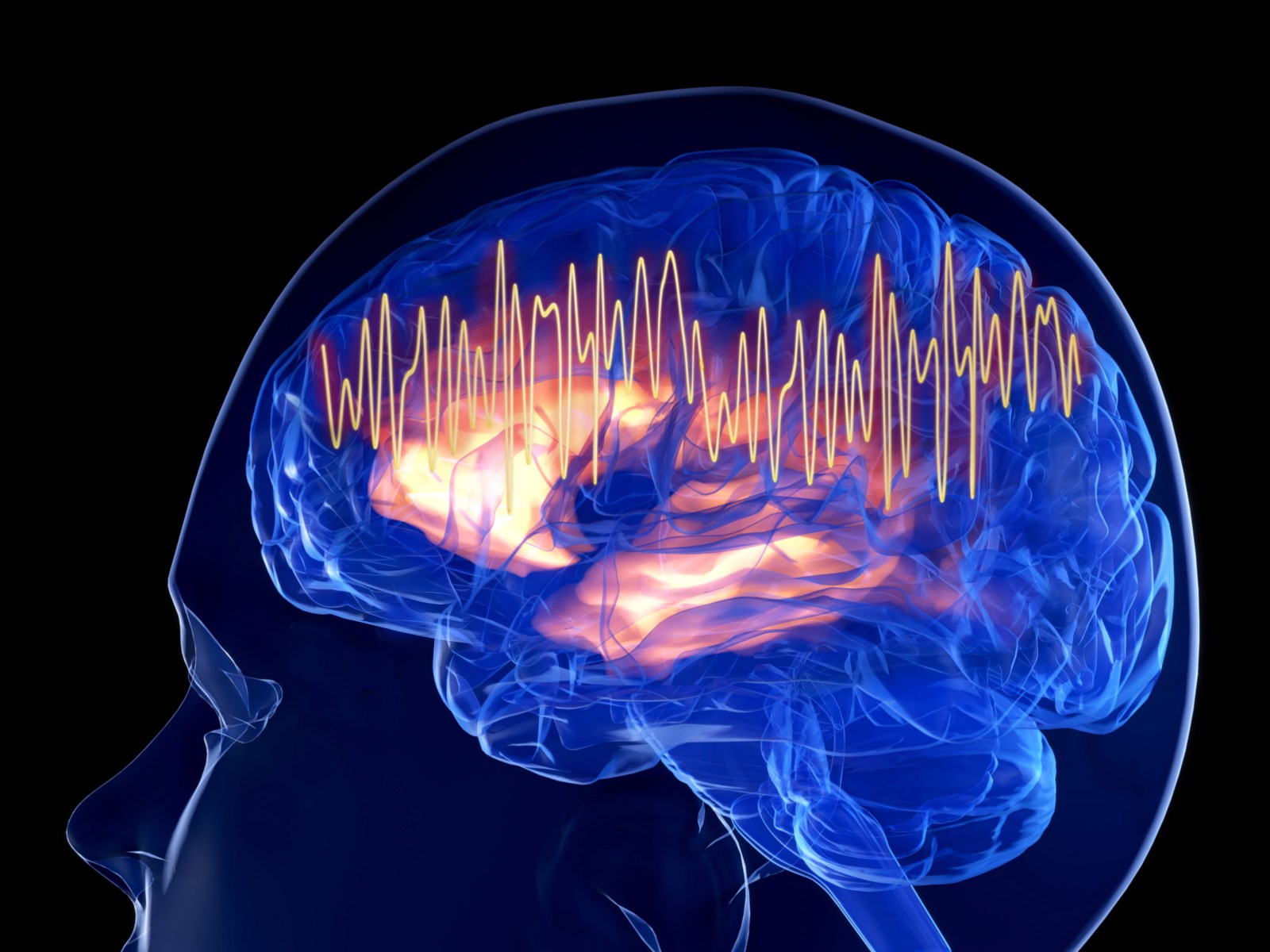
Recent research indicates that adults who experienced childhood trauma might have a higher tendency to exhibit apathy later in life. This condition is connected to alterations in a brain region primarily linked with memory functions.
I have been seeing this in my practice for years and the new research supports it,
Matthew Leahy, a licensed clinical psychologist not involved with the study, explained to Newsweek. He pointed out how these findings can reshape perceptions of apathy in trauma survivors from youth. What can look from the outside like laziness, disengagement or a lack of effort may actually involve changes in how strongly someone anticipates or responds to reward,
he stated.
‘Inability to Experience Joy or Pleasure’
The study, conducted by researchers from Temple University and the University of Oregon, establishes that childhood trauma is linked with apathy and anhedonia—the inability to feel pleasure. The Cleveland Clinic defines this as the inability to experience joy, associated with feelings of numbness or disinterest in previously enjoyed activities. It is often a symptom of mental health conditions like depression.
The association appears strongest in individuals with disrupted activity in the hippocampus, a brain area commonly tied to memory but now observed in motivation links.
Study Overview
The researchers surveyed 92 individuals, including 37 men and 55 women, examining their childhood experiences and their capacity to derive pleasure from positive events in adulthood. The group was intentionally selected to have a higher frequency of anhedonia-prone individuals. Although the sample size is relatively small compared to other studies, it provides significant insights.
Participants underwent functional MRI scans to track brain activity through blood flow changes. The focus was on the hippocampus and its interactions with brain regions involved in reward and motivation, such as the ventral tegmental area and the nucleus accumbens. Both resting connections and hippocampal responses to new experiences during tasks were evaluated.
Key Findings
The study found that participants with childhood trauma were generally more prone to apathy. However, the most pronounced effects were seen in those with weaker hippocampal connections to reward-related brain areas. In these cases, reduced hippocampal activity and diminished signaling to the reward system correlated with higher anticipatory anhedonia—difficulty looking forward to enjoyable events.
Study co-author Vishnu Murty emphasized that this research is among the first
to link the hippocampus to apathetic behavior in humans, beyond its role in memory. The team aims to pinpoint a specific target within the hippocampus to help restore pleasure ability post-childhood trauma.
Expanding Views on Trauma
Leahy highlighted that the findings expand trauma discourse beyond fear and anxiety. We’ve thought a great deal about trauma in terms of the brain’s threat systems,
he said. This research adds to the picture by showing that trauma may also affect the systems involved in motivation and the expectation that something positive will feel rewarding,
he further elucidated.
He cautioned against interpreting the results as definitive. The study has fewer than 100 participants and shows an association, not causation, between trauma and lasting brain changes. Having childhood trauma does not mean someone is destined to develop apathy or anhedonia,
Leahy clarified. What it does give us is another potential pathway for understanding why people respond so differently to early adversity—and, eventually, potentially another target for treatment.