
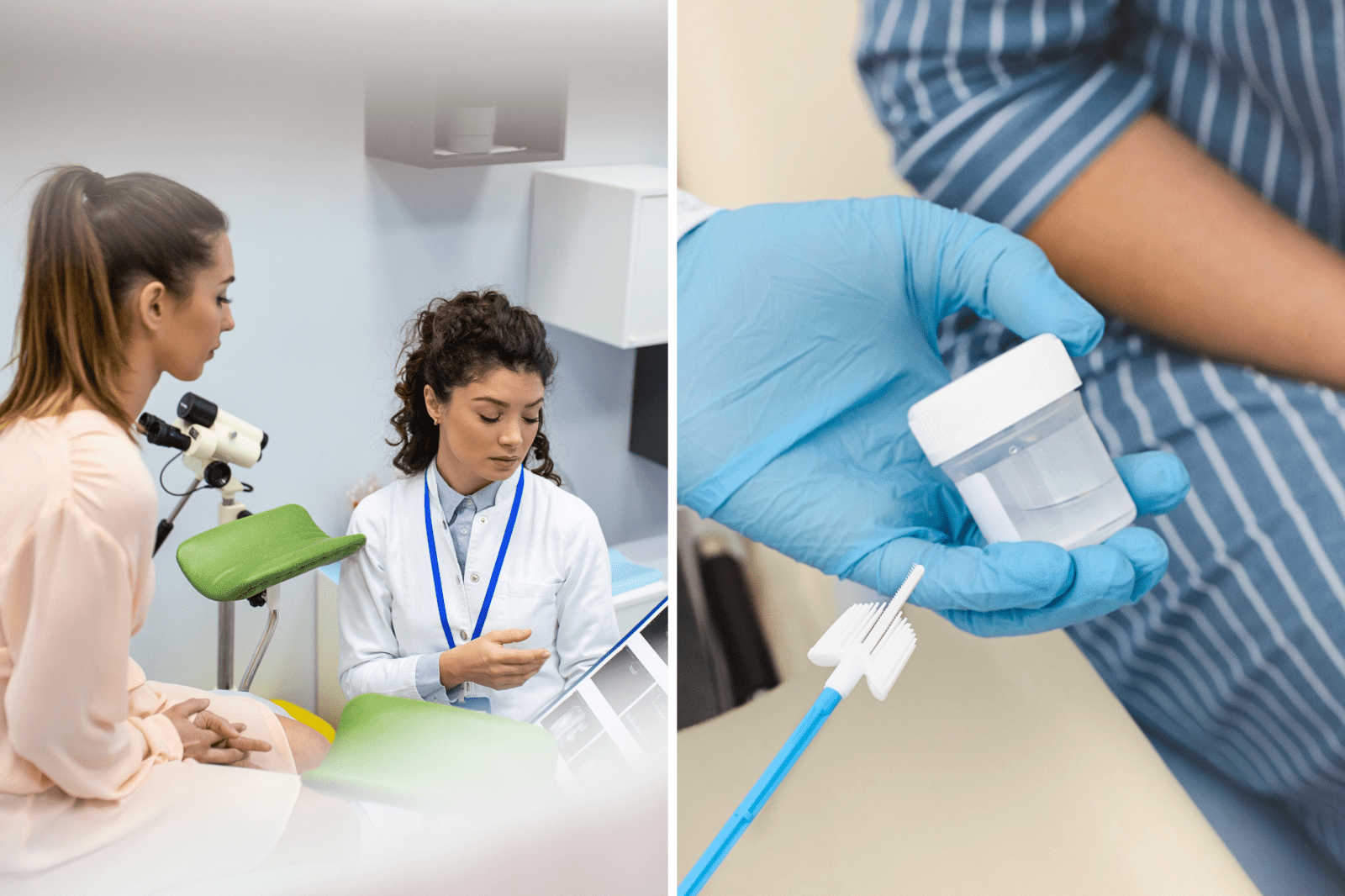
A recent national study highlights a concerning trend: nearly one in three young American women have never been screened for cervical cancer. Over the past 20 years, this number has more than doubled, despite screening being a proven method to prevent a disease that claims approximately 4,000 lives each year in the U.S.
Published in JAMA Network Open, the study reveals that the percentage of women aged 21 to 29 who have never undergone cervical cancer screening increased from 12.5% in 2005 to 31.9% in 2023. This means that the population of unscreened young women rose from about 3.5 million to 6.2 million, with the most significant increase after 2010.
Guidelines for Cervical Cancer Screening
Major medical organizations recommend HPV-based screening due to its effectiveness in detecting cervical cancers.
- USPSTF (U.S. Preventive Services Task Force):
- Under 21: No routine screening.
- Ages 21-29: Pap test every 3 years.
- Ages 30-65: Pap test every 3 years, primary HPV test every 5 years, or HPV/Pap co-testing every 5 years.
- Over 65: Screening generally stops with adequate prior screening and no high-risk history.
- American Cancer Society (ACS):
- Ages 25-65: Primary HPV testing every 5 years is preferred. Acceptable alternatives include HPV/Pap co-testing every 5 years or Pap test alone every 3 years.
- Stop at 65 with adequate normal results and low risk.
Screening Gaps in Older Women
This issue extends beyond young women. The study found that the proportion of women aged 30 to 65 who had never been screened increased from 5.3% to 14.8% from 2005 to 2023. This demographic is crucial, as it encompasses the ages when cervical cancer risk peaks. Women unscreened for years risk being diagnosed at a later stage.
Data from nine cycles of the National Health Interview Survey between 2005 and 2023 were analyzed, along with statistics from U.S. Cancer registries from 2001 to 2023.
HPV Vaccination Rates
The study also notes low HPV vaccination rates among younger women, exacerbating risks. Between 2008 and 2019, vaccination rates for women aged 21 to 29 increased from 5.7% to 54.0%. However, 8 million women in this group, or 45.5%, remain unvaccinated. Nearly a third of these unvaccinated women have never been screened.
Additionally, from 2017 onwards, cervical cancer cases diagnosed at regional and distant stages increased by over 2% annually among women aged 30 to 65. Although direct causation cannot be established, the data raises alarm.
Disparities in Screening
The study highlights disparities in screening based on race, insurance status, and geography. Women from minority racial groups, those without health insurance, and residents of Southern states are more likely never to have been screened. These groups face higher rates of late-stage cervical cancer and related mortality, potentially worsening health inequities.
The research acknowledges limitations, such as self-reported screening data, which might include recall bias. Additionally, HPV status wasn’t available in health surveys or cancer registries. The study aims to highlight trends for further investigation rather than establish causation.
Cervical cancer is largely preventable through vaccination and regular screening. Addressing screening gaps, especially for young women and marginalized groups, remains essential for public health.