
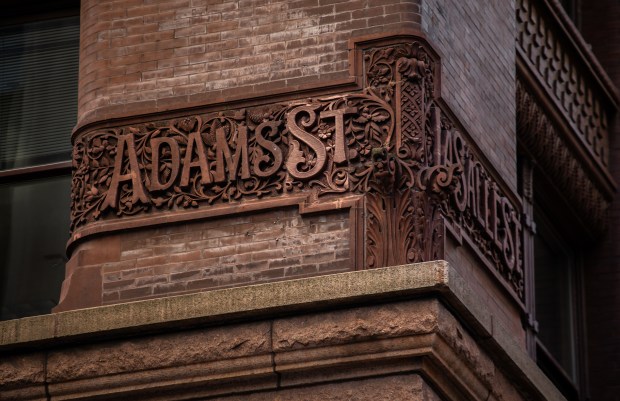
Brick plays a vital role in shaping the architectural identity of Chicago. Since the 1871 disaster, brick has been predominantly used in building structures across the city. Common residential types like workers’ cottages and bungalows have mostly utilized brick for construction.
Even Ludwig Mies van der Rohe, known for modern glass and steel designs, chose brick for his first high-rise, the Promontory Apartments, in 1949. Brick holds fundamental significance in architecture, derived from earth, shaped to fit the human hand, and processed to ensure permanence. When stacked, bricks form walls that provide strength and beauty.
Bricks naturally connect buildings to the human scale in construction, evident in many classic Chicago buildings. Prominent examples include The Rookery, the Monadnock, and the Marquette Building. Architect Frank Lloyd Wright often chose Roman brick which complemented the elongated design of his structures, notably the Robie House in Hyde Park.
Design quality is not inherently guaranteed with brick use. Many structures in the city lack aesthetic interest despite brick cladding. Thoughtful design and detailing enhance brick’s architectural history and elevate building status.
Recent promising brick-faced projects include:
- A 66-unit building at 1201 W. Kinzie St. designed by Dirk Denison Architects. It employs setbacks to manage its mass and aims for quality with glazed brick, noteworthy windows, and bronze railings.
- A 59-unit block at 1728 N. Clybourn Ave. by Eckenhoff Saunders. It incorporates large windows reflecting industrial history and uses color and balconies to segment mass.
- A 2237 W. Roscoe St. building by En Masse Architecture and Design with a+c architects. The structure showcases a substantial appearance fitting for brick, despite alterations to initial design elements.
- A minimalist design by Studio Dwell at 2724 N. Lehmann Court, replacing a three-flat while maintaining neighborhood scale.
- A classical composition at 2758 N. Mozart St. designed by Chicago Common Studio and Gansari & Associates with unique interior configurations.
- A transit-oriented development at 1515 and 1607 W. 63rd St. in West Englewood designed by Beehyyve L3C and Alligood Song. These triangular structures feature elegant brick and glass design.
While promising, these projects reflect a cautious design approach. Chicago’s renowned architects—John Wellborn Root, Daniel Burnham, Frank Lloyd Wright, and others—set high standards. These new brick projects may not reach such heights but contribute positively to architectural quality.
Edward Keegan covers architectural subjects through writing, broadcasting, and teaching. His columns received support from a grant linked to Blair Kamin and are managed by Journalism Funding Partners. Editorial control remains with the Tribune.