
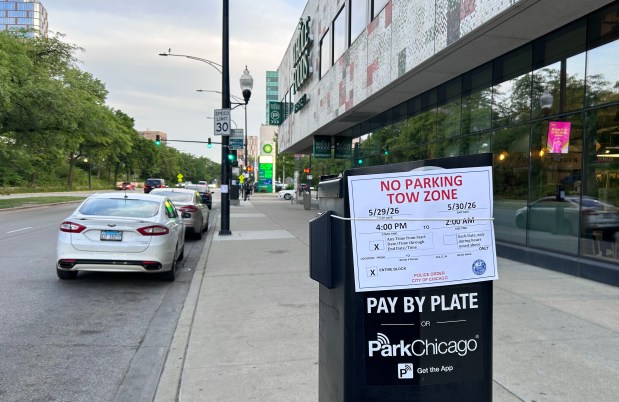
Chicago aldermen are seeking legal advice and more information as they prepare to decide on a significant sale of the city’s parking meters. A growing question at City Hall amid legal uncertainties is whether the City Council can amend the much-criticized privatization deal. Alderman Andre Vasquez stated, ‘I don’t know,’ suggesting that uncertainty should prompt a pause.
Vasquez, with 13 other aldermen, sent a letter to Stonepeak Partners, a New York investment firm planning to purchase the lease from Chicago Parking Meters LLC. This group of aldermen, representing a broad range of political ideologies but including many progressives, expressed concern about Stonepeak’s ownership of Omni Air International, a subsidiary that conducts long-haul deportation flights for the federal government.
“Chicago’s values as a welcoming city require that public institutions and those who operate public assets consider the broader human impact of their partnerships and investments,” the letter stated.
The aldermen demanded Stonepeak provide details on any immigration enforcement ties and its plans for parking meter data. They also want Chicago residents, who oppose the 2008 deal by former Mayor Richard M. Daley, to have a say in the transaction. This move signals to the company that City Council members believe they have the right to approve or reject the deal, potentially using it to negotiate concessions. Whether or not they possess this leverage is central to discussions in City Hall.
The $1.15 billion received by Chicago for a 75-year lease of the parking system, after only three days of discussion, is small compared to revenues for its private owners, Morgan Stanley and Deeside Investments. According to a recent audit, the system generated $189 million last year and over $2 billion total since the sale, while limiting the city’s ability to make significant road changes that affect parking.
Some aldermen believe they have leverage based on two clauses: one allowing aldermen approval of any sale, and another considering the “background and reputation” of potential operators. However, the well-funded buyer and sellers may argue the city must approve as long as a purchaser is deemed capable, which Stonepeak might satisfy. Blocking a deal could lead to a significant lawsuit.
Mayor Brandon Johnson has remained largely neutral, though he noted aldermen have minimal scope to review the buyer. His administration, which signed a confidentiality agreement, argues it has not withheld information from aldermen. Johnson’s team claims to have shared information at the earliest opportunity and adhered to nondisclosure terms.
A group of 22 aldermen criticized Johnson for not promptly involving a larger group before committing to the confidentiality agreement. Despite the legal back-and-forth, a majority of aldermen have expressed skepticism or a commitment to a “no” vote, notably due to Stonepeak’s deportation flight connections.
In response to Johnson’s stance, Alderman Gilbert Villegas called the deal non-negotiable, highlighting he’s against it merely because he opposed the initial agreement. However, Villegas stated he expects the mayor to secure enough votes if necessary, but he’s among those committed to voting ‘no.’
Aldermen such as Bill Conway and Red Burnett have suggested redirecting attention to evaluating whether the deal benefits taxpayers. While an ultimate decision remains pending, they emphasize a careful examination by independent advisors over reliance on the mayor’s office.