
Chevron CEO Mike Wirth highlights the serious risks to global energy supplies amid growing geopolitical tensions. In a conversation with Maria Bartiromo on ‘Sunday Morning Futures,’ Wirth covers issues of oil market instability, rising gas prices, and the critical importance for Congress to pass permitting reform. He underlines the role of US production in stabilizing international markets.
Amid escalating tensions in Iran and continued Houthi attacks on Saudi oil facilities, Wirth identifies tangible risks to the global oil industry. Oil prices have climbed as President Donald Trump halts US strikes against Iran and as Saudi Arabia works to form an international coalition to secure key shipping routes.
Wirth states that several important waterways, including the Strait of Hormuz, the Red Sea, and the Black Sea, face increasing uncertainties. He expresses concern over expanded challenges and real risks to global supply during his appearance on ‘Sunday Morning Futures.’
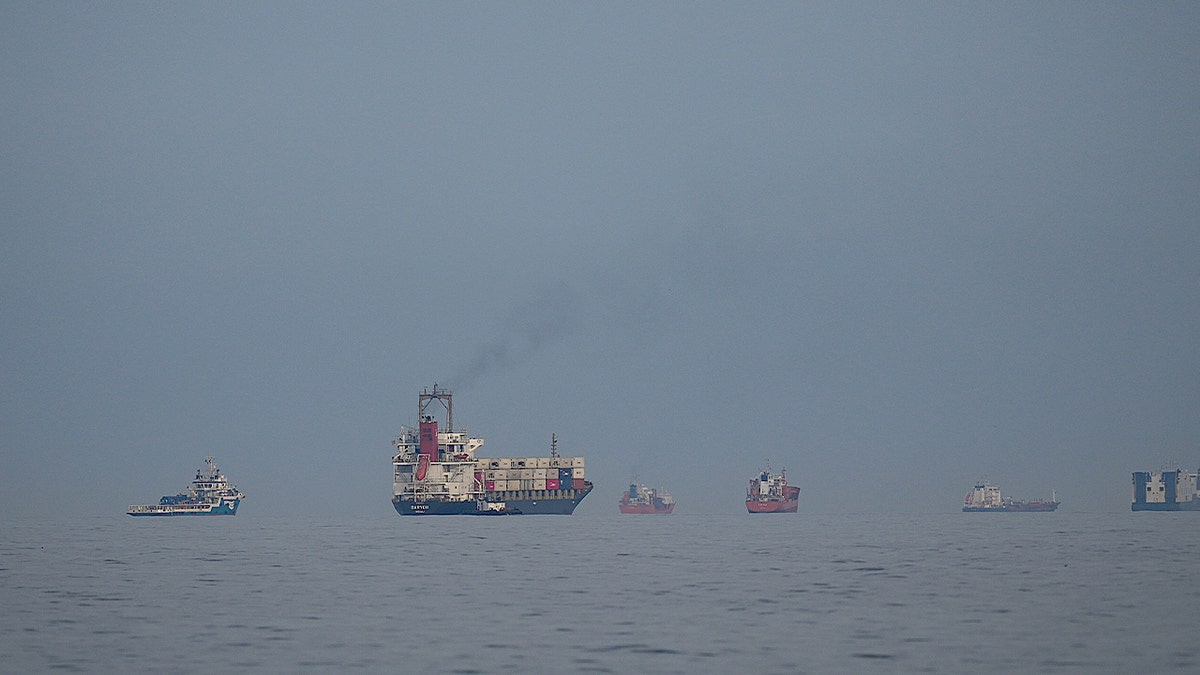
Oil tankers and cargo ships in the Strait of Hormuz as viewed from Khor Fakkan, U.A.E., highlight the significance of this crucial trade route. (AP Photo/Altaf Qadri)
Global oil demand remains robust, but Wirth perceives energy markets as fragile in light of prolonged US-Iran tensions and declining world inventories. He stresses the pressure on the world energy system and the urgent need for steady supply flow to markets and consumers.
The Strait of Hormuz, a vital trade route, is a focal point in the conflict between the United States and Iran. Presently, only a limited number of vessels pass through daily.
Houthi attacks on the Red Sea, another key Middle East shipping route, have intensified worries about its dependability.
Satellite imagery of Bab el Mandeb Strait, a pivotal shipping channel, as Iran threatens to close access via Yemen’s Houthi allies. (Nasa Worldview/Handout via Reuters)
Wirth acknowledges that energy assets being targeted in these conflicts worsen the energy system’s ability to meet global demand. The timeline for market stability will partly depend on how quickly damaged infrastructure can be repaired and supply be restored.
Current US crude oil prices stand at around $84 per barrel, with the national average gasoline price reaching $4.09 per gallon, up nearly $1 from last year’s average of $3.15, as reported by AAA.
Despite geopolitical challenges, Chevron’s production has increased by 20% compared to the previous year, with a 5% rise from Q1 to Q2 of 2026. The company has set a new record by producing over 2 million barrels of oil in one day, marking a historical high for the US.
Wirth mentions Chevron’s exploration of new projects in Iraq to mitigate risks related to Middle East shipping routes. The company considers establishing oil fields and constructing a pipeline to transport oil through a northern pathway to the Mediterranean Sea, avoiding the Strait of Hormuz.