
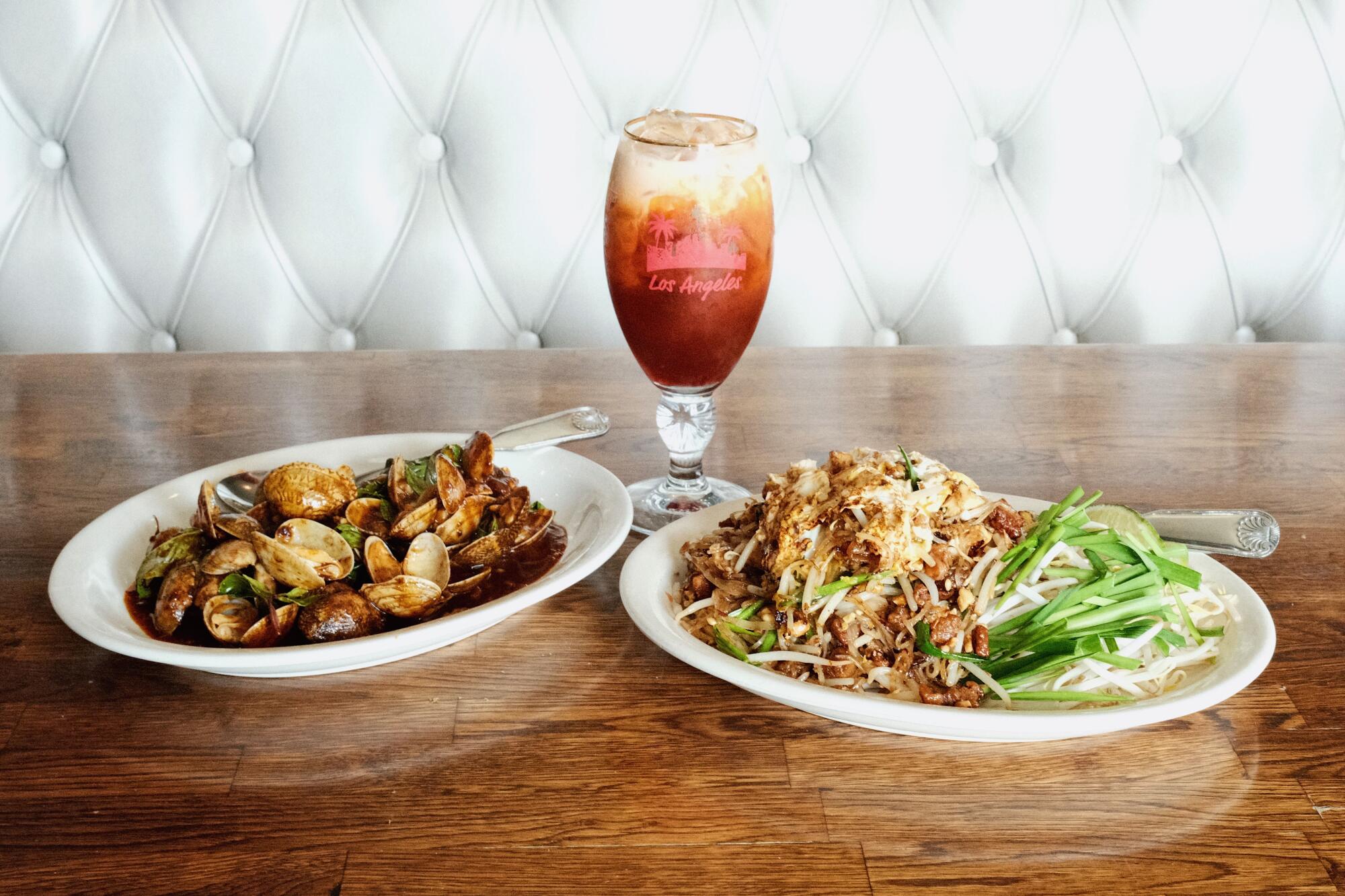
A Thai Town restaurant, Hollywood Thai, encountered an issue involving a social media influencer. They paid $500 and provided a meal in the hope of getting a social media post in return. When the post didn’t appear promptly, the restaurant shared their frustrations on Instagram. This action triggered significant online attention, with many calling out the influencer, who has an extensive following.
The norms aren’t clear when family-run establishments collaborate with influencers to market their businesses. Recent disputes have shown the complexity and challenges small restaurants face in leveraging social media for survival in an industry with tight profit margins.
Marketing Challenges for Restaurants
Some restaurant operators believe influencers help boost visibility, while others doubt the tangible impact on customer numbers. For example, Mahidol ‘Joe’ Pimpa’s Hollywood Thai felt a dip in business post-pandemic. They decided to work with influencers, paying $500 plus $100 in free meals. However, the influencer, Christian Garcia, delayed posting content, leading to a social media backlash.
Garcia claimed that he was granted time to edit the video, which Pimpa denied. Misunderstandings ensued, with Garcia involving his attorney after feeling defamed. Pimpa stated they won’t pay influencers in the future and will focus on providing food alone for marketing efforts.
Garcia’s Perspective
Garcia explained his delays as technical and personal, expressing the incident as messy and emphasizing he delivered on his promise. He faced hateful comments and reiterated that Hollywood Thai avoided highlighting his apology. Despite the dispute, he’s altering his approach by requiring contracts for future postings.
Other Incidents Unfold
Other establishments faced similar situations. Doris Hess, co-owner of Relentless Brewing and Spirits, had issues with influencer Richard Lee, who delayed posting agreed content. Lee eventually apologized and refunded $1,500, acknowledging his mistakes. He posted the promised content with sincerity.
An Echo Park restaurant, Men & Beasts, also dealt with non-fulfillment when influencer Leah Marie Talabi took a meal but didn’t publish agreed posts, impacting their financial outlook. Despite initial promises, she only posted temporary stories. The restaurant reached out to verify her claims, finding discrepancies in her audience reach.
The Road Ahead
Despite setbacks, both Men & Beasts and other eateries express willingness to continue using influencers to attract new clients, albeit with more careful selection. Independent businesses rely heavily on social media posts, often made by diners or contributors, to draw in patrons. Establishing contracts and selecting reliable influencers remain crucial for fostering beneficial collaborations.
Small eateries, like Men & Beasts, strive to strike a balance between influencer engagement and audience research. They continue seeking connections that provide genuine exposure without straining limited marketing resources.