
Impact of Hurricane Helene: A Year in Review
One year after Hurricane Helene devastated parts of North Carolina, many families are still grappling with the aftermath. Some who lost their homes have struggled through FEMA’s complex aid process. Surprisingly, wealthier families in certain counties received significantly more assistance compared to lower-income households.
Disparities in FEMA Aid Distribution
Reports indicate that in some North Carolina counties, homeowners with higher incomes received up to three times more FEMA housing assistance than lower-income individuals. FEMA, under the Trump administration, has experienced cuts in staffing, which reportedly include reductions in the team meant to improve the online application process.
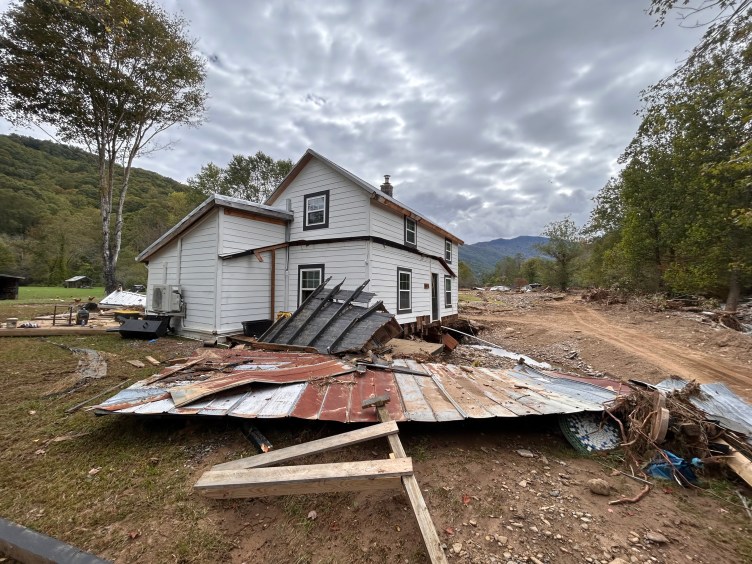
Slogging through thick mud and debris, Brian Hill witnessed the chaos left by Hurricane Helene.
For Brian Hill and his wife, Susie, the devastation was personal. Their century-old farmhouse near Cattail Creek was engulfed by floodwaters, destroying their dream home just a year after purchasing it.
Without flood insurance, they, like others, turned to FEMA for assistance. After months of effort, the Hills managed to secure nearly $40,000 in assistance from FEMA. However, others faced challenges — some applications were withdrawn or denied due to bureaucratic issues.
The Complex Difficulties of Navigating FEMA
Navigating FEMA’s application process can be daunting, especially for lower-income individuals who may lack the time or resources. An analysis by ProPublica and The Assembly revealed income disparities in counties affected by Helene, particularly in Yancey County.
Households in higher-income brackets, like the Hills, had more flexibility and resources to pursue aid due to job stability, helping them secure more assistance. This trend contrasts with others who faced insurmountable challenges in accessing aid.
Income Inequities and Assistance Distribution
The analysis showed stark disparities where higher-income homeowners received significantly more aid. Despite FEMA’s goal of providing equal assistance for home repairs, discrepancies remain a concern.
Experts highlight biases in damage assessments and the challenges faced by lower-income households, exacerbated by FEMA’s documentation requirements and arduous appeals process.
Michelle Parker struggled to get FEMA assistance for rental aid after losing her home.
Challenges of Disaster Recovery
Michelle and Jeff Parker’s story further exemplifies the challenges faced by disaster survivors. Flooding after Helene forced them to reconsider rebuilding efforts, but pursuing aid for rental assistance remains a struggle, compounded by personal loss.
The Parkers’ journey highlights the difficulties lower-income individuals face in navigating FEMA’s support systems, especially when compared to those with more financial resources.
Systemic Barriers to Equitable Recovery
Research and reports underscore systemic barriers in disaster recovery, pointing to intricate aid processes and bureaucratic hurdles. FEMA’s complex requirements and inconsistencies in payouts continue to pose challenges.
FEMA has attempted improvements but continues to face criticism for its response capabilities, particularly following workforce reductions.
Rebuilding with Community Support
The Hills are actively rebuilding their home, aided by FEMA support and community help. Volunteers and donations have played a critical role in their recovery process, allowing them to move closer to normalcy.
Michelle Parker, however, continues to struggle with housing challenges, relying heavily on community and nonprofit support while awaiting long-term solutions.
A Year Later: Reflecting on the Path Forward
As the anniversary of Helene’s devastation passes, families like the Hills and Parkers navigate new realities shaped by both federal aid and community generosity. The journey to recovery highlights broader issues of income inequality and the effectiveness of disaster response.
While FEMA faces scrutiny and calls for improvement, local and non-profit interventions continue to be vital in supporting affected individuals on their path to rebuilding and recovery.