
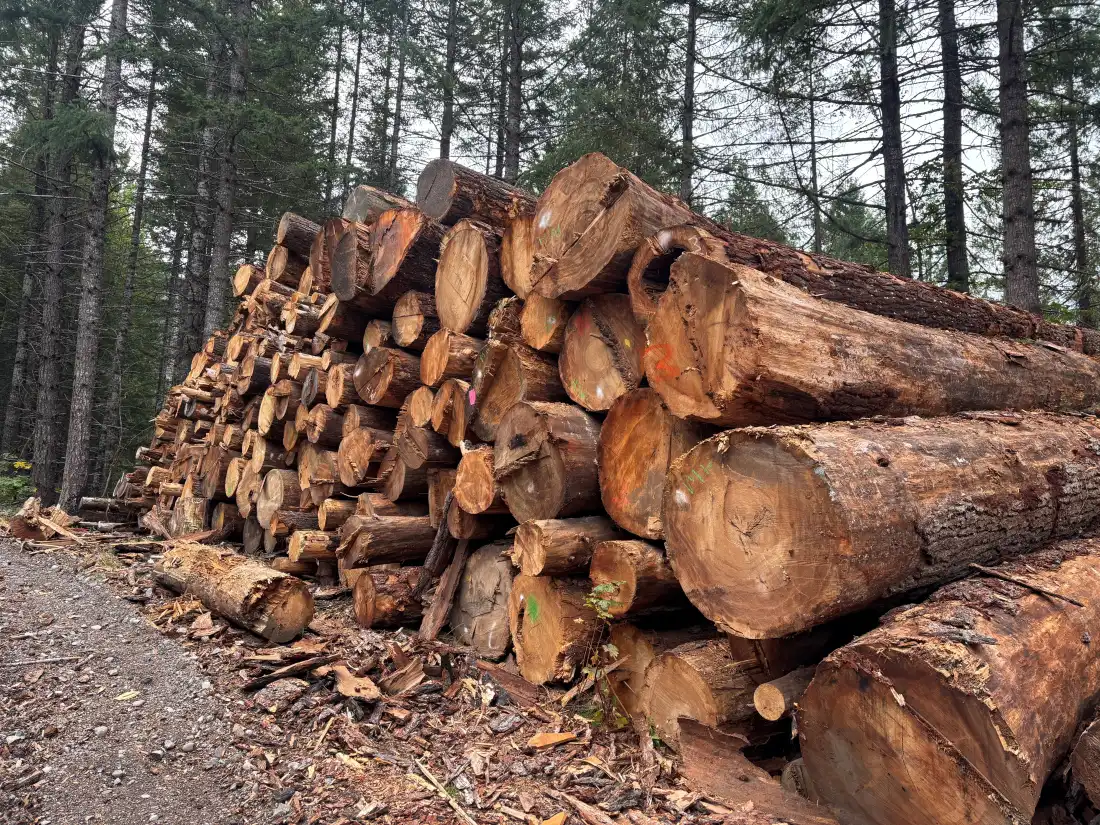
In Eugene, Oregon, President Trump’s anticipated move to open up approximately 44 million acres of national forests is seen as a way to revitalize timber jobs in struggling communities and reduce wildfire risks by addressing overgrown areas.
Timber Industry’s Current Challenges
The expected repeal of the Roadless Rule aims to remove restrictions that have limited logging projects since 2001. While some in the timber industry, like Sean Smith of Starfire Lumber, see potential local benefits in terms of a reliable timber supply, they highlight pressing issues overshadowing these gains.
Key challenges include high diesel prices, attributed to tensions with Iran, and overall inflation which raises costs for equipment and materials. Reversing the Roadless Rule is not the immediate solution industry leaders prioritize.
Impact of Roadless Rule Repeal
While some advocate for the increased flexibility that could result from the repeal, legal and bureaucratic obstacles remain a barrier to executing forest management plans. The shortage of workers willing to engage in logging jobs due to low wages is another significant issue.
Jeff Brink, from Brink Land Development, describes the timber industry’s contraction since the 1980s. Recent closures of multiple mills in Oregon underline the fragile state of local infrastructure required for a potential boost promised by federal policy changes.
Concerns from Environmental Groups
Environmental advocates express skepticism about claims of enhanced wildfire mitigation through new logging efforts. Retired firefighter Timothy Ingalsbee argues that increased road building may exacerbate rather than prevent wildfires. He accuses the administration of prioritizing ideological goals over genuine economic or environmental concerns.
Political Landscape and Industry Sentiments
The lack of Congressional action on federal forest lands, combined with reliance on executive orders, results in fluctuating policies that create instability. CEOs like Sean Smith express frustration over federal policies’ inconsistency and its impact on business planning and sustainability in the long term.