
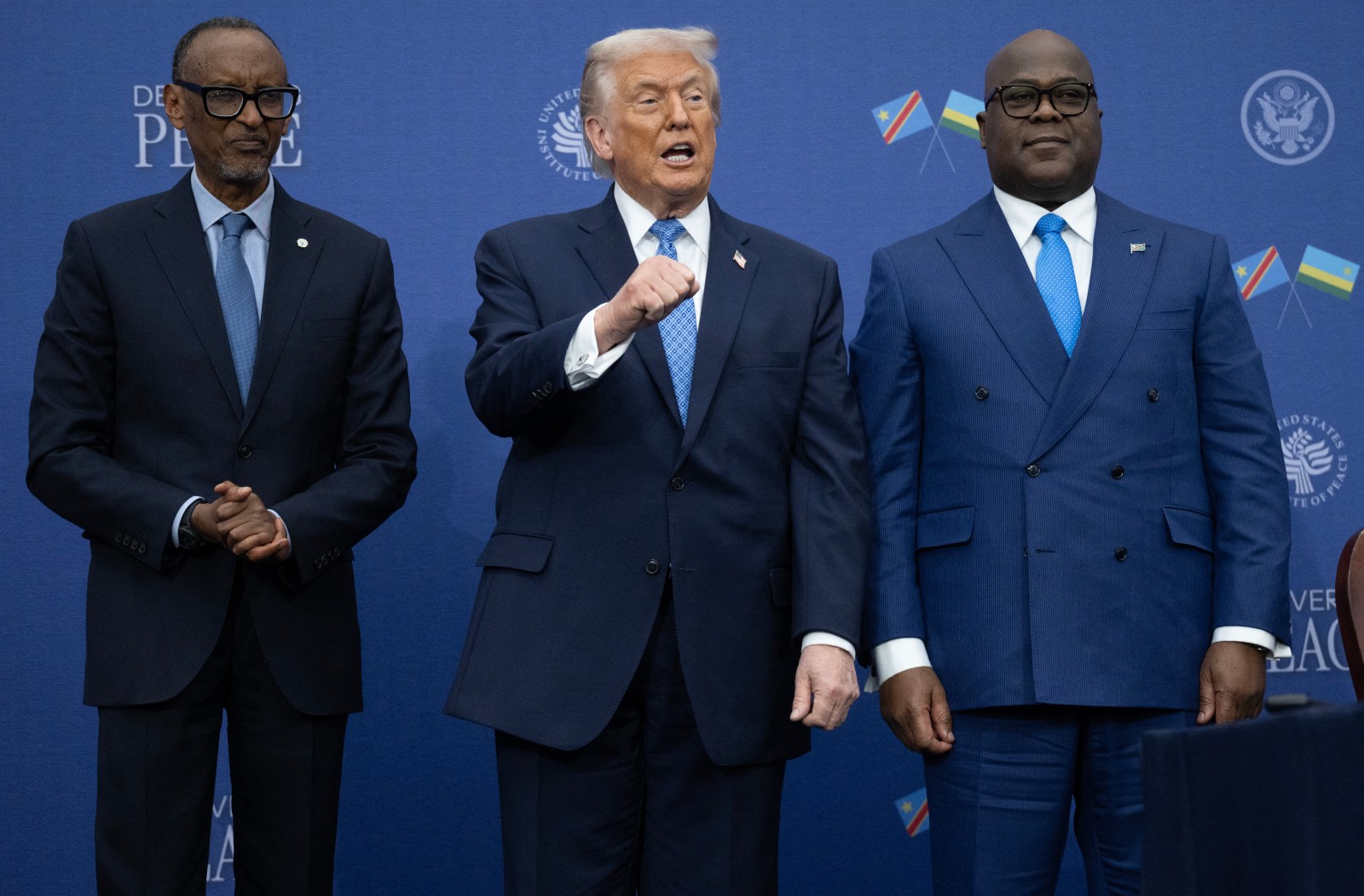
Nearly a year after Congo and Rwanda signed a U.S.-backed peace agreement, efforts to bring peace to Africa’s Great Lakes region are stalled. To maintain the Washington Peace Accords, the U.S. must encourage its Congolese partners to fulfill their agreements.
The U.S. has been critical of Rwanda and its M23 allies. Rwanda supported a military offensive by M23 to capture Uvira, a significant city in South Kivu, as President Donald Trump was hosting Congolese President Félix Tshisekedi and Rwandan President Paul Kagame to discuss peace prospects. This move undermined U.S. efforts to mediate peace in the ongoing regional conflict and incentivize peace with significant U.S. investments.
The U.S. reacted strongly, executing some of its most severe actions against Rwanda in over ten years. In early March, Washington implemented sanctions and visa restrictions on top Rwandan officials. By late April, the Treasury Department had sanctioned former Congolese President Joseph Kabila for his support to M23, and it’s reported that the State Department denied Kagame a visa for a Harvard University event. Additionally, Rwanda’s national army, a major entity in the country, became only the second African national army to face U.S. sanctions.
Conversely, Tshisekedi and the Congolese government have gained favor with the Trump administration. After significant negotiations, Congo concluded a comprehensive strategic agreement with the U.S. in December, granting U.S. businesses access to the Copperbelt and redirecting Congolese mineral exports toward the Atlantic via a U.S.-funded railway. Congo also aligned with U.S. immigration policies, agreeing to accept deportees from Latin America and potentially the Middle East.
Despite appearances, Congo’s commitment as a peace partner is questionable. While M23 has conceded ground since December, the Congolese army has increased drone and ground attacks, resulting in civilian casualties. In negotiations mediated by Qatar, Kinshasa has delayed confidence-building measures on questionable grounds.
Significantly, Congo continues to support nonstate armed groups. Congolese army officials have undermined disarmament efforts, and the government funds militias attacking M23. This includes the Democratic Forces for the Liberation of Rwanda (FDLR), linked to the 1994 genocide, which Kinshasa has recently strengthened ties with. Without pressuring Kinshasa, the U.S. undermines its peace initiatives and risks alienating regional partners.
Tshisekedi lacks incentives for genuine negotiation, viewing M23 as a military adversary. U.S. support bolsters Tshisekedi’s viewpoint. Conversely, Rwanda and M23 view the peace process as biased. Kagame criticized the U.S., stating Rwanda would not surrender. These perceptions prevent meaningful peace efforts.
The U.S. risks enabling a controversial power move that threatens its long-term relationship with Congo. Tshisekedi uses ongoing conflict to justify constitutional changes delaying elections and cracking down on the opposition. This endangers the partnership if Tshisekedi’s power wanes, given Congo’s instability.
The U.S. must intensify pressure on Congo, especially regarding the Washington Accords. The administration should insist on ending collaboration with FDLR and launching operations to neutralize it. Targeted sanctions on obstructive Congolese officials and suspending defense cooperation until compliance is necessary.
The Qatari-led negotiations are crucial. The Trump administration must urge Kinshasa to negotiate sincerely and agree on M23’s transitional control over current territories. Washington should aid Tshisekedi in managing domestic repercussions through the minerals partnership.
For lasting peace and prosperity, accountability from all parties is essential. While the U.S. has applied pressure on Rwanda, Congo’s actions are jeopardizing progress. To achieve peace and maintain beneficial partnerships, decisive action is required from U.S. officials.
Liam Karr is the Africa team lead, and Yale Ford is an analyst for the Critical Threats Project at the American Enterprise Institute. The views expressed are their own.