
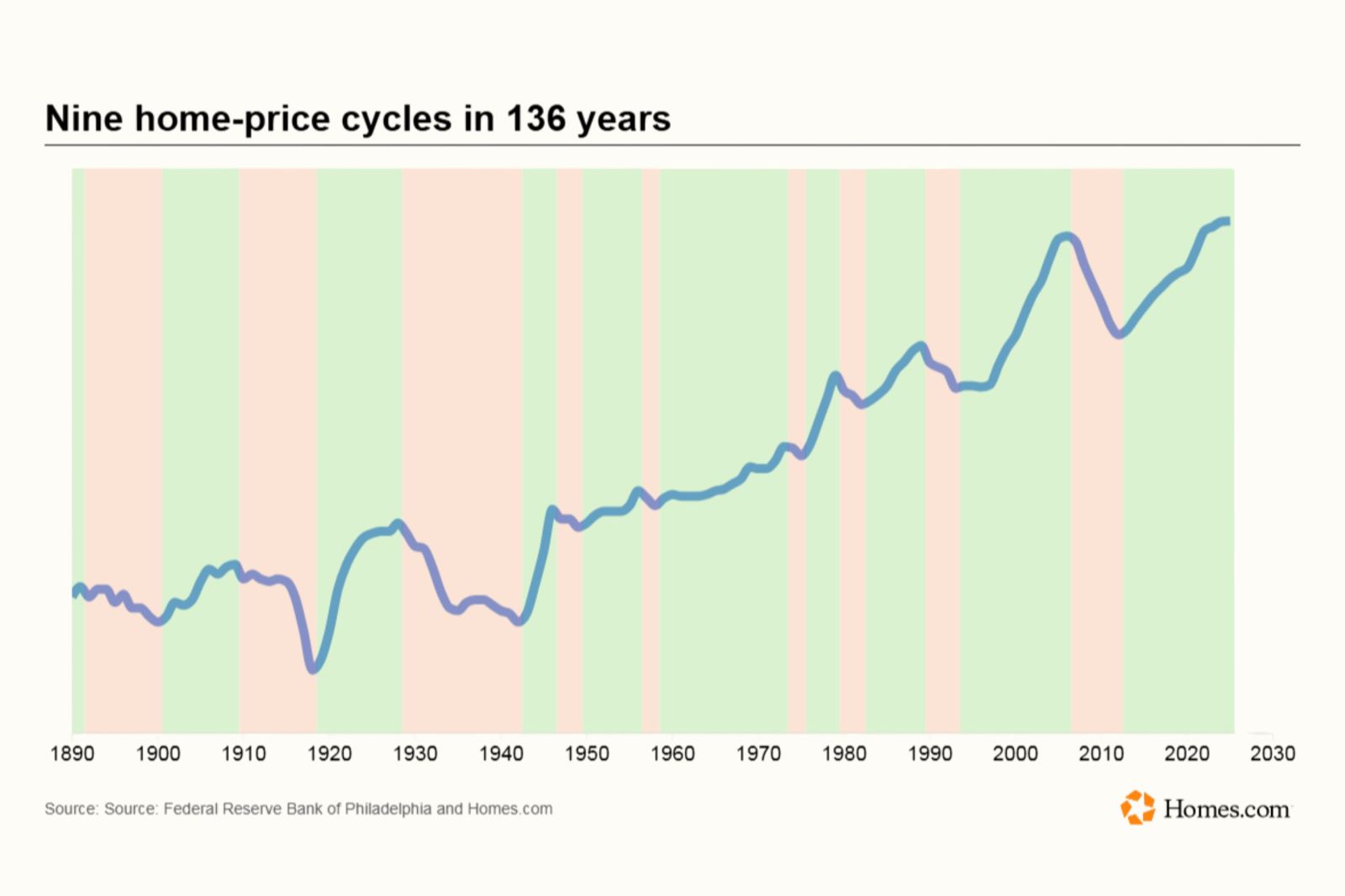
The U.S. housing market is experiencing significant challenges, with experts noting unprecedented conditions affecting homeownership. Since 1776, the nation has not seen such a struggle among Americans trying to become homeowners, largely due to a growing gap between wages and home prices.
The Housing Market in Context
Home prices have increased by approximately 60% since the COVID-19 pandemic began, according to JP Morgan data. Mortgage rates have remained at historically high levels since 2022, contributing to a decline in the homeownership rate, which reached its lowest point since 2019 last year at 65%, as reported by the Census.
“I think right now the housing market is pretty unprecedented,” said Daryl Fairweather, chief economist at Redfin. “We have the highest home prices on record, along with relatively high mortgage rates.”
Impact on American Identity
The struggle for homeownership deeply impacts American identity, which has historically valued property ownership as a cornerstone of independence. The notion of owning land is rooted in historical influences from figures like Thomas Jefferson and Andrew Jackson, who promoted land ownership and westward expansion.
The Homestead Act of 1862 formalized this idea by offering land to settlers, although often at the expense of Native American lands. This opportunity attracted European immigrants seeking land they couldn’t obtain in their home countries, reinforcing property rights as core to American identity.
Broken Promise
Historically, policymakers have promoted homeownership as a means of building generational wealth and establishing a strong middle class. Joel Berner, senior economist at Realtor.com, emphasizes the importance of homeownership to American values of independence and self-reliance.
“Homeownership has been a wealth generator and store for families,” Berner stated, noting that it allows families to pass down wealth through home equity, thus reinforcing the middle class.
“There’s this belief in America that owning a home means wealth,” said Fairweather. “Even today, homeowners tend to be wealthier than renters.”
However, this idea was challenged by the housing bubble burst in 2007-2008, revealing flaws in the system enhanced by subprime lending and lax regulations. Despite setbacks, the desire for homeownership remains strong, with two-thirds of Americans aiming to own a home, as a 2025 survey by Realtor.com indicates.
Current Housing Market Anomalies
The post-pandemic housing market presents unique challenges. Although mortgage rates doubled after the pandemic, demand for housing surged due to record-low rates during 2020 and 2021, leading to increased home prices.
Fairweather notes that the current market is stuck, as those who secured low mortgage rates are reluctant to move, facing higher rates if they do. Sellers are not willing to meet buyers’ expectations, with record-high homes being delisted.
“There are fewer transactions because supply and demand backed off simultaneously,” Fairweather said, resulting in stubbornly high prices.
Finding Solutions
The housing market faces structural challenges that affect supply and demand. Brad Case, Homes.com’s chief residential economist, points to the tendency to view houses as investments rather than homes, exacerbating the affordability crisis.
Efforts are underway to reduce regulatory barriers to new construction. This approach could improve supply but won’t deliver immediate results. According to Berner, while some markets like the South and West are seeing price drops, others continue to struggle with inventory issues.
Hope lies in future economic conditions. Fairweather anticipates that wages might start catching up with slower home price growth, making housing more affordable. She also expects baby boomers to sell homes, which could aid younger generations despite potential increases in ownership costs due to aging homes and rising insurance costs.
To address affordability, finding ways to boost income growth is essential, says Case. However, changing the mindset around buying homes as investments could also play a crucial role.
“People should buy homes to live in them,” Case emphasized. “Not as investments.”