
Trump’s Beef Import Strategy: A Temporary Remedy?
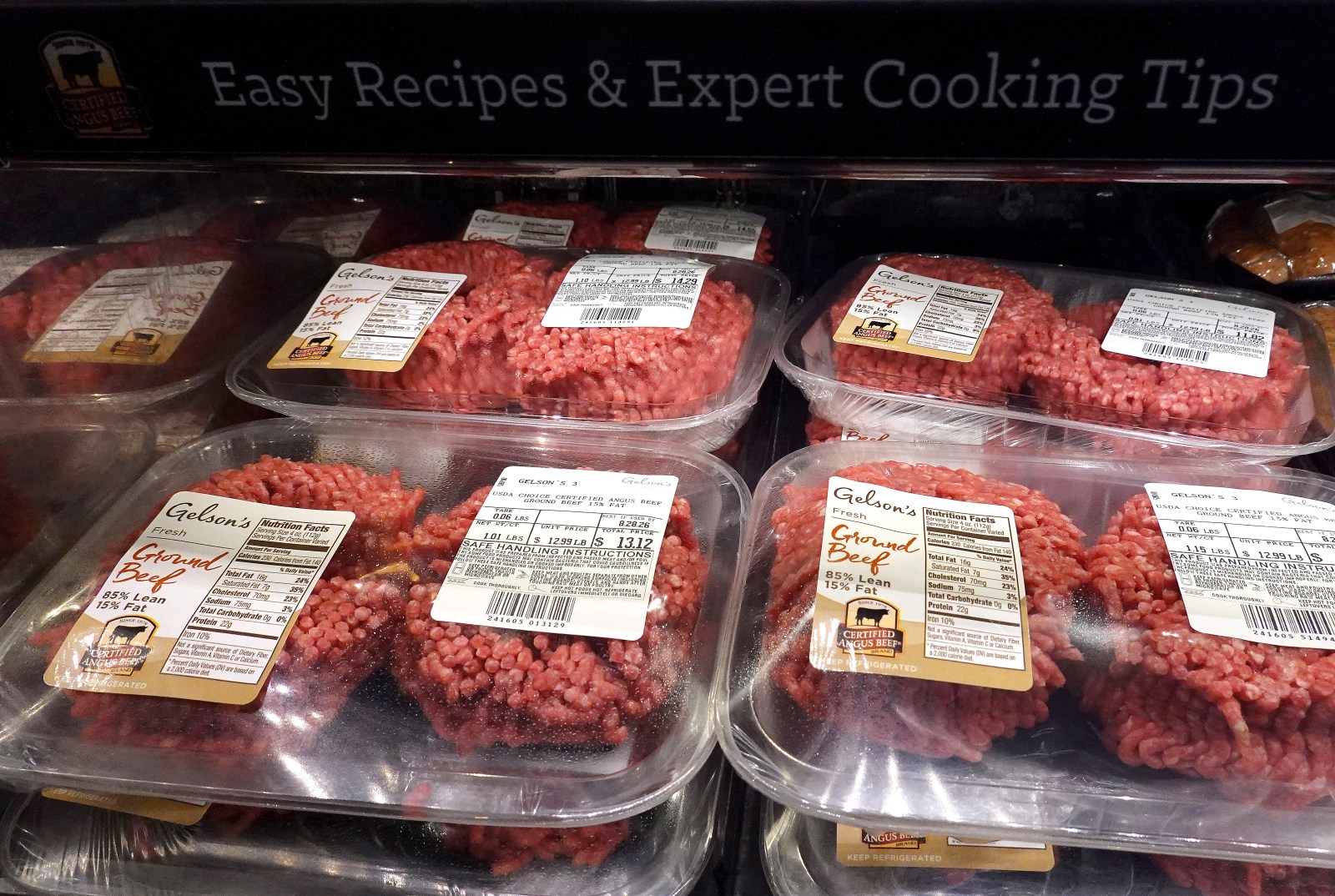
Donald Trump has taken steps to address the rising prices Americans pay for beef. His plan is to temporarily allow 300,000 metric tons of foreign ground beef into the U.S. at a reduced tariff rate for 90 days. The goal is to offer this meat at prices 25 percent below market rates. The initiative aims to tackle cost-of-living issues as the country approaches midterm elections in November.
According to Ben Spell, founder of Good Ranchers, Trump’s plan is only a short-term solution. Spell argues that importing cheap foreign beef does not resolve the underlying issues contributing to high prices. Factors like drought, high feed costs, and herd liquidation have pushed prices upward. Spell stresses the need for long-term solutions rather than temporary fixes.
Concerns Over Imported Beef Origins
Spell advocates for transparency regarding the origins of imported beef. He believes consumers should know where their meat comes from, especially amid competition between domestic and imported products. The U.S. repealed its mandatory Country of Origin Labeling law in 2015, complicating consumer choices between American and foreign products at grocery stores.
Despite Trump’s announcement, few details are available about the potential sources of the imported beef. Spell emphasizes the necessity of accountability and quality to ensure consumer confidence.
Potential Impact on Domestic Beef Industry
Trump’s proposal comes in the wake of record beef imports from countries like Mexico, Canada, and Brazil. Notably, an increase in Argentine beef imports has also sparked reactions, particularly from American cattle ranchers.
David Anderson from Texas A&M University highlights the possibility of lower wholesale prices for beef trimmings. However, he remains uncertain about these reductions translating to grocery store price drops.
Senator Tim Sheehy of Montana raises concerns about how Trump’s actions may challenge American ranchers. He argues that the dominance of major meatpacking firms limits producers’ ability to rebuild domestic herds.
Rebuilding Domestic Capacity: A Long-Term Approach
Bill Bullard of R-Calf USA criticizes the plan, suggesting it could hinder domestic herd expansion efforts. Expanding herds is a protracted process, reliant on sustained producer confidence in future cattle prices.
Economic strategist Dan Varroney identifies the need for ranchers to invest in breeding animals. The smallest U.S. cattle herd in 75 years necessitates long-term investments. Varroney warns that imported beef and temporary price adjustments may undermine these investments.
As Spell notes, incentivizing the next generation to invest in cattle raising is essential for rebuilding domestic herds. The challenge lies in creating supportive policies that encourage long-term growth in the U.S. beef industry.