
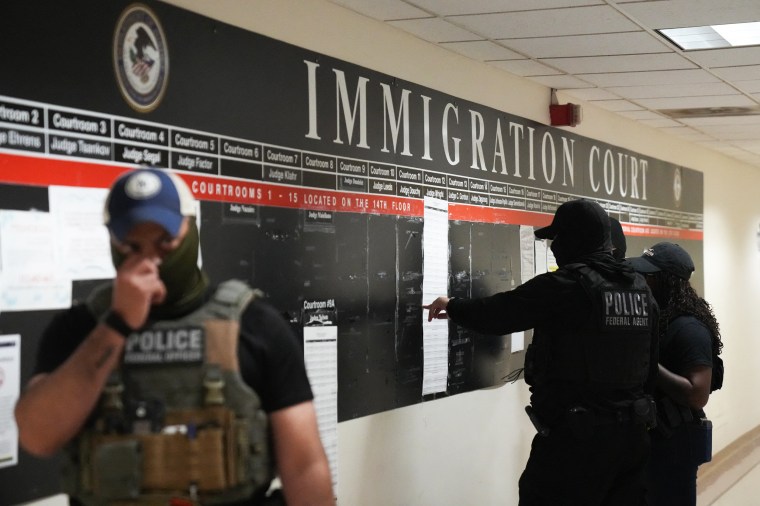
For a long time, immigrant rights groups have highlighted issues within detention facilities. Conditions are often cold, overcrowded, and unsanitary. Immigrants remain unaware of their release times.
ICE is currently detaining nearly 60,000 people, an increase from around 34,000 under the Biden administration. The average detention period has risen to 50 days from 36. Simon Sandoval-Moshenberg, an immigration attorney in Maryland, noted a client was released after 11 months, which was surprising. He stated, “The problem is not only the poor conditions in detention centers, but also the uncertainty of release.” He believed self-harm incidents might decrease if detainees had a clear end date, even without knowing the outcome.
Most detainees are men. Among them, over 20,000 have no criminal background apart from immigration law violations, like overstaying visas or crossing borders without permission, according to ICE data. During Trump’s second term, there were nine suicides in detention. All were men, aged 19 to 45. Three had histories of violent crime, four had nonviolent criminal records such as disorderly conduct or driving without a license, and two had no criminal history.
All suicides appeared to be by hanging.
The most recent incident occurred this month at Stewart Detention Center in Georgia. This facility had not completed suicide prevention training for staff and failed to monitor suicidal detainees according to ICE standards. In some instances, officials waited up to 125 minutes between required checks.
Inspectors raised concerns about suicide prevention compliance nationwide. Nineteen instances showed facilities failing to meet standards since Trump’s second term began. In response, ICE stated its commitment to ensuring detainees’ safety and medical care. “Suicides in DHS custody, while tragic, are rare. Staff follows strict intervention protocols,” an ICE spokesperson noted.
Facilities are often operated by contractors with ICE. CoreCivic, operating Stewart, didn’t comment immediately. GEO Group, running another facility, referred queries to ICE.
Inspections and Oversight
While detainee numbers have doubled, inspections are less frequent. At least four DHS offices conduct ICE inspections; two have been reduced. Congress members sometimes visit unexpectedly to check facilities, but this has become more difficult.
Rep. Mike Levin’s visit to the Otay Mesa Detention Center illustrates this difficulty. “The new policy requires names two days in advance and consent forms, complicating oversight,” Levin said.
Typically, the DHS Office of Inspector General conducts four to six unannounced inspections per year, leading to hundreds of improvement recommendations. A federal funding increase is anticipated to enhance inspections significantly.
Mental Health Challenges
911 calls obtained reveal severe mental health struggles among detainees. At least 39 calls described psychosis and altered mental states. In Michigan, a man refused psychiatric medication, didn’t eat for days, and collapsed in his cell.
Another detainee, Gabriel Leiva, acting out, was moved to solitary, where he attempted suicide. Guards discovered him and called for emergency help. Leiva complained about not understanding his removal’s cause.
Some suicides occurred shortly after detention began. For example, Victor Manuel Diaz died by suicide at Camp East Montana in Texas eight days after his arrest. However, the family questions the death’s circumstances.
“The family is deeply suspicious,” said Randall Kallinen, the Diaz family’s attorney.
For support during a crisis, contact the 988 Suicide & Crisis Lifeline through call, text, or their website: 988lifeline.org.