
Preparing for El Niño’s Influence on California’s Weather Patterns
With a strong El Niño increasing the likelihood of severe storms this fall and winter, California faces potential flooding. Despite this risk, heavy rains offer significant benefits by providing abundant water resources. The state’s readiness to capitalize on this opportunity is crucial.
Progress in Stormwater Capture
California has made strides in capturing stormwater, but experts suggest more can be done. Los Angeles County utilizes 27 spreading grounds, where artificial basins store stormwater flowing from mountains into valleys. This water seeps into the soil, replenishing groundwater.
Sterling Klippel, assistant deputy director of the L.A. County Public Works Department, emphasizes the importance of capturing water during wet seasons, stating, “Whenever we have a storm season with above-average rainfall, we capture a lot of water, bridging the gap in water supply.”
Initiatives Across Central Valley
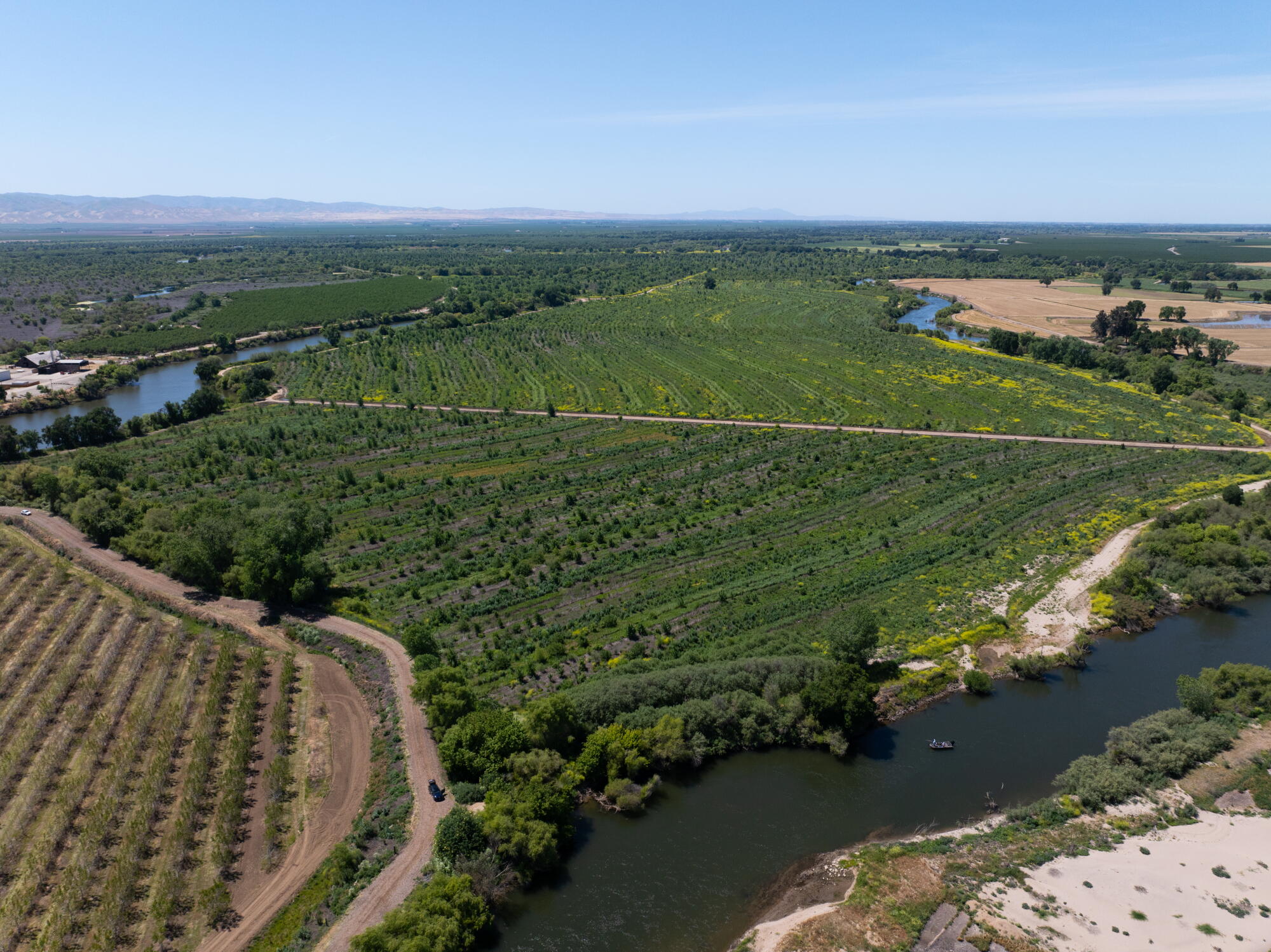
In the Central Valley, efforts to enhance water capture include restoring natural floodplains, building recharge basins, and directing floodwater to farm fields for absorption.
Julie Rentner, president of River Partners, underscores the potential, “This El Niño year is a huge opportunity for our water system.”
The nonprofit has repurposed 13,000 acres of farmland for water absorption. Generations ago, the Central Valley hosted lush wetlands and lakes, now transformed into farmland through damming.
At Dos Rios near Modesto, former farm fields have been revitalized, providing space for water absorption. In 2023, the San Joaquin River expanded dramatically at the site.
Statewide Emergency and Local Initiatives
Governor Gavin Newsom declared a statewide emergency to prepare for El Niño, mobilizing agencies to support local efforts. During 2023 flooding, Newsom suspended permit requirements for groundwater recharge.
The state facilitated equipment to channel water into canals, enhancing groundwater recharge. Although El Niño doesn’t guarantee storms, research indicates intensified El Niños with global warming.
Innovative Farming Practices
Don Cameron, a grower near Fresno, routinely floods farmland for groundwater replenishment. Terranova Ranch has seen success with this method, aided by a $5-million state grant for canal construction.
Cameron’s team installed high-capacity electric pumps, aiming to capture more floodwater. “Hopefully, we get some serious rains,” he said. “We’re better prepared if it comes.”
Statewide Coordination for Water Capture
The Department of Water Resources aids local agencies by funding pumps, building basins, and clearing land. Paul Gosselin, deputy director, highlights the necessity of continued coordination to capture as much water as possible.
Future plans include constructing Sites Reservoir northwest of Sacramento.
Flexible Dam Operations
California could enhance water retention with flexible dam operations based on precise forecasts. Researchers demonstrated this method at several dams, potentially securing water for over 1 million households.
This approach is already applied at Lake Mendocino and Lake Sonoma, retaining more storm season water.
Meteorologist Marty Ralph notes, “It’s worked really well during testing, but every reservoir is different.”
Adapting to Climate Change
California faces challenges from climate change, with more precipitation falling as rain and expected increases in atmospheric river potency. Understanding how to harness major storms becomes paramount as droughts intensify.