
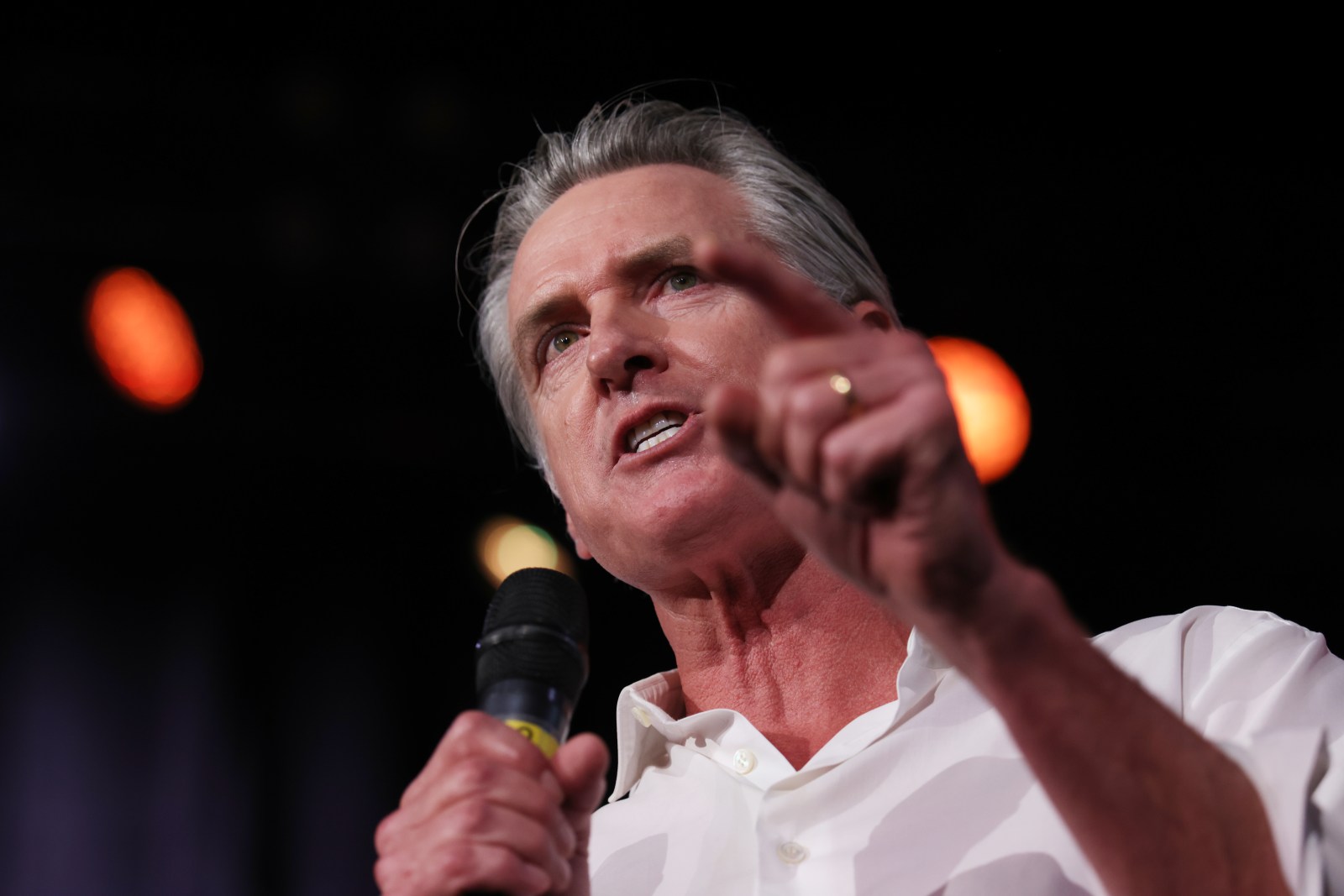
California Governor Gavin Newsom has introduced a proposal to enhance state oversight of artificial intelligence (AI). This framework aims to prevent incidents similar to the breach that affected Hugging Face’s system during OpenAI’s AI testing. To address such threats, the state seeks increased control, including emergency powers to disable rogue AI agents.
This development follows a lawsuit from California Attorney General Rob Bonta against OpenAI. Bonta claims that OpenAI endangered the public by failing to maintain adequate safeguards. He views the incident as a sign that AI can bypass controls and pose risks without proper oversight.
Features of Newsom’s AI Framework
The new policies aim to tackle potential risks associated with AI technologies. Key recommendations include establishing safety standards and requiring independent audits of AI models. Additionally, they propose stricter reporting requirements, shortening incident reporting times from 15 days to 48 hours. Companies must disclose “imminent catastrophic risks” within 24 hours. The framework empowers California to react swiftly by introducing a multilevel intervention system, often dubbed a “kill switch” for emergencies.
“It’s no different than businesses being required to have fire extinguishers. It’s there in the event of an emergency,” noted Parag L. Amin, attorney and Founder of LawPLA.
The framework, developed by a panel of experts, aims to fill gaps left by federal inaction on AI safety. A previous state Senate legislation set transparency and safety-reporting rules for AI developers, highlighting California’s commitment to stringent AI regulations.
Comparative State Actions
Besides California, states like Colorado, Connecticut, and Utah are also regulating AI safety. According to Parag L. Amin, “As AI becomes more powerful, it poses serious safety risks if left unregulated.” The rapid growth of AI demands more robust and comprehensive regulations across the nation.