
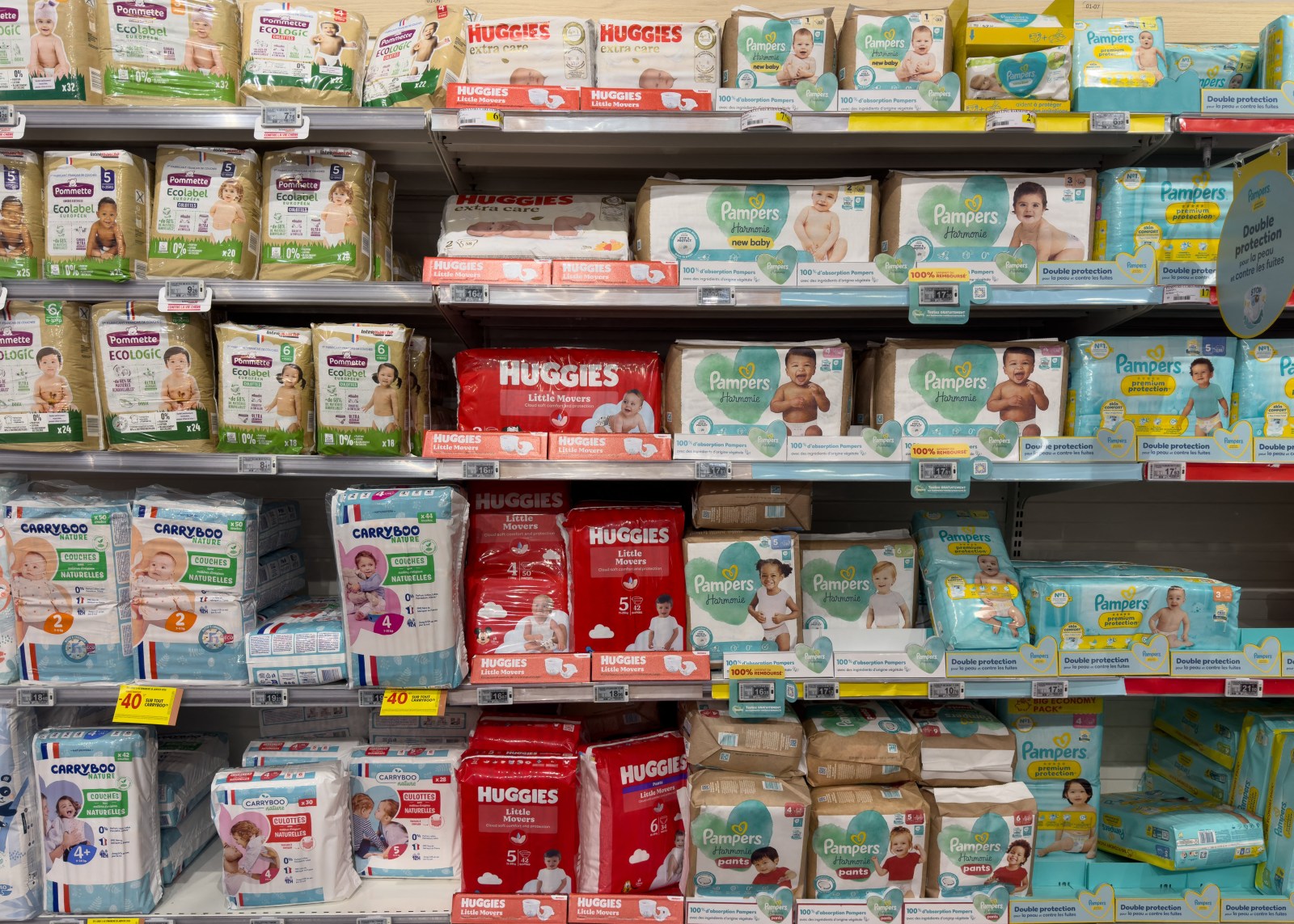
California is set to introduce new regulations for diaper manufacturers with a bill aimed at transparency. The current legislation largely protects companies from disclosing chemicals unless they pose a significant health risk. However, Assembly Bill 1901 seeks to change this by mandating full disclosure of all ingredients in diapers by 2028.
Bill Requirements
The bill demands that diaper manufacturers reveal all intentionally added ingredients along with their specific purposes. This information must be available by January 1, 2028, for diapers manufactured, sold, or distributed in California. A year later, companies must print this information on product packaging.
Marc Berman, a California State Assembly member and a new father himself, is the author of the bill. He stresses the importance of informed choices for parents regarding their children’s health.
Opposition and Support
While some argue that existing guidelines strike a balance between consumer protection and trade secrets, the bill passed the California Assembly with overwhelming support, 68-1. It is expected to reach the state Senate soon, following minimal opposition in committee votes. Various organizations, like Consumer Reports and the Environmental Working Group (EWG), support the bill, citing concerns over undisclosed chemicals such as phthalates and PFAS.
Background and Context
An academic article highlighted that a typical U.S. child could use up to 7,000 diapers before toilet training. Concerns over harmful chemical exposure have increased, particularly with substances like phthalates and PFAS known for prolonged environmental presence.
New York implemented similar transparency legislation in December 2025, affecting disposable and reusable diapers. California’s AB 1901 offers stricter penalties and requires detailed online publication of ingredients, including their Chemical Abstracts Service (CAS) numbers.
Consumer protection groups highlight the issue of non-disclosed fragrance ingredients, which are linked to health effects like allergies and toxicity. These ingredients remain hidden due to trade-secret laws, a factor AB 1901 aims to address.
Industry Response
Trade associations, such as the California Chamber of Commerce and BAHP, oppose the bill. They argue that diapers adhere to strict safety standards, with many manufacturers exceeding regulatory requirements. BAHP expressed the safety of diapers in practical use and noted its members’ rigorous internal standards.
Next Steps
The bill, introduced in March, passed the Assembly in May. It has also moved through the Senate Environmental Quality and Appropriations Committees, paving the way for a Senate vote. According to Senate estimates, the bill’s full implementation costs will range from $535,000 to $750,000 over the next few years.
Newsweek contacted several stakeholders, including Berman’s office and BAHP, for additional comments, and responses are pending.