
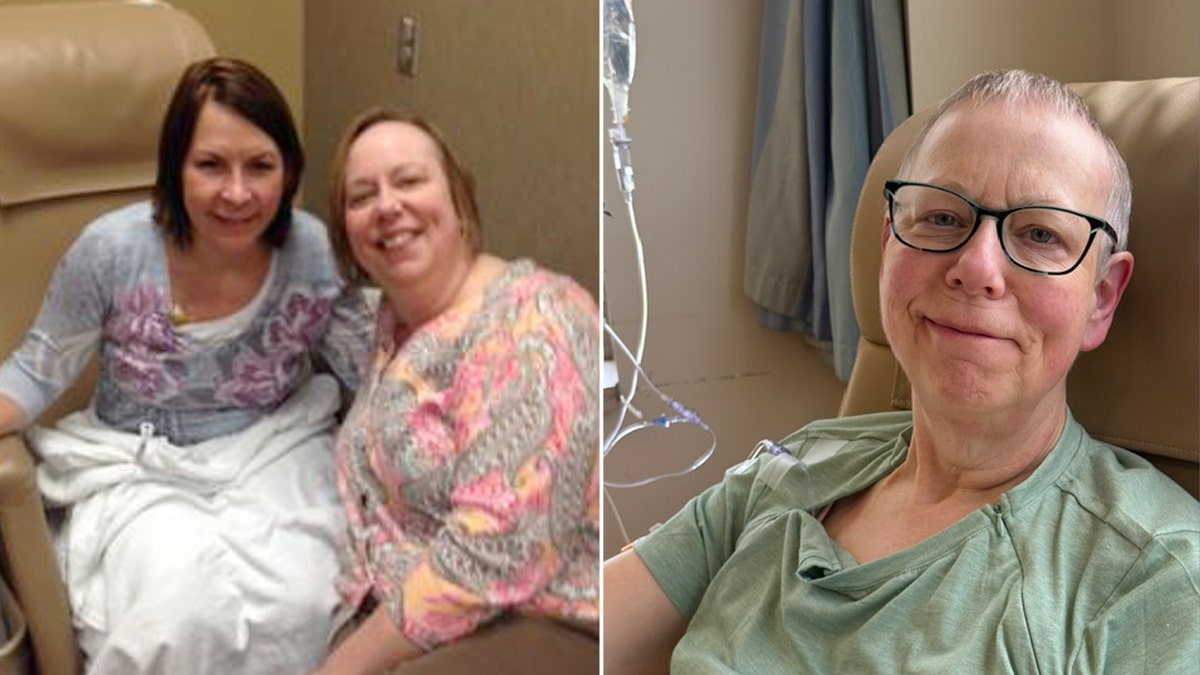
Becky Drexler, a Minnesota resident, faced a shocking turn of events when she was diagnosed with ovarian cancer, echoing the tragic fate of her best friend, Connie Dahl. Dahl battled stage 4 ovarian cancer before passing away in September 2017.
During Dahl’s treatment, Drexler supported her friend closely and engaged with the Minnesota Ovarian Cancer Alliance (MOCA). After retiring in 2017, she planned to travel and spend time with loved ones. However, her own diagnosis came in July 2018, altering her course.
Drexler’s Cancer Journey
Drexler, diagnosed with stage 3B high-grade serous ovarian cancer, shared similar symptoms to her friend, such as frequent urination and bloating. Initially, she attributed these to aging, delaying her doctor visit.
A pivotal moment came when she felt guided by her late friend. Observing dragonflies, symbolic of Dahl for Drexler, prompted her to consult a doctor who confirmed her diagnosis. A CT scan revealed mass on both ovaries, leading to surgery soon after.
From September 2018 to January 2019, Drexler underwent six chemotherapy sessions. Her journey, infused with support from family, friends, and MOCA, resonated with her friend’s mantra to live and love fully.
Facing Recurrence with Determination
In August 2020, the cancer returned, necessitating surgery and a targeted radiation plan, replacing chemotherapy if needed. Completion of radiation in January 2021 placed Drexler again in ‘no evidence of disease’ (NED) status.
She initiated a maintenance treatment with Lynparza, a PARP inhibitor unavailable during Dahl’s treatment years. From 2021 to February 2026, she maintained NED status.
In early 2026, new symptoms led to another surgery to remove a tumor. A further PET scan indicated remaining spots, prompting an 18-week treatment cycle.
Midway through, encouraging PET scan results showed no new spots, highlighting treatment efficacy.
Volunteering and Advocacy
Drexler actively volunteers with MOCA, serving on their board and contributing to ovarian cancer research advancements. Progress in treatment options not available to Dahl has reinforced her belief in ongoing medical innovation.
She underscores the urgent need for an early detection test for ovarian cancer, which remains a critical research focus.
Recognizing Symptoms and Proactive Health Measures
Ovarian cancer symptoms, subtle in nature, frequently lead to advanced-stage diagnoses. Approximately 75% of cases reach stage 3 or 4 before detection.
Symptoms such as abdominal bloating and changes in body shape can indicate illness. Any persisting or worsening symptoms over a week or two warrant medical consultation, advised Dr. Brian M. Slomovitz. He also emphasized the importance of gynecologic oncologists in treatment.
Awareness efforts continue, as no reliable early screening method currently exists. Early-stage detection could significantly increase survival outcomes.
Empowerment Through Advocacy
Drexler encourages women to heed bodily changes and advocate for themselves by seeking medical advice for unresolved symptoms. She stresses the need for specialist oncological care for accurate diagnosis and effective treatment.