
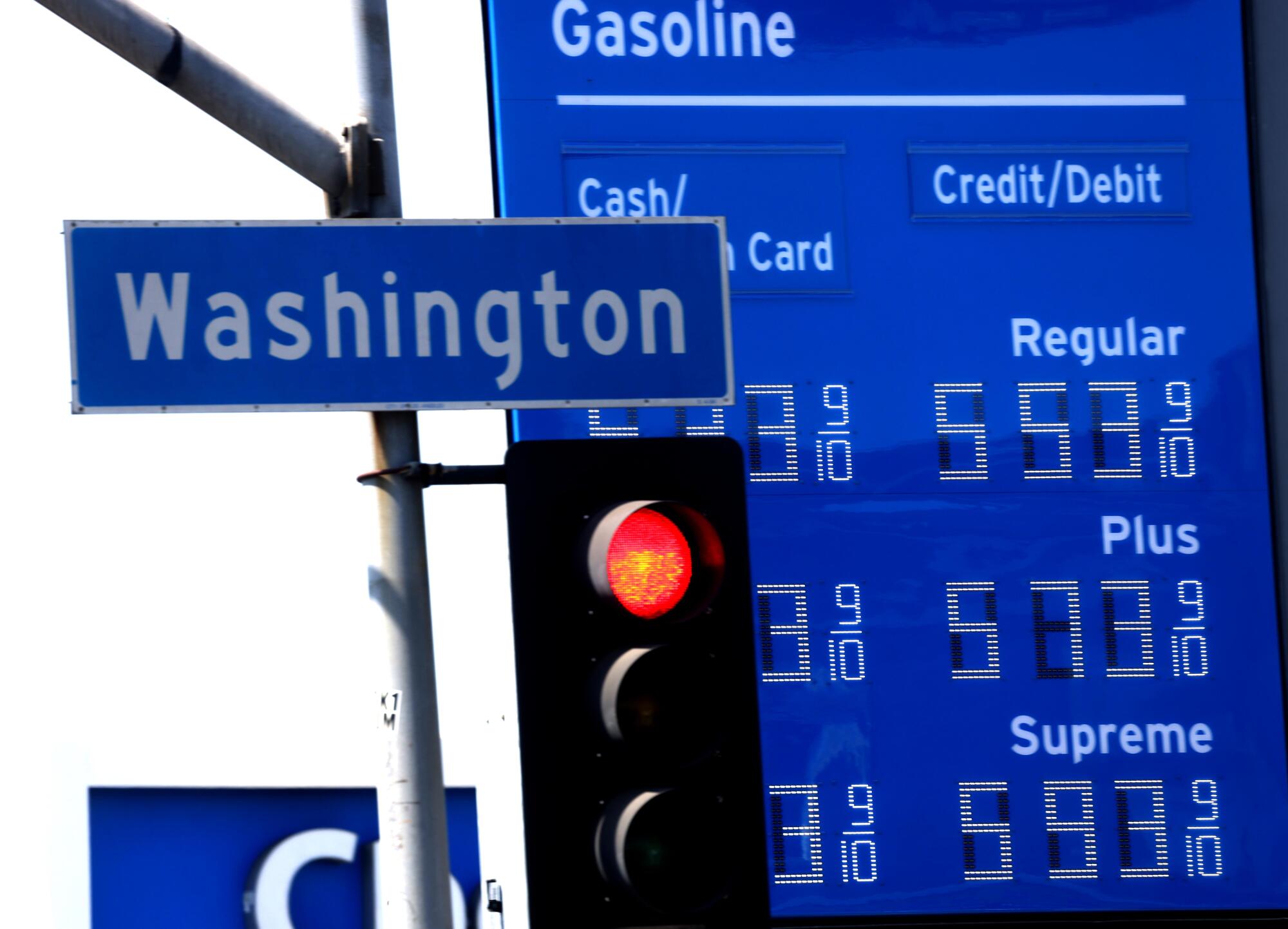
Amid record earnings for oil companies and California refiners in the second quarter, state legislators are calling for measures to curb industry profits. Marathon Petroleum, California’s second-largest refiner, reported a $5.1 billion profit, over four times its profit in the same quarter last year. This surge follows a tightening of fuel supplies during the Iran conflict, driving up oil and gas prices. Between April and June, Chevron, the state’s largest refiner and second-largest oil producer, recorded a $12.1 billion profit, a nearly fivefold increase, marking its highest earnings in six years. Other refiners like PBF Energy and Valero also enjoyed substantial gains, with Valero earning $3.7 billion, five times its previous year’s earnings.
State Senator Josh Becker (D-Menlo Park), alongside Senator Benjamin Allen (D-Santa Monica), has introduced legislation empowering the state attorney general to prosecute price gouging in wartime. Senator Becker expressed frustration at what he sees as the excessive nature of these profits, asserting the need for state action.
“These profits are absolutely obscene,” Senator Becker stated.
Chevron attributed its performance to global, rather than regional, operations, driven by investments. Ross Allen, a spokesperson for the company, highlighted Chevron’s efforts to boost production and maintain high refinery capacity.
Drivers in the U.S. have faced increases in gas prices of 30-50% since the war’s onset. In California, where gas prices were already the nation’s highest, prices remain above $5.60 per gallon. The price hikes led some lawmakers to reconsider the state’s clean-burning fuel requirements, originally established in the 1990s to combat air pollution. Critics argue that these environmental mandates contribute to California’s high gasoline prices.
State Senator Henry Stern (D-Los Angeles) has tabled legislation making it easier to sell regular gasoline in California and impose a fee potentially funding programs like electric vehicle rebates. Proponents, including the Union of Concerned Scientists, argue that federal standards and newer vehicles render the unique California blend less crucial. Suspending the blended fuel requirement would allow for importing cheaper gasoline from other states and reduce reliance on local refiners.
The Western States Petroleum Association opposes such measures, claiming they would deter investments and undermine fuel affordability and reliability. The association is also challenging Becker’s bill, which seeks to broaden the definition of emergencies warranting price-gouging laws to include wartime scenarios.
California legislators such as Becker cite evidence highlighting California as a prime setting for potential price gouging due to limited refinery options. Research from Consumer Watchdog indicated that California gas prices averaged $1.50 more than national levels during portions of the year.
The California Energy Commission rebuts this, suggesting state prices rise in line with national trends. Tai Milder, head of the agency’s fuels market watchdog, points to the significant price disparity between branded and generic gas in the state.
A federal lawsuit has also emerged, accusing major gas chains of colluding to maintain high pump prices through AI software. The Western States Petroleum Association defends the price differences, attributing them to real estate and gasoline additives.
Nationally, Democrats like California Sen. Adam Schiff and Rep. Brad Sherman are pursuing legislation addressing windfall profits. Stern’s and Becker’s proposals are set for review by the state Assembly Appropriations Committee.
Meanwhile, Consumer Watchdog’s Jamie Court advocates for existing state law, signed in 2022, granting the California Energy Commission the authority to cap refinery profits. Court argues that the commission has not prioritized using this tool effectively.
Factors such as refinery closures have contributed to the caution among regulators. Oil industry spending on lobbying reached over $17 million this year. Analysts, such as Brett Gibbs from Bloomberg Intelligence, connect global profits in part to diminished refining capacities. While companies like Marathon and Valero emphasize strong performances from their West Coast operations, firms like PBF Energy anticipate continued profitability in California.
Wood Mackenzie estimates oil company profits could reach $495 billion this year, assuming oil prices remain around $90 per barrel. Few companies appear inclined to reinvest these profits into production, as noted by Tom Ellacott from Wood Mackenzie.