
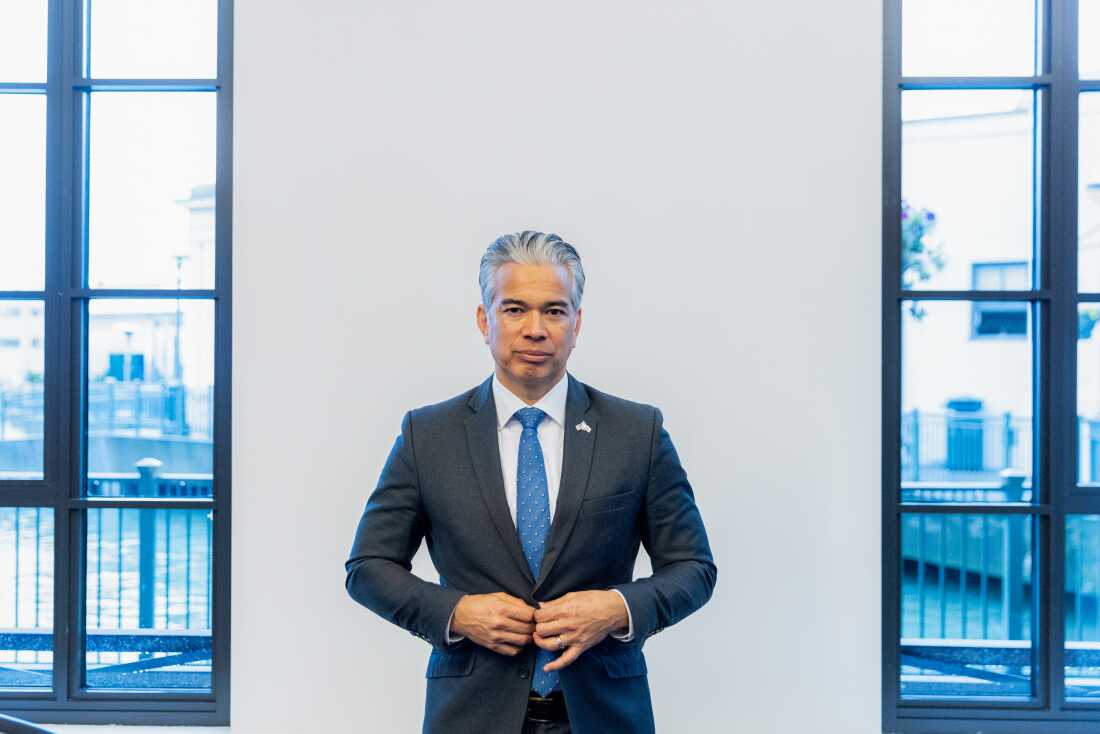
California Attorney General Rob Bonta leads a group of state attorneys general in a lawsuit to block the merger of Paramount and Warner Bros. Discovery. This legal action involves a dozen states including Arizona, Colorado, Connecticut, Massachusetts, Minnesota, Nevada, New Jersey, New Mexico, New York, Oregon, and Washington. Filed in federal court in California’s Northern District, the lawsuit aims to prevent uniting substantial entertainment properties such as major movie studios and television networks.
Bonta asserts that merging these entertainment giants would increase costs, reduce quality, and limit content for audiences. The lawsuit claims the merger would negatively impact movie theaters, basic cable distributors, and ultimately, consumers across the United States. He emphasized the importance of maintaining free and fair markets, highlighting the risks of market domination.
Bonta stated, “With this lawsuit, California and our sister states are fighting for free and fair markets, not rigged markets. America has no kings in government or our economy.”
The proposed merger involves significant financial moves, including inviting investment from sovereign wealth funds in Saudi Arabia, Qatar, and the United Arab Emirates. Although these funds would not receive voting rights, the financial arrangements indicate an $80 billion increase in debt, likely prompting substantial cuts within the combined company. Warner Bros. significantly reduced its own debt by cutting budgets but remains heavily indebted.
Concerns over the merger’s implications on the media landscape are exacerbated by previous political influences. Oracle co-founder Larry Ellison, a prominent supporter of former President Trump, backs Paramount’s acquisition. This involvement raises questions, given the Ellison family’s recent control over Paramount and close ties to Trump’s policies.
Paramount contends that the entry of streaming platforms such as Netflix, Amazon, and Apple makes traditional antitrust concerns obsolete. Still, the states’ lawsuit capably challenges this notion amid sweeping changes in media ownership. The roadmap Disney followed in acquiring Fox’s entertainment assets in 2019 underscores these shifts. Financial filings reveal that delays in the merger could impose significant costs, with Paramount obliged to pay increasing amounts to Warner shareholders if the deal is postponed.
Several key players, including the Federal Communications Commission (FCC) and international regulators, play roles in this merger’s fate. The FCC, led by Trump appointee Brendan Carr, has yet to approve, while the EU reviews both asset consolidation and foreign investment reliance. Paramount seeks international approval, with the Justice Department already greenlighting the purchase last month. Nevertheless, ongoing litigation could prolong the process significantly.