
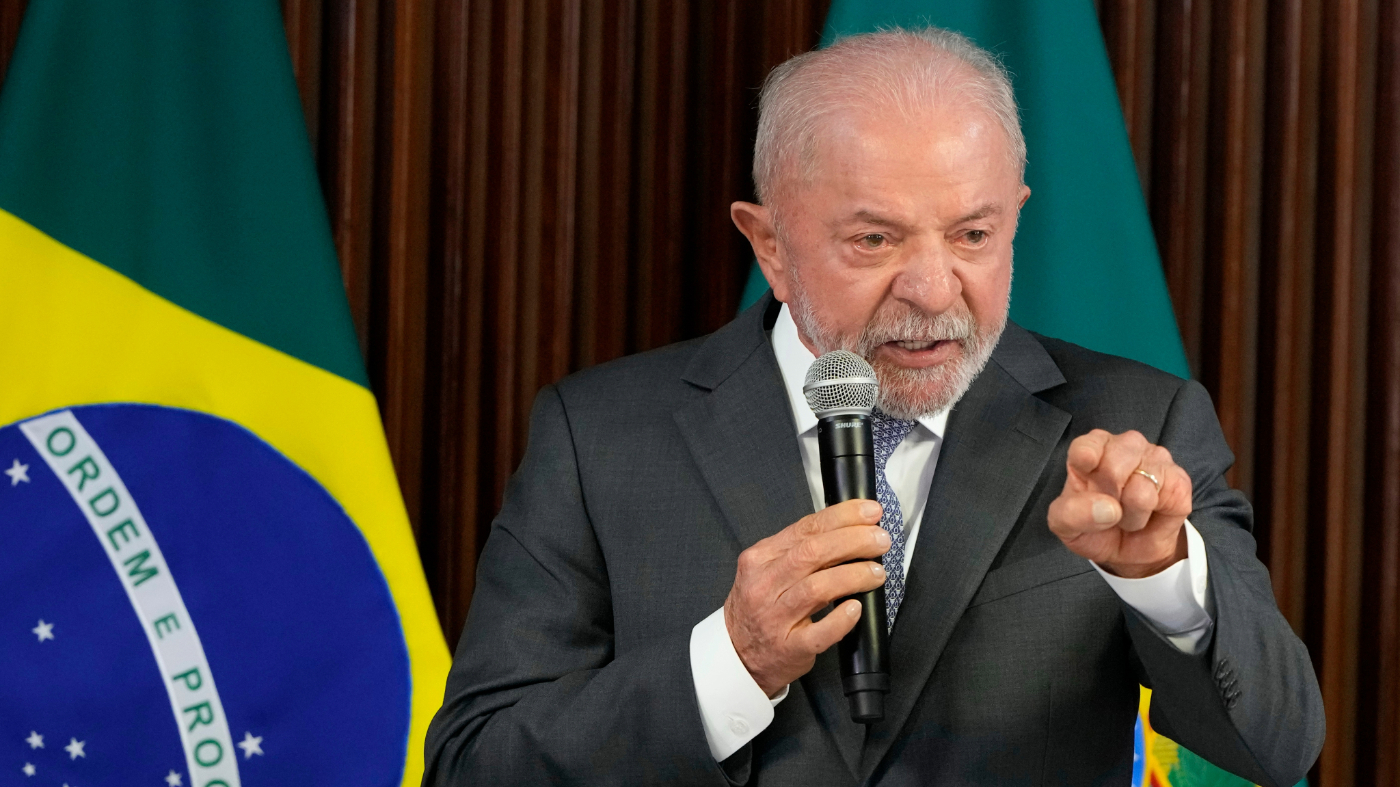
Brazilian President Luiz Inacio Lula da Silva, during a recent cabinet meeting at Planalto presidential palace, has intensified his confrontational stance against the U.S. and deepened ties with Communist China. This strategic shift poses significant risks to Brazil’s economy, security, and sovereignty.
President Lula’s recent rhetoric against the U.S. has included sharp criticisms of Secretary of State Marco Rubio, labeling him a ‘frustrated Latin American’ and a ‘mortal enemy.’ This response came after the U.S. implemented 25 percent tariffs, citing unfair trade practices, and designated Brazilian criminal gangs Primeiro Comando da Capital and Comando Vermelho as terrorist organizations. Such rhetoric risks further straining relations between Brazil and the U.S., its second-most important trading partner.
In 2023, trade between the U.S. and Brazil reached $74.8 billion, with U.S. exports totaling $37.9 billion and imports from Brazil amounting to $36.9 billion. Despite this robust trade relationship, President Lula has sought to distance Brazil from the dollar, pivoting toward increased reliance on China. Plans to issue panda bonds using yuan and Brazil’s major exports to China, such as iron ore, soybeans, and oil, highlight this shift.
Brazil’s alignment with China extends beyond the economic realm. The arrival of China’s military hospital ship, Silk Road Ark, and joint naval exercises reflect a growing partnership. However, concerns are mounting over labor practices at a car factory construction site, where 163 Chinese citizens were reportedly brought illegally to work under conditions resembling modern slavery.
Space collaboration between Brazil and China is advancing, with projects like the Joint Radio Astronomy Technology Laboratory and plans for South America’s largest radio telescope, BINGO. Nonetheless, China’s ambitions in space are viewed by some as an attempt to enhance military capabilities within the U.S. sphere of influence.
In telecommunications, Brazil’s engagement with Huawei continues despite the company’s espionage accusations by several countries. The controversial company’s actions have been repeatedly criticized, including previous warnings from then-Senator Rubio about potential security risks.
On the issue of drug trafficking, President Lula has shown minimal effort in addressing the problem. Brazil’s exclusion from the U.S.-led ‘Shield of the Americas’ initiative aimed at combating organized crime has raised questions about Brazil’s commitment. President Lula has openly opposed classifying gangs such as Primeiro Comando da Capital and Comando Vermelho as terrorist organizations.
Overall, Brazil’s increased dependency on China in areas like telecommunications, space security, trade, and bonds poses vulnerability to China’s economic conditions. A shift in leadership prioritizing national interests over ideological alliances is necessary. The confrontation with the U.S. is unproductive, while reliance on Beijing endangers Brazil’s economic stability and the security of the Americas.
Arturo McFields, an exiled journalist and former Nicaraguan ambassador, provides insight into these developments. His perspective draws from experience in diplomacy and defense, emphasizing the need for strategic prioritization for Brazil’s future.