
The recent purchase and quick sale of the Los Angeles Lakers by billionaire Mark Walter have stirred debates about the ownership of major sports teams. Walter’s financial dealings are under federal investigation due to alleged tax issues and unreported finances. This sudden sale has prompted speculation about Walter’s motives and potential efforts to soften government scrutiny.
Walter, who initially succeeded in the insurance industry, also holds interests in the Los Angeles Dodgers and Chelsea in English Premier League. His case highlights a broader issue where professional sports teams are exploited as revenue generators by wealthy individuals and entities. Critics are concerned over insufficient vetting of prospective buyers’ finances, widening the gap between fans and ownership groups.
“Fans grow weary of seeing their beloved teams treated as commodities rather than community treasures,” opines Will Norton, director at the McCormack Center for Sport Research and Education.
Many sports teams across major leagues now have private equity investors and owners detached from the local fan base. These dynamics contribute to prioritizing financial returns over team loyalty and development. Walter’s situation is unique due to his involvement with multiple franchises, including benefiting the Dodgers with a profitable media rights deal; it helped build a formidable roster despite soaring ticket prices.
Private equity’s influence is a concern, especially with baseball facing unresolved player union agreements potentially leading to a lockout. The role of investment firms in over 70 North American sports clubs has intensified capital demands for high-quality coaches and infrastructure. International investments, like Saudi Arabia’s on sports such as golf and soccer, parallel these developments.
Mat Ishbia, owner of the Phoenix Suns, faces legal challenges from minority partners accusing him of mismanaging funds. These instances raise questions about the thoroughness of league evaluations of team owners. The escalating costs mean hometown ownership is increasingly rare.
Across the U.S., fans’ frustration mounts over the financial maneuvers by team owners. In Portland, negotiations around the Trail Blazers’ arena renovation pose potential risks of franchise relocation, echoing other cities’ experiences.
“Valuation processes lag behind the evolving class of owners,” notes Cade Massey from the Wharton School. Leagues might reconsider their approaches considering these changing dynamics.
Extra Points:
- College football’s controversy about player eligibility and the Protect College Sports Act surfaces amidst legislative concerns.
- Golf media company Good Good faces backlash over an offensive ad, losing key partnerships as a result.
- The GOP’s midterm convention will compete with the NFL’s prime-time debut of their regular season games.
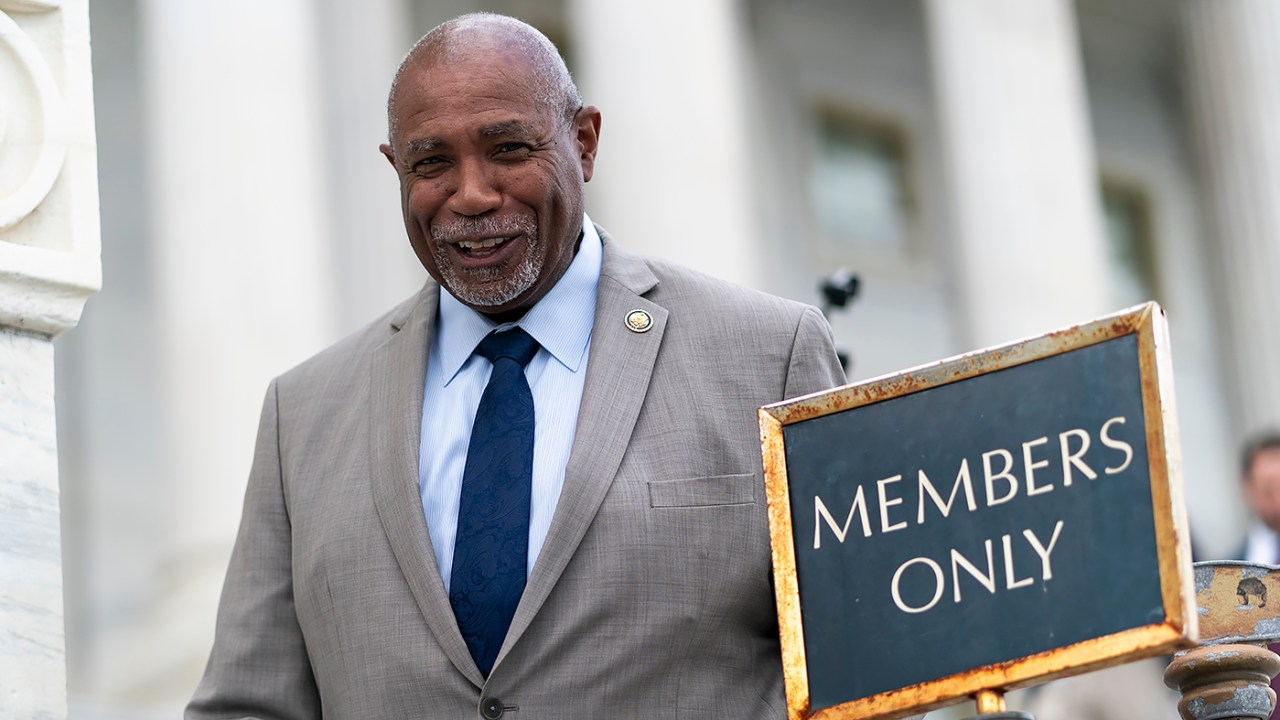
Jocks on The Hill: Rep. Herb Conaway
Rep. Herb Conaway (D-N.J.), an internal medicine doctor, is up for reelection. Conaway, a lifelong Dallas Cowboys fan, shares his sports preferences, admiration for Roger Staubach, and discusses the positive ethos learned from sports in politics.
Read the Coverage:
- Sports Illustrated investigates expenditures on college football athletes.
- The Athletic uncovers issues athletes face from bettors’ harassment.
- The Wall Street Journal profiles Los Angeles Rams GM Les Snead’s innovative market strategies.