
A recent ruling by a Louisiana judge allowing NFL rookies to return to college football for an additional year has prompted new policies from the Big Ten Conference. According to ESPN’s Pete Thamel, the Big Ten plans to enforce a rule preventing players who appeared on NFL rosters during the summer from rejoining Big Ten teams.
Sources: The Big Ten is set to pass a rule today that doesn’t allow players to return from the NFL and play for a Big Ten school, Thamel reported on X. Anyone who has declared for the NFL Draft and did not withdraw, appeared on an NFL roster or signed a contract with a pro league cannot be on a Big Ten roster.
Despite the restraining order, several players have already taken advantage of the opportunity to return to college football. For example, two former NFL players, Dae’Quan Wright and Zxavian Harris, have committed to join LSU under coach Lane Kiffin. Similarly, TJ Harden, Anthony Hankerson, Wydett Williams Jr., and Jack Pyburn were granted an extra year of eligibility.
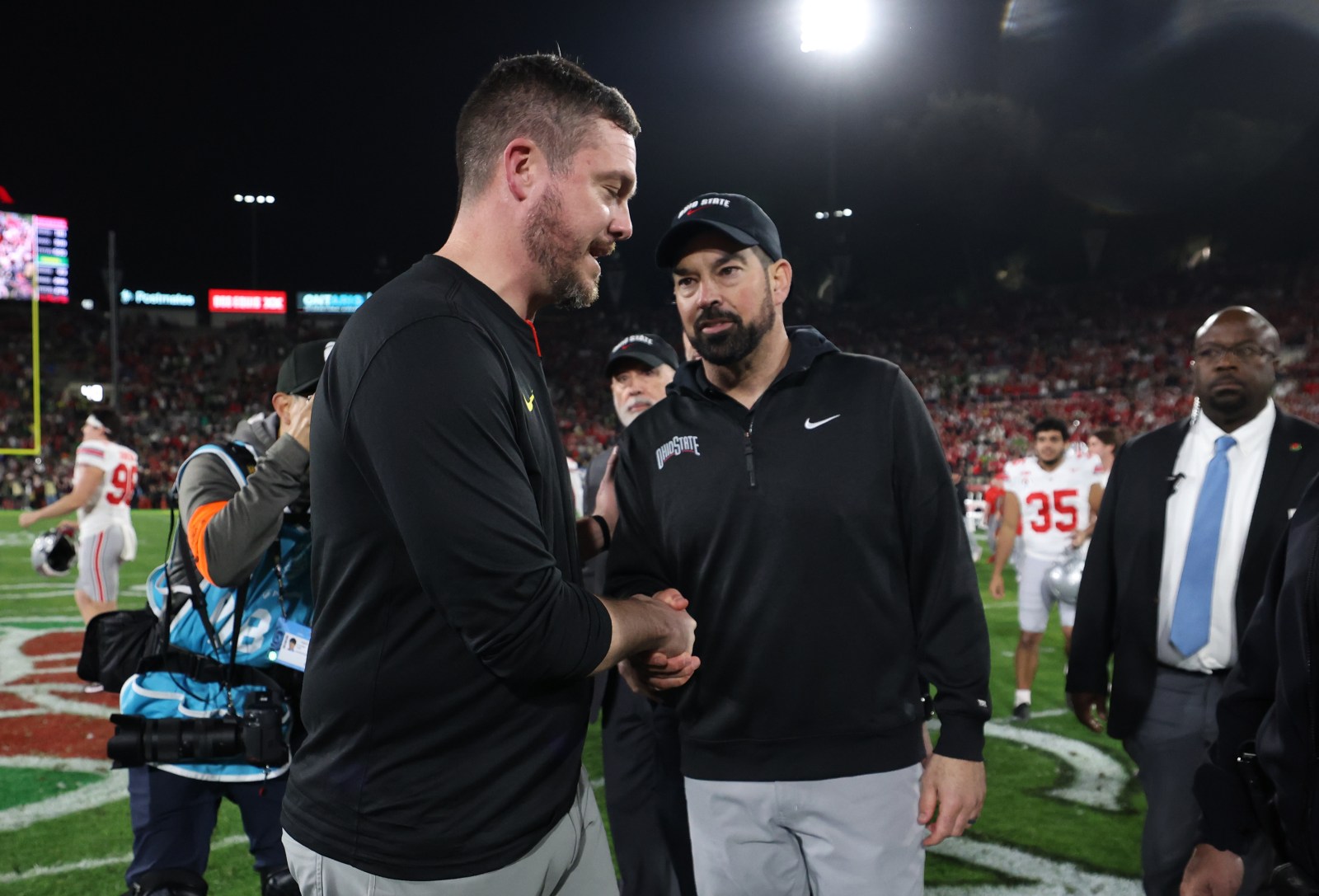
Nevertheless, notable Big Ten coaches have voiced opposition. Oregon’s Dan Lanning argues that letting players return from the NFL could disrupt college football. He emphasizes that once athletes move to the professional league, they should remain there.
One, once you go to the NFL, to me, you’re in the NFL. You don’t get the opportunity to come back. Two, most of us have built our rosters and you have a limited roster limit now. So if you invited somebody back to your team, that means you’re kicking somebody else off your team to match your roster limits, Lanning explained.
Lanning feels that allowing returning players compromises those who have dedicated time to training and preparing for the season with their current teams. He asserts this practice is unfair to existing players and disrupts the fairness of the sport.
Ohio State’s Ryan Day shares similar sentiments. While acknowledging that returning players can give an advantage to certain teams, he stresses the need for conferences to set a deadline for finalizing rosters.
In my opinion, the conferences have to decide if there’s a point where their rosters have to be locked in because once some of these guys become available, adding them to the roster is going to provide advantage for certain teams, Day stated.
Both coaches advocate for giving consideration to potential changes but express discomfort with the situation. They believe proper measures must be taken to maintain fairness and integrity in college sports.