
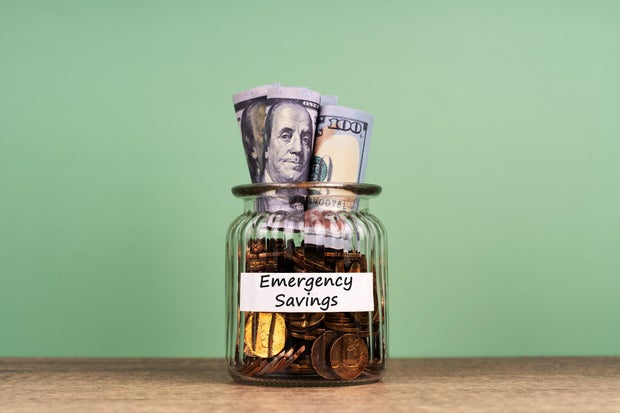
In today’s economic environment, balancing debt repayment with building an emergency fund is crucial. Many Americans face increasing financial pressure, significantly impacting their financial and mental health. A key factor is inflation, rapidly raising the costs of essentials. This situation has led many to rely on credit cards to bridge financial gaps. However, high credit card interest rates further strain budgets as interest charges accumulate.
The stress of growing debt is becoming more apparent as people struggle with financial management. A study by Achieve notes that rising debt burdens weigh heavily on Americans, with many experiencing ongoing stress from debts and monthly expenses. As a result, some think it’s best to use every extra dollar to reduce debt. While focusing solely on debt repayment might seem wise, neglecting to build an emergency fund introduces another type of financial risk.
Unexpected expenses can lead individuals back to using credit cards, thereby increasing costly debt cycles. A more balanced approach involves concurrently addressing debt and building an emergency fund. But how much should be set aside while focusing on debt?
Determining Emergency Savings While Paying Off Debt
The common recommendation for emergency savings is having three to six months’ worth of living expenses. However, this doesn’t account for those with high-interest debt. Those actively repaying debt might consider a smaller emergency fund, ranging from $1,000 to $2,500. Having this buffer aids in dealing with financial surprises like a flat tire or a minor medical bill without significantly diverting money from debt reduction. Once out of debt, the same payments can support building a full emergency fund.
The ideal emergency fund depends on personal circumstances. Incomes for freelancers or self-employed individuals can be unpredictable, so having a larger starter fund is advisable. Homeowners may also need more than $1,000 due to potentially high repair costs. In contrast, renters with stable jobs and fewer financial responsibilities might manage with less.
The type of debt is another factor. Aggressively paying off multiple high-interest credit card debts while keeping minimal emergency savings is often beneficial as high interest compounds quickly. Conversely, federal student loans or low-interest auto loans are less urgent, allowing for more balanced savings and debt approaches.
When Debt Relief Options May Be Necessary
For some, large debt burdens make traditional repayment challenging, hindering emergency fund growth. If monthly debt obligations take up a substantial part of income, exploring debt relief could be helpful. Options like debt consolidation can simplify payments and free up resources for savings. Similarly, a debt management plan through a credit counseling agency might lower rates and provide a clear payment timeline.
Consider debt relief options if struggling with substantial debt, which might involve negotiating a lower settlement with creditors. Bankruptcy is also a possibility but demands careful consideration due to significant credit impacts.
Consulting a debt relief expert or certified credit counselor can help find suitable solutions, aligning with personal income, liabilities, and financial objectives. The ultimate goal is making debt manageable to rebuild financial stability and include emergency savings in plans.
Conclusion
There isn’t a one-size-fits-all figure for emergency savings during debt repayment. In general, a starter fund of $1,000 to $2,500 provides a good balance by addressing common financial setbacks without hindering debt reduction. If debt still feels overwhelming despite budget adjustments, exploring debt relief options might be necessary first.