
Investigation into FlyDubai Co-Pilot’s Australian Links
Australian counterterrorism authorities are probing the connections of a FlyDubai co-pilot accused of attacking his captain. The incident on an Israel-bound flight is viewed by Emirati officials as an attempted terrorist attack, raising concerns about overlooked warning signs across nations.
Authorities in Australia, the UAE, and Israel are scrutinizing the suspect’s background, travel history, and possible motives. The probe is part of broader reviews of aviation security standards. The Victorian Joint Counter Terrorism Team, including the Australian Federal Police, Victoria Police, and Australian Security Intelligence Organization, is leading the Australian aspect of the investigation.
The suspect reportedly studied in Melbourne, attending RMIT University around a decade ago. RMIT confirmed the individual enrolled but did not complete an engineering qualification. The university declined to comment further, citing the ongoing investigation.
Details of FlyDubai Flight FZ1073 Incident
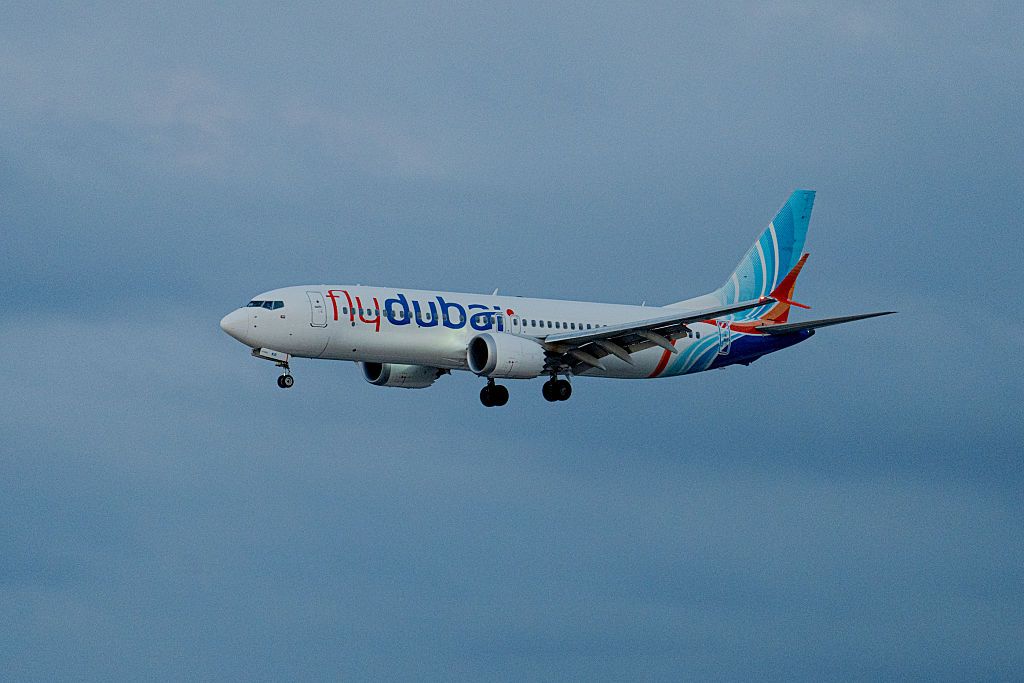
FlyDubai Flight FZ1073 from Dubai to Tel Aviv carried over 170 passengers, mostly Israeli nationals. UAE authorities described the incident as an attempted terrorist attack. The co-pilot allegedly attacked the captain inside the cockpit and attempted to seize control of the aircraft.
During the assault, the plane plunged approximately 16,000 to 17,000 feet within a minute. The captain managed to open the cockpit door, allowing intervention from crew and passengers. A reserve pilot onboard assumed control, diverting the flight to Tabuk, Saudi Arabia.
The suspect was first detained in Saudi Arabia, then transferred to UAE custody. While formal charges have not been announced, the investigation is ongoing.
Suspect’s Extremist Connections Under Investigation
Concerns around the suspect’s alleged extremist views have emerged. Reports suggest Omani authorities had previously barred him from flying due to extremist concerns. He was later reassigned to an administrative role at Oman Air.
Material found during pilot training raised potential links to extremist beliefs. Israeli Prime Minister Benjamin Netanyahu indicated possible Islamist radicalization. The UAE characterized the event as a terrorist act but has not linked the suspect to any group.
US officials briefed on the case suggest an initial assessment pointing to a ‘lone wolf’ attack potentially inspired by extremist content online. However, the investigation is still in early stages.
Reflection on Aviation Security Protocols
The incident has raised questions about aviation security and the suspect’s involvement as a co-pilot. Reports indicate Omani authorities restricted his flying due to concerns. Doubts also linger on how an Omani citizen co-piloted a flight to Israel, despite absent diplomatic ties.
Israeli officials are reviewing security procedures of foreign airlines flying into the country. The scrutiny highlights potential weaknesses in aviation oversight and intelligence sharing.
Impact on Regional Air Travel and Security Measures
The attack has affected air travel between Israel and the UAE. FlyDubai suspended flights to Israel, and Emirates halted codeshare operations related to FlyDubai services involving Tel Aviv.
Emergency measures have helped return stranded Israeli travelers, though some repatriation flights were cancelled. Investigators across countries continue to gather insights into the suspect’s history and motivations.
The Australian inquiry focuses on whether the suspect’s time in Melbourne could shed light on one of the most serious aviation security incidents recently.