
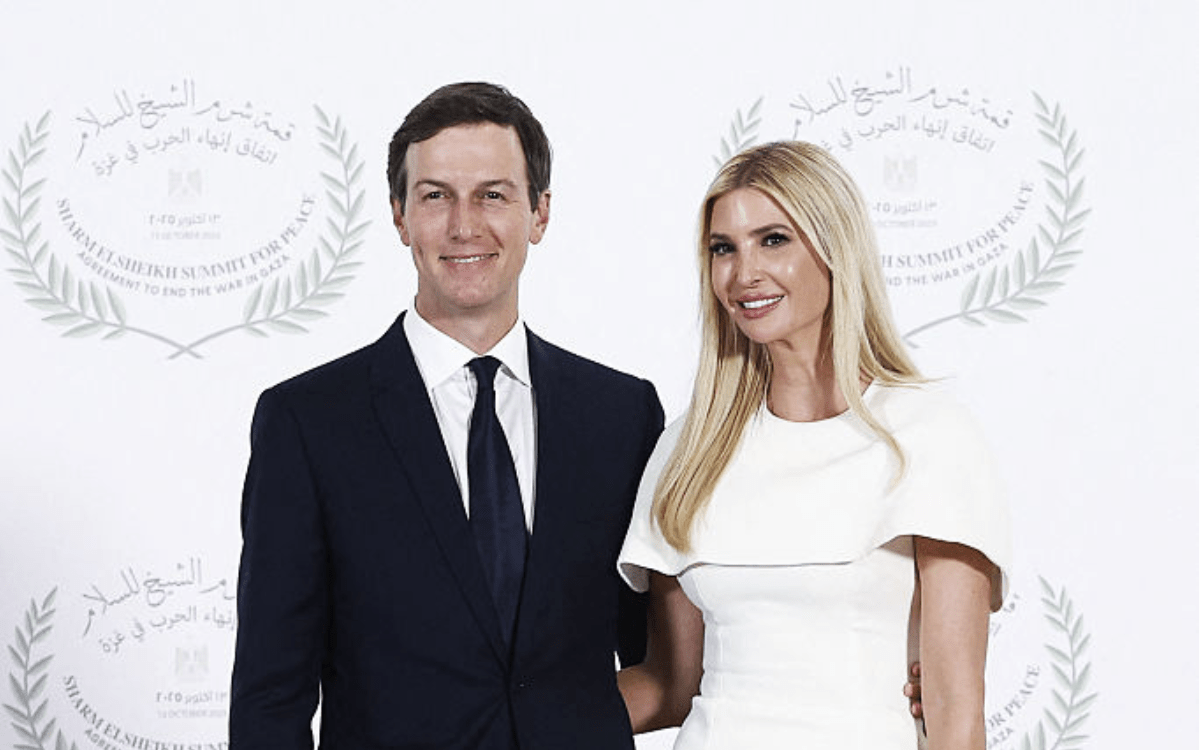
Jared Kushner, President Donald Trump’s son-in-law, found himself in uncharted territory on Sunday, engaging with the leader of Hamas, Khalil al-Hayya. This meeting was part of a broader effort to revive the stagnant Gaza peace talks. Kushner’s tour of the Middle East aimed to bolster negotiations, which included a meeting with Israeli Prime Minister Benjamin Netanyahu.
Alongside these efforts, the 60-day negotiation window with Iran was closing. Despite once hopeful prospects, Washington and Tehran remained at odds. No progress was made on Iran’s nuclear program or the strategic Strait of Hormuz.
Kushner has a reputation as an effective negotiator, a theory tested by these impasses. Throughout Trump’s presidencies, Kushner orchestrated several high-profile agreements, although the strategy of using such influential negotiators has limitations.
The Complexity of Diplomatic Negotiations
Kushner’s global diplomatic role often draws criticism for nepotism. However, his track record suggests practical results. A notable achievement was his role in the United States-Mexico-Canada Agreement (USMCA), replacing NAFTA. This earned him Mexico’s highest honor for a foreign national.
In another diplomatic victory, Kushner was crucial in the Abraham Accords, establishing relations between Israel and several Arab states. Trump heralded this as a significant triumph of his administration, largely attributing the success to Kushner.
Upon Trump’s departure, Kushner left politics but later returned during Trump’s second term to mediate in the Gaza conflict. His negotiations with Hamas were instrumental in reaching a ceasefire.
Diplomacy Driven by Special Envoys
Worldwide, leadership often employs special envoys to achieve results beyond the scope of regular diplomacy. A 2018 study in The Hague Journal of Diplomacy highlighted the advantage of special envoys: their flexibility and the direct clout they possess due to their close ties with appointing leaders.
However, for these envoys to succeed consistently, they need substantial diplomatic support. Under Trump, this support faltered. Nearly half of American ambassadorial positions were vacant, and the State Department experienced significant reductions in personnel.
Nations central to global conflicts, such as Russia, Ukraine, and Iran, lacked dedicated U.S. ambassadors. This situation reflects a larger problem in maintaining foreign relations without comprehensive diplomatic infrastructure.
The Balance Between Envoys and Diplomats
Envoys have been effective in historical contexts when combined with robust diplomatic efforts. George Mitchell and Richard Holbrooke, for example, navigated complex negotiations with comprehensive teams supporting them.
Kushner’s success often stemmed from situations where mutual benefits encouraged cooperation. However, conflicts like those in Gaza, Iran, and Ukraine present profound divisions among parties, where traditional diplomacy is crucial.
A survey by AFSA showed that 86% of U.S. Foreign Service members felt changes since January 2025 impeded their mission, with 98% citing poor morale. This feedback underscores the risks of relying on a select few negotiators while undermining the broader diplomatic workforce.
Kushner excels at bringing adversaries together, potentially securing agreements. However, diplomats are essential for sustaining these agreements and ensuring their long-term viability.