
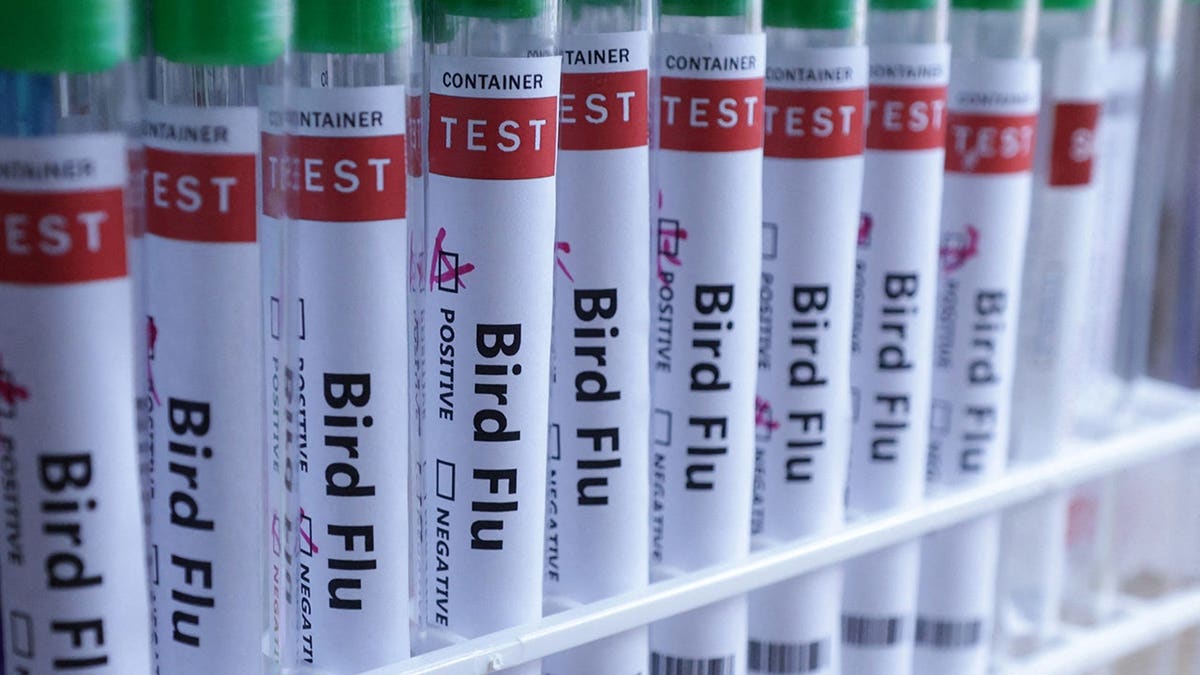
The H5N1 bird flu has now reached every continent, with Australia confirming its first case. The virus was detected in a brown skua, a seabird, near Esperance in Cape Le Grand National Park, Western Australia.
The Australian Department of Agriculture, Fisheries and Forestry is working with the Department of Primary Industries and Regional Development to mitigate the effects of this disease. A coordinated national plan involves various stakeholders across Western Australia.
In the United States, the bird flu outbreak has caused significant impacts, resulting in millions of bird deaths and subsequent grocery store hikes and shortages, particularly affecting egg supplies.
“We all knew we couldn’t be bird flu-free forever,” said Julie Collins, Australia’s federal Agricultural Secretary, during a recent press conference.
Western Australia’s agricultural minister, Jackie Jarvis, highlighted the effectiveness of early detection systems. The infected bird was isolated quickly, and samples were taken for testing.
Extensive surveillance efforts have confirmed the strain as consistent with bird flu seen in remote Australian territories such as Heard Island and McDonald Islands where wildlife suffered significantly. Last year, around 13,000 elephant seal pups, from a population of 17,000, died due to the outbreak there.
Despite the confirmed case, Jarvis emphasized no detections in poultry on the mainland. There is no evidence of mass mortality among birds there. Further investigations are ongoing for a second suspected case in another migratory bird near Esperance.