
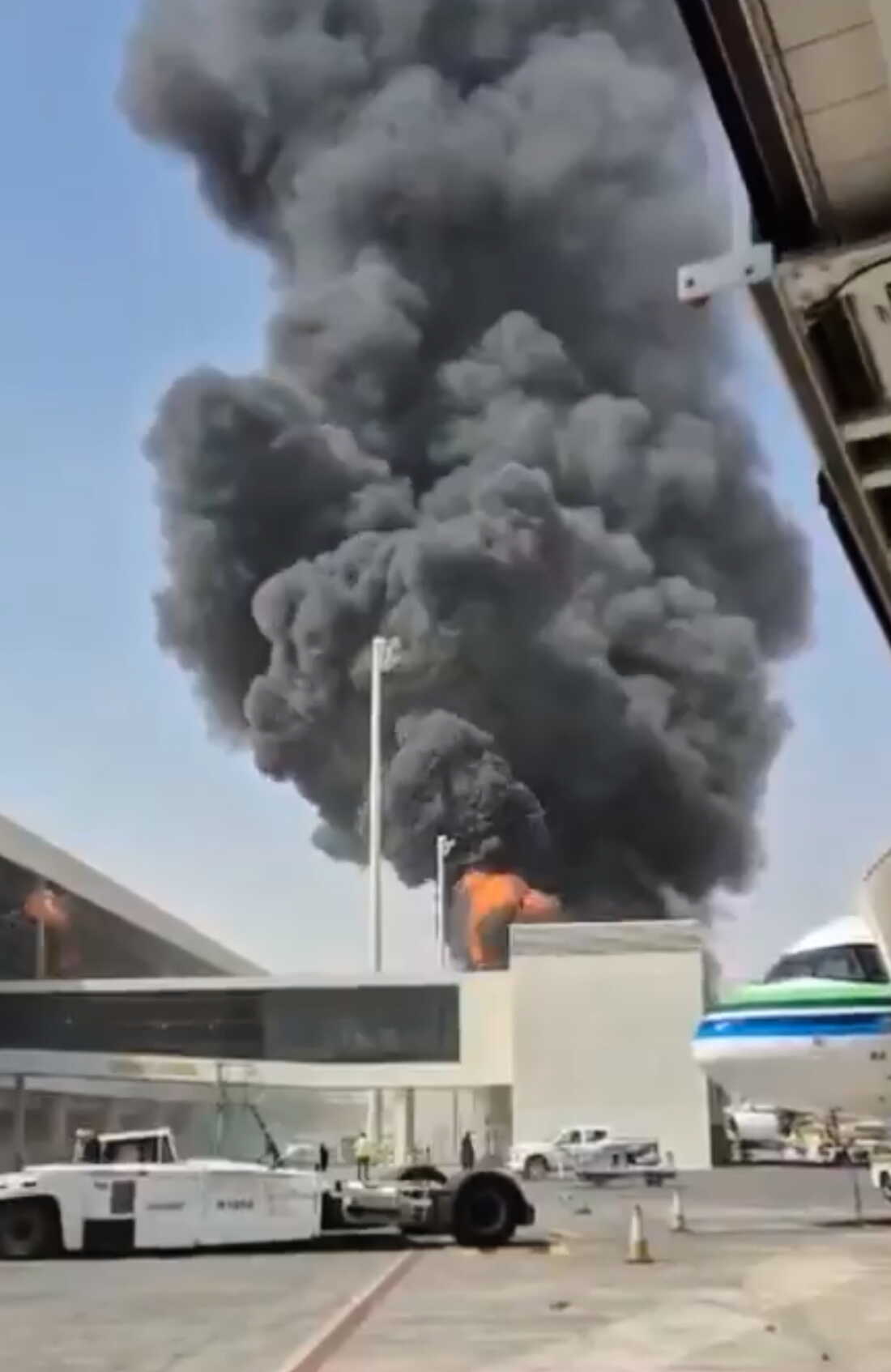
An attack on King Khalid International Airport in Riyadh, Saudi Arabia, has resulted in the deaths of 12 individuals and injuries to over 300 others, according to civil aviation authorities. Of the deceased, four were Saudi citizens and the others included nationals from Bangladesh, Palestine, the United States, Egypt, Jordan, Syria, and Sudan. Many of the injured remain in critical condition and are receiving treatment across various hospitals.
This incident is part of a recent surge in attacks targeting the airport and other facilities in Saudi Arabia, occurring after the Saudi-led coalition initiated a significant military campaign against the Iran-backed Houthi rebels in Yemen. President Donald Trump announced he was considering whether the United States should provide military assistance to Saudi Arabia following this attack. “We may. We’re going to look at it,” Trump stated, emphasizing the need for a swift decision.
A missile hit terminals 3 and 4 at the Riyadh airport complex, mainly used for domestic flights. Anonymous regional officials, who weren’t authorized to speak publicly, confirmed the missile strike. In response, the airport suspended its operations through midnight, as per an official notice to aviators. Security was heightened with blocked entrances, dimmed lights, and flights being redirected, informed Flightradar24 tracker.
Various nations, including the United States, Germany, and Canada, have advised their citizens to avoid the airport, later offering condolences. The Saudi-led coalition also reported an additional projectile landing near King Fahd International Airport in Dammam and the interception of a Houthi-launched ballistic missile in Al-Kharj.
The ongoing attacks have destabilized markets and the region. Despite the turmoil, the Saudi Energy Ministry continued promoting a significant international energy conference set in Riyadh. The Houthi attacks, aimed at Saudi shipping, reflect retaliatory measures against a blockade imposed by Saudi Arabia and have previously targeted other shipping routes, further intensifying tensions.
Saudi Arabia faces a shortage of missile interceptors and has sought air defense support from allies like France and the UK. Concurrently, U.S. assistance through intelligence and strategic support has been invaluable in the recent offensives. Diplomatic de-escalation remains a priority, highlighted by discussions between Saudi and Omani foreign ministers.
Flight disruptions have expanded, with airlines like Air India and Lufthansa suspending operations in Saudi airspace due to Houthi threats and attacks. The European Union Aviation Safety Agency has warned about the increased risk posed to civil aviation by these military activities. Recently, Houthi strikes damaged several planes at Riyadh airport, underscoring the ongoing threat.
Saudi authorities have cautioned against disseminating information on missile impacts, highlighting legal consequences. Contributors to this report included Anna from Jerusalem and AP writers Victoria Eastwood, Collin Binkley, and Sally Abou AlJoud.