
Following the recent Los Angeles mayoral primary election, social media platforms were inundated with conspiracy theories about Spencer Pratt’s exit from the race. Some users falsely claimed that he received no votes on election night, a claim swiftly debunked by the U.S. attorney’s office. Another rumor circulating is that votes from homeless individuals were fraudulently cast against Pratt, despite a lack of evidence to support such allegations.
Claims Without Proof
On platforms like TikTok, users have shared videos with persons identified as Skid Row residents who allegedly received small payments to vote for Mayor Karen Bass. Bass, the current mayor, advanced to the runoff along with Councilmember Nithya Raman, with Pratt trailing in third as more votes were tallied.
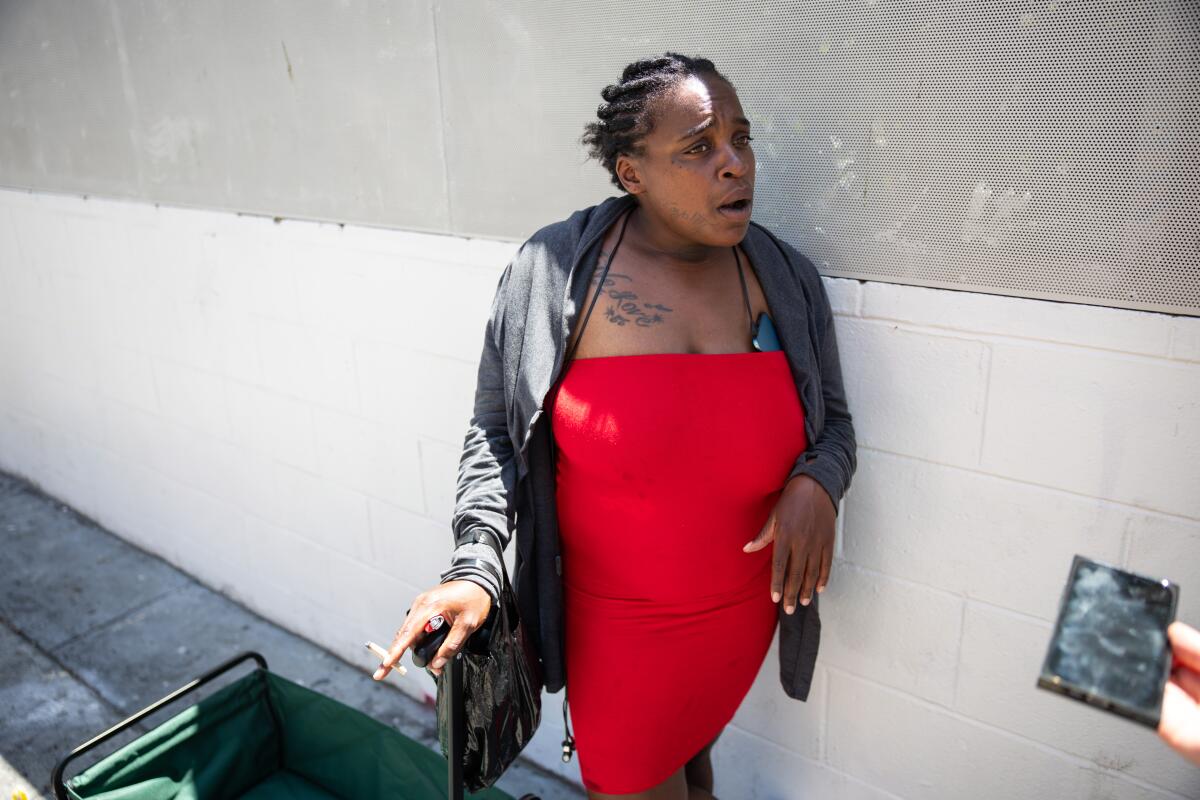
In one video, a woman stated she was paid five dollars to vote for Bass. However, Los Angeles County election officials quickly clarified on social media that there was no evidence supporting this claim. They pointed out that the woman mentioned resides and is registered to vote in Inglewood, not Los Angeles.
A spokesperson for Bass’s campaign repudiated the idea of vote-buying, likening it to misinformation spread in previous presidential elections.
On-the-Ground Verification
Journalists from the Los Angeles Times visited the area from the videos but couldn’t locate the individuals featured. Experts assert that even if such isolated incidents occurred, they would not suffice to impact the election given that over 750,000 votes were cast.
Christopher R. Hallenbrook, a political science professor, emphasized that any minor voting irregularities could hardly be significant enough to alter the election’s result. Rick Hasen, a law professor, backed this view, arguing that the scale and cost of such a conspiracy would be impractical.
The absence of strong Republican representation in Los Angeles, a predominantly Democrat city, was cited as a more plausible reason for Pratt’s position in the race.
Interviews with Skid Row Residents
Times reporters spoke to twenty Skid Row residents about the election. Many said they had not voted or were approached about voting. No one reported knowing of any monetary offers to vote, aligning with expert assessments on the improbability of voter fraud.
Instances of Signature Collection
Reports emerged of individuals on Skid Row being paid small amounts to sign ballot petitions, with some admitting to signing multiple signatures for additional pay. This practice resulted in legal action and fueled further allegations of fraud.
Election Security Measures
The L.A. County Registrar-Recorder/County Clerk affirmed that voter registration undergoes rigorous checks against postal service records to prevent fraud. They explained the procedures around mail-in ballots and signature verifications, ensuring that fraudulent activities are unlikely to impact election integrity.
Responses to Conservative Media Claims
Conservative personality Benny Johnson alleged that the election was rigged using a so-called “homeless industrial complex.” However, these claims lack substantiation. Maps he cited were preliminary and misinterpreted, as Bass received more votes in areas like Skid Row compared to Raman.
Spencer Pratt suggested votes from homeless individuals might have bridged the gap between him and his opponents. Meanwhile, legal actions against faulty voter registrations continue, as investigations remain a priority.
Homeless Voter Registration Context
The California secretary of state allows the homeless to register with the location where they spend most of their time. Service providers often serve as mailing addresses for homeless voters to receive ballots. Rick Hasen highlighted efforts to involve homeless in voting as beneficial.
Mike Sanchez from the county recorder’s office advised caution when equating shelter facilities with voter records. He emphasized that unhoused individuals retain an equal right to participate in elections.