
Dr. Marc Siegel highlights the Core Smart Ring from ACTXA, a novel AI wearable that offers non-invasive glucose monitoring. This technology utilizes machine learning to track blood flow and pulse, identifying elevated blood sugar levels. This development is crucial as the number of diabetes cases globally has nearly quadrupled since 2000. Dr. Siegel stresses the importance of integrating lifestyle changes with such technological advancements for enhanced diabetes care.
Another significant player in the AI wearable field is Lingverse, a company from Singapore. Lingverse has raised $29 million to create an AI device named iKairos, marketed as a personal AI guardian. This device aims to assist users by predicting their needs before they arise.
iKairos: The AI Guardian
The iKairos device can monitor surroundings or turn its attention to the wearer, providing the AI with contextual insights. This dual perspective could make the AI more effective in daily scenarios. However, the personal nature of this monitoring prompts concerns about privacy, consent, and convenience.
“iKairos introduces a personal AI trade-off by requiring close observation to offer useful assistance,” says a Lingverse representative.
Privacy and Data Handling
Lingverse states that iKairos takes still images rather than video, discarding them post-analysis. This limits the creation of any stored image library. The device captures voice data only upon detecting human voices, and not continuously. Data is captured on the device but analyzed in the cloud. Lingverse emphasizes user consent in data transfer, and promises encryption during storage and transmission.
Physical controls provide further privacy assurances. A shutter can cover the camera, and a silent mode can deactivate the listening feature. Users have the option to manage data retention, including deleting specific items or clearing all data by closing their account.
Inspired by Past Innovations
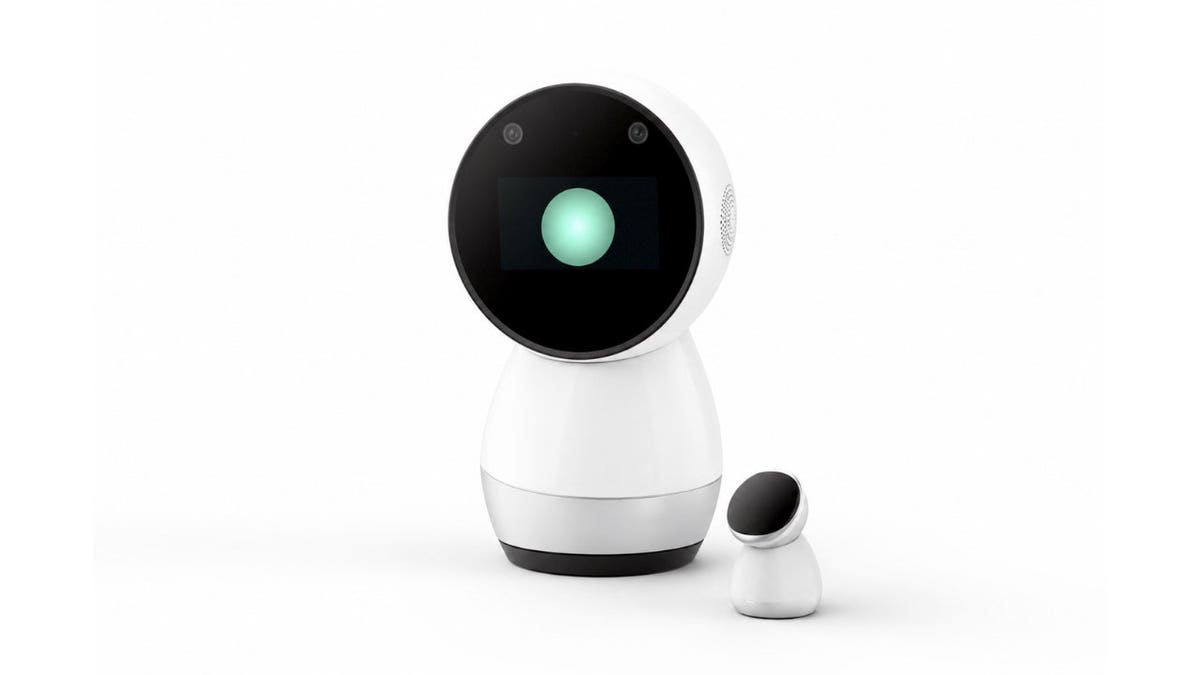
The concept for iKairos draws from experiences with earlier technology, notably the Jibo home robot. Jibo, renowned for its expressive design, was ultimately limited by its stationary nature. Lingverse aims to overcome this limitation with added mobility in iKairos, while maintaining engaging features.
Lingverse’s founder, formerly involved with Jibo, brings experience from Microsoft Research and Baidu. His previous work includes the Luka Reading Robot, which sold millions of units, showcasing a successful application of AI in daily life.
Release and Pricing Information
iKairos preorders start in the third quarter of 2026 at ikairos.world. Devices will ship within 90 days post-order. Exact pricing is yet to be announced, but Lingverse suggests a mix of free core features and subscription-based advanced features.
Anticipating user needs without consistently recording interactions represents a crucial advancement in AI wearables. Privacy controls alongside these innovations promise a balanced user experience. Yet, the effectiveness of iKairos will only be clear post-launch.