
Shark Safety Advancements
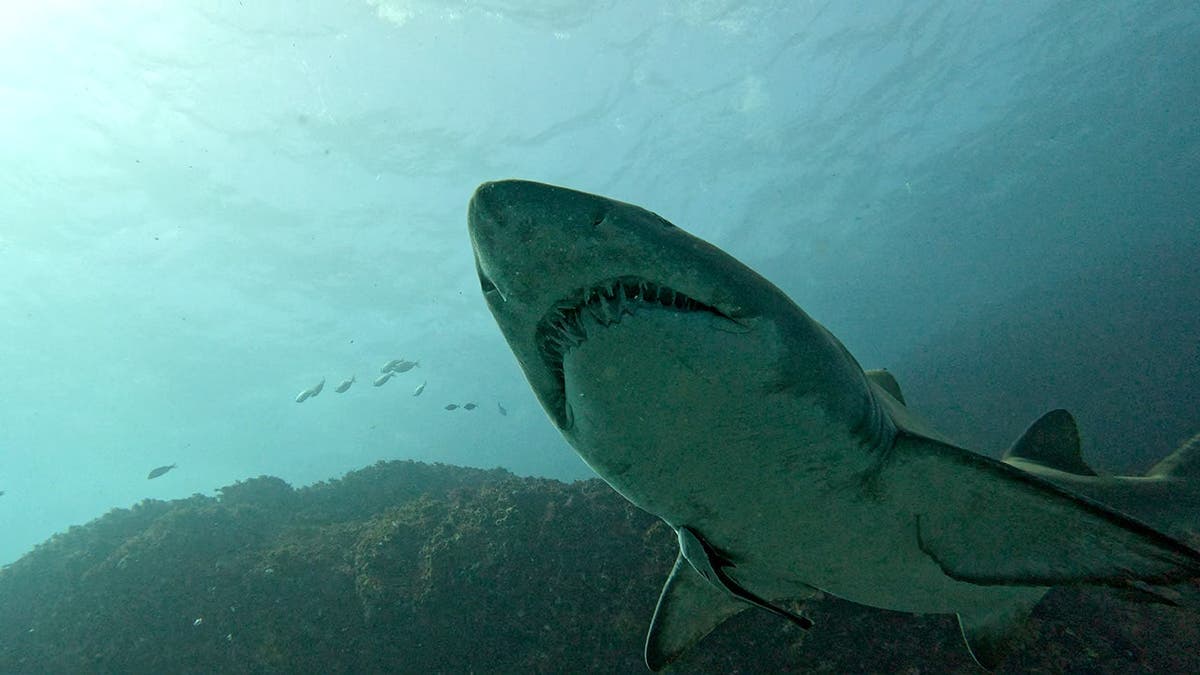
Shark researcher Jesse Watters discussed shark attacks with Chris Fischer, founder of OCEARCH, due to an early increase in shark incidents this summer. Some events include a swimmer bitten in Queens, a New York beach closure, and a child bitten in Florida. Fischer pointed out a recovery in shark numbers to levels from the 1960s and encouraged individuals to avoid swimming near active bait fish to minimize risks.
Preparing for 2028 Olympics
The 2028 Los Angeles Olympics will host elite athletes, including events near the ocean. California State University Long Beach is working on a solar-powered shark-surveillance robot to protect these athletes and visitors. The robot will monitor coastal areas, detecting tagged sharks, gathering water samples, and using aerial drones to provide lifeguards with real-time updates.
If people are alerted to a shark attack near them, they’re less likely to be bitten.—Chris Lowe, Shark Lab Director
Measuring around 10 feet in length and as broad as a paddleboard, the vessel offers substantial patrol capabilities. It aims to cover designated beaches for up to a week. It will play a crucial role when swimming and surfing events happen along Southern California’s coast during the Olympics.
Operational Expectations and Future Plans
The surveillance technology will ensure lifeguards receive detailed shark activity data, enabling more informed decisions regarding water safety. Not every shark presence will trigger an alarm but will ensure a nuanced response to potential threats.
The Shark Lab has tagged numerous juvenile white sharks, using drones and listening stations for tracking. The new vessel integrates these methods, enhancing monitoring efforts. Although operational challenges remain, the initiative is progressing well.
Funding concerns present hurdles as state funding may soon lapse, impacting future tagging and project development. Yet, the intention is for the technology to remain active beyond the 2028 Olympic deadline.