
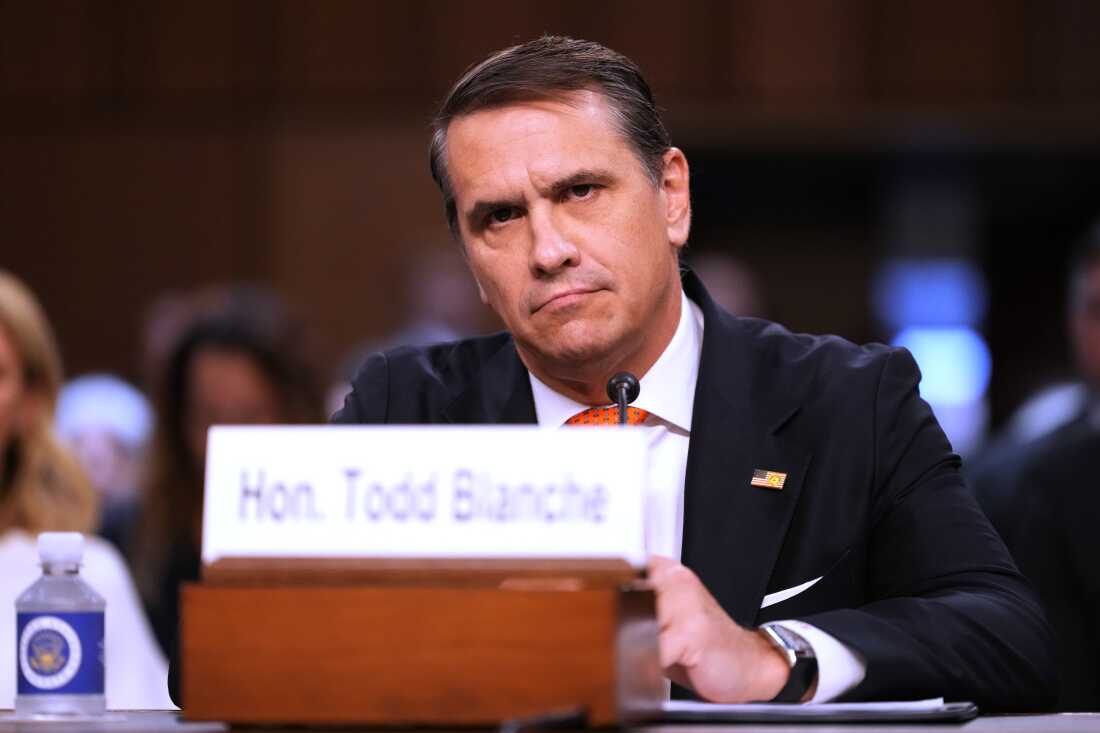
Acting Attorney General Todd Blanche appeared before the Senate Judiciary Committee on July 15, 2026, in Washington. This appearance follows his decision to terminate the controversial $1.8 billion ‘anti-weaponization fund’ established to compensate allies of former President Donald Trump.
The fund’s termination comes after intense negotiations with Republican Senators John Cornyn and Thom Tillis, who had been delaying Blanche’s nomination as attorney general. Cornyn confirmed the agreement reached just before Blanche’s confirmation vote in the Senate Judiciary Committee, though Tillis did not comment immediately.
Backdrop of the Fund’s Termination
Blanche stated in a June hearing that the fund would not continue due to bipartisan concerns. Critics worried the fund might benefit violent rioters from the January 6, 2021, Capitol attack. Cornyn and Tillis sought written assurances before endorsing Blanche’s nomination. Trump previously expressed support for the fund.
In a statement, Blanche highlighted the discussions with senators, describing them as “good faith.” His statement read, “My team and I have met with committee members and Senators over the past several weeks and addressed any concerns or outstanding questions.”
Justice Department’s Official Order
The Justice Department issued a statement confirming the termination of the fund. Despite prior communications and courtroom assurances, the order officially rescinds the May 18, 2026 directive. Since a lawsuit against the IRS was settled, no members were appointed, no funds were transferred, and no claims were processed or paid.
The order also defines the limits of an associated provision granting tax audit immunity to Trump and his family. The immunity applies retroactively to claims existing at the time of the settlement but does not protect future tax filings.
Senators’ Concerns and Political Context
Senator Cornyn, who recently lost reelection after Trump’s primary opposition endorsement, and retiring Senator Tillis, blocked Blanche’s nomination amidst GOP criticism of the fund. Postponements ensued as both senators demanded more concessions from the administration.
The senators noted interest from the Justice Department in reaching an agreement, but the White House held firm on its stance, even for Blanche, a former personal attorney to Trump, now acting attorney general.
Cornyn remarked, “I think as far as Blanche and the Department of Justice, we were pretty much on the same page. But then when the president got wind of it, he wasn’t willing to go along with it.”
Trump’s Position and Ongoing Legal Battles
While negotiations took place, Trump consistently advocated for continuing the fund. He threatened to reconsider Blanche’s nomination post-Senators Cornyn and Tillis leaving office next year if the resolution was unsatisfactory.
In a social media statement, Trump expressed empathy for those affected by the January 6 charges, describing the fund as a reimbursement for their hardships.
Meanwhile, Trump’s legal team plans to appeal a ruling on the settlement with the IRS, which a judge criticized as self-serving. The judge questioned Blanche’s involvement due to his previous legal ties to Trump, though Blanche denied any wrongdoing.
The Justice Department, maintaining that the court’s insistence on formal declarations regarding the fund’s discontinuation was excessive, defended its position on the matter.