
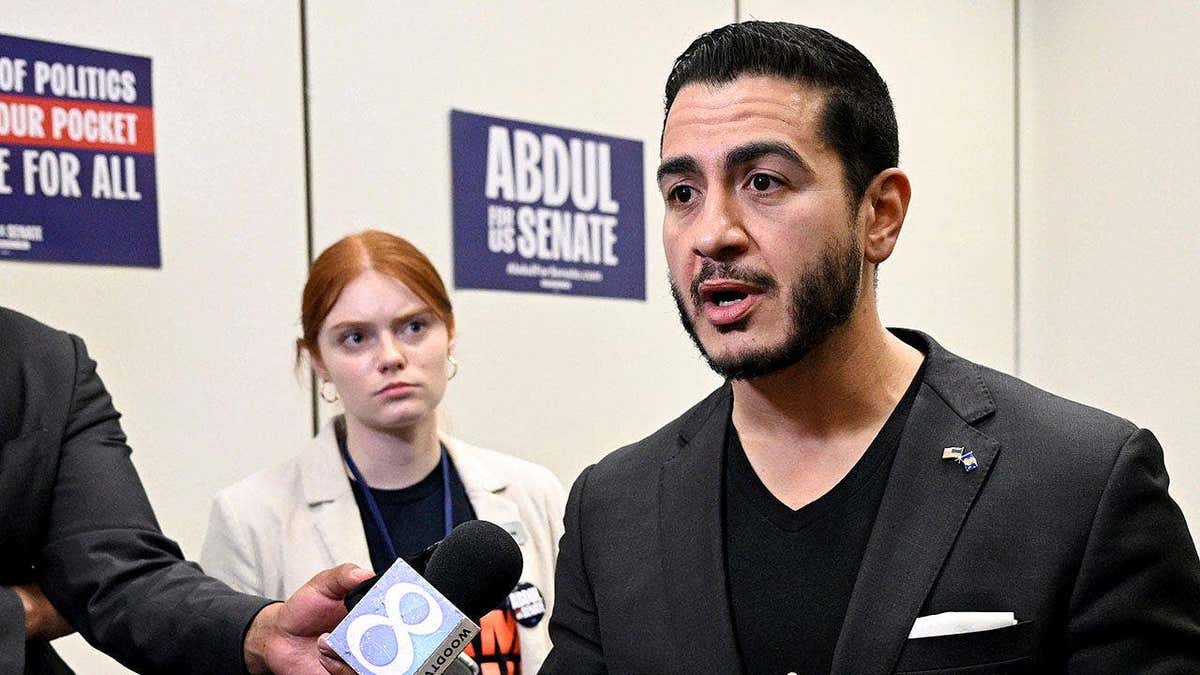
Abdul El-Sayed, a Democratic candidate for the U.S. Senate from Michigan, insists that the government should not limit sex changes. He argues that medical professionals like himself should determine the appropriate treatment plans for patients. El-Sayed shared these views at a rally at Michigan State University in response to a question on protecting sex changes.
El-Sayed highlights his background as a physician, aiming to become the first Democratic doctor in the Senate in 50 years, although he never held a medical license in Michigan or New York. He stated, ‘I went to medical school, completed residency, and some of my peers pursued fellowships. They took exams to provide healthcare.’
He stresses that experts are who patients prefer, emphasizing, ‘Healthcare decisions should remain between a patient and their doctor, especially for those under 18.’
The Trump administration has restricted minors’ access to procedures like hormone therapy and surgeries. A recent decision by the Justice Department resulted in hospitals halting such procedures for children.
El-Sayed promotes ‘Medicare for All’ but insists government should not interfere in doctor-patient discussions on treatment plans. ‘Healthcare decisions should not involve government input on who gets what care,’ he states. This viewpoint aligns with the Right to Try Act, which allows terminally ill patients to try certain experimental drugs.
‘Healthcare decisions should be between a patient and their provider,’El-Sayed asserts.
He also points out disinformation regarding reproductive rights and healthcare for transgender individuals. ‘The clinical room is where the core decisions happen, not external influences,’ he comments.
Research on gender dysphoria treatments with hormones is limited. The Federal Trade Commission has sued the World Professional Association for Transgender Health, claiming misleading guidelines. Allegations include failing to disclose side effects such as incontinence and mood disturbances from procedures.
Some countries with socialized medicine, like England, have limited access to hormones for minors based on weak research. The National Health Service paused hormone treatments for 16- and 17-year-olds in March.
El-Sayed’s office did not immediately comment on his medical qualifications. Elaine Mallon covers national politics for Fox News Digital and Fox Business.