
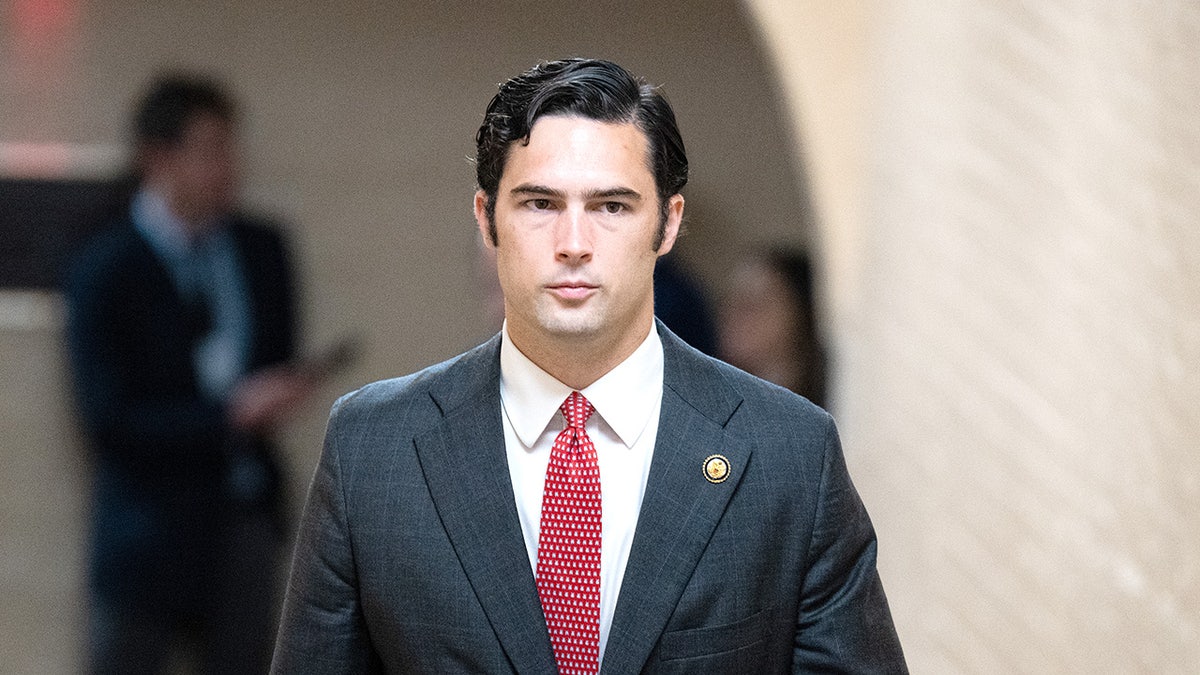
Rep. Brandon Gill, R-Texas, put American Bar Association (ABA) President Michelle A. Behnke under intense questioning about the ABA’s diversity principles, particularly their impact on judicial appointments and legal education.
During a House Oversight Committee Task Force hearing, the focus was on the ABA’s role in law school accreditation and its support of diversity, equity, and inclusion (DEI) policies. Republicans, led by Gill, expressed concerns that the ABA’s power in accrediting law schools pressures them to implement race-conscious admissions and mandatory DEI learning. Gill labeled DEI as an ideology that causes discrimination and undermines merit-based opportunities.
In a pointed exchange, Gill pressed Behnke on whether the ABA’s stance on judicial diversity would support rejecting a Black Supreme Court nominee. Behnke reiterated the ABA’s belief in diversity’s importance but refrained from a yes-or-no response to Gill’s queries.
Gill further questioned the need for the Supreme Court to reflect America’s racial demographics. Behnke stood firm that while diversity is crucial, the ABA does not endorse racial quotas.
“The ABA believes that diversity in all of its forms is important,” Behnke stated.
Gill pointed out that two of the nine Supreme Court justices are Black, and asked if this supported rejecting another Black nominee based on race. Behnke consistently denied supporting quotas.
The discourse also covered President Biden’s pledge to nominate a Black woman to the Supreme Court, questioning whether race influenced Justice Ketanji Brown Jackson’s nomination. Behnke responded that the ABA disapproves of discrimination, though she did not comment specifically on Biden’s selection criteria.
Gill contended that the ABA uses its accreditation influence more extensively than it admits, impacting legal education standards. The ABA argues that accreditation decisions are independently managed.
Throughout her testimony, Behnke defended the ABA’s diversity stance, claiming it enhances the legal profession. She stressed that diverse teams contribute to solving client issues effectively by incorporating varied experiences.
Recent legislative moves in states such as Texas, Florida, Alabama, and Tennessee aim to explore alternatives to ABA accreditation for bar exam eligibility.
Elaine Mallon reports for Fox News Digital on national politics.