
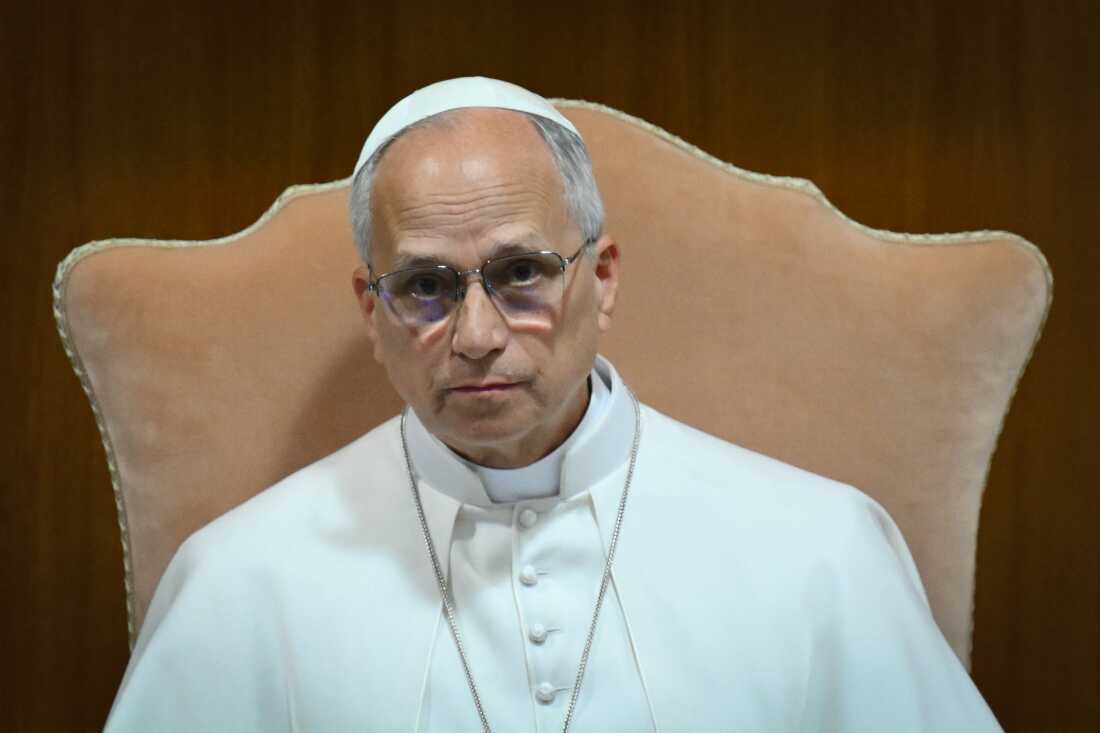
Pope Leo XIV presented his first Encyclical Letter, titled Magnifica Humanitas or Magnificent Humanity, on May 25, 2026. The event took place at The Vatican. This letter addresses the rapid growth of artificial intelligence, drawing a parallel with the biblical Tower of Babel story, where human pride received divine punishment.
While Pope Leo acknowledges AI’s potential benefits in fields like medicine, research, and education, he emphasizes the need for caution. He stresses, ‘Artificial intelligence needs to be disarmed.’ The Pope chose this strong language to capture attention and provoke thought on the future paths for humanity.
The encyclical, extensive in scope, examines the impact of AI on employment. Pope Leo expresses concern for those who lose jobs to AI, highlighting that work provides individuals with a sense of purpose. He writes, ‘Work is not simply an instrument. The pursuit of greater profits cannot justify choices that systematically sacrifice jobs. The economic order must remain subordinate to human dignity and the common good.’
Additionally, Pope Leo discusses the limitations of AI compared to human experience. Despite AI’s ability to gather vast amounts of data, it lacks the emotional and spiritual understanding that humans gain from life experiences such as joy, loss, and human connection. He notes that AI can imitate communication and even simulate empathy, but it does not truly understand, as it lacks the affective and relational perspective that helps humans grow in wisdom through their choices and mistakes.
AI chatbots can mimic human expressions and offer advice, empathy, and friendship. However, Pope Leo cautions about the illusion of relationships they can create, which can be misleading. This vulnerability could affect those feeling lonely or anxious.
The encyclical challenges readers to consider whether AI will enhance not only global economies but also the broader scope of humanity.