
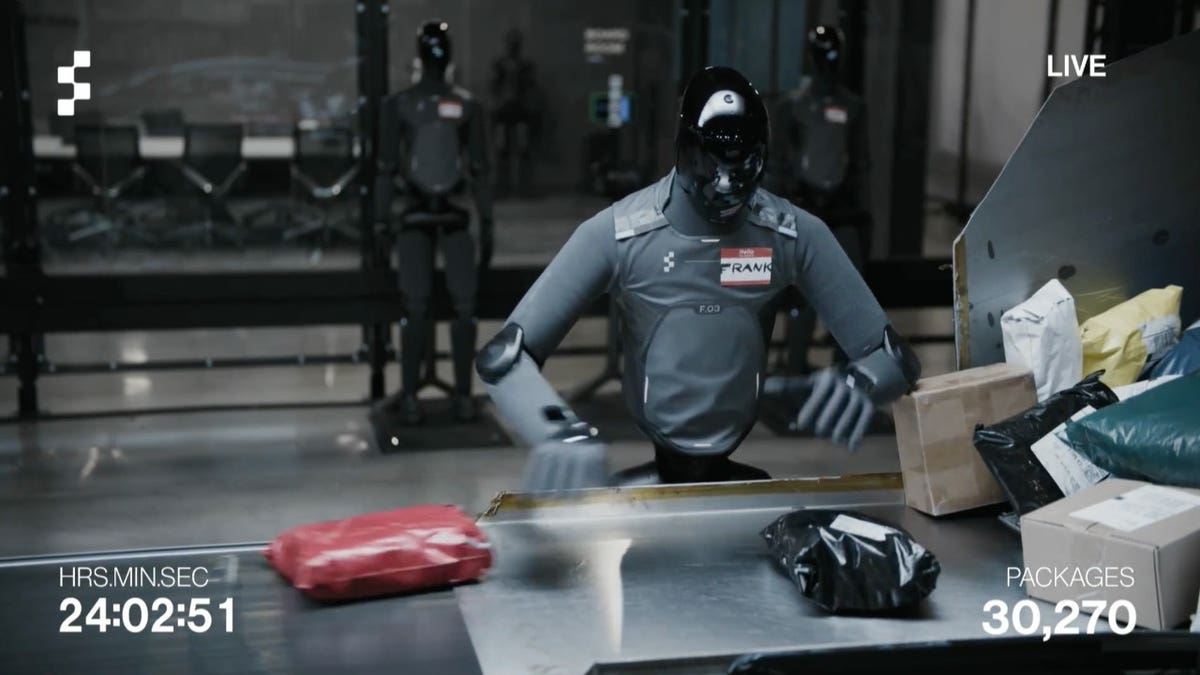
Figure AI, a California-based robotics startup, has announced a significant achievement in autonomous robotics. Three of its humanoid robots, named Bob, Frank, and Gary, successfully completed over 24 hours of continuous autonomous operation during a livestream event. Initially planned as an eight-hour test, the robots sorted small packages without human intervention, showcasing Figure AI’s technological capabilities.
24-Hour Performance in Package Sorting
The robots performed a seemingly simple task. Each robot picked up small packages, identified barcodes, and placed the packages onto a conveyor belt with precision. This process required steady movement and quick decision-making, akin to the responsibilities of human warehouse workers. During the test, the robots sorted over 28,000 packages at speeds comparable to human workers. Figure AI’s CEO Brett Adcock noted that the robots completed the original eight-hour objective without failure, prompting the extension of the test duration.
The Helix-02 AI System
Figure AI’s robots operate using their proprietary Helix-02 system. This artificial intelligence combines vision, touch, body awareness, and movement control, enabling the robots to perform complex tasks autonomously. Unlike traditional systems, Helix-02 allows these humanoid robots to balance, grip packages, and adapt to unexpected positions. Onboard cameras and AI reasoning enable the robots to detect and sort packages without human remote control, underscoring their autonomous capabilities.
The livestream event was a public demonstration of Figure AI’s autonomous robotics in action, attracting considerable interest.
Human Touch in Livestream
The livestream provided viewers with real-time insight into the robots’ work, making the test engaging as it progressed beyond its initial scope. As viewers assigned names to the robots, Figure AI embraced this interaction by adding visible name tags. This approach added a personal element to the technical demonstration, prompting reflection on the future implications of such automation.
Automatic Recovery and User Implications
One key feature of Figure AI’s robots is their ability to trigger automatic resets when encountering operational hurdles. This feature minimizes downtime and enhances usefulness. The technology also allows robots to leave the floor for maintenance autonomously, ensuring uninterrupted operations as another robot seamlessly takes over.
As companies like Tesla, Agility Robotics, and Apptronik join the race for humanoid warehouse robots, the impact of such technology is poised to shift from controlled industrial spaces to wider applications. Figure AI’s collaboration with BMW in South Carolina suggests that these robots could soon appear in manufacturing environments.
The Road Ahead
The recent Figure AI demonstration hints at where warehouse automation is heading. While the test showed the potential for robots in repetitive tasks, real-world operation will require further validation. Robust evidence is necessary to confirm endurance, minimal failure rates, and adaptability to chaotic environments.
While humanoid robots handling packages may seem distant from everyday life, the ripple effects could be profound. Faster sorting might lead to improved delivery times, altering overnight staffing in warehouses. Companies may embrace automation for repetitive tasks that are currently challenging to staff.
However, automation raises legitimate concerns about job security. Despite technological advances, human intervention remains crucial in solving unanticipated issues. Nevertheless, Figure AI’s test marks a transition from short demos to extensive trials, paving the way for greater adoption and integration of humanoid robots.
This development suggests that robots performing ordinary tasks without fanfare could be the hallmark of genuine automation advancements. If these robots can prove reliable and cost-effective, the warehouse environment may evolve significantly in the coming years.